1. Specifications Comparison
| Feature | Asus Zenfone 10 | Google Pixel 9 | Practical Impact |
|---|---|---|---|
| Design | |||
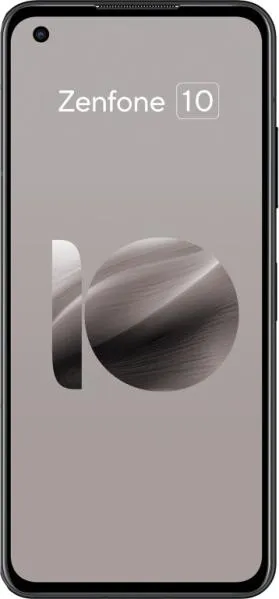
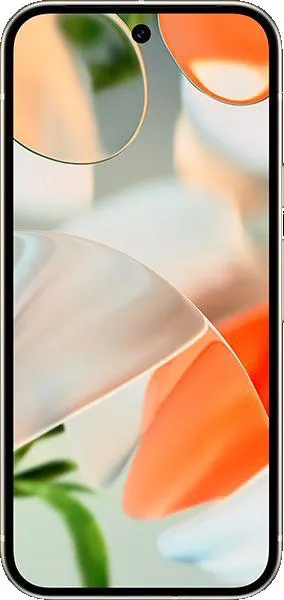
| Dimensions (mm) | 146.5 x 68.1 x 9.4 | 152.8 x 72 x 8.5 | Zenfone 10 is significantly smaller and more pocketable. Pixel 9 is taller and wider. |
| Weight (g) | 172 | 198 | Zenfone 10 is noticeably lighter, reducing hand fatigue during extended use. |
| Build Material | Missing | Missing | Material affects durability and premium feel; information needed for complete comparison. |
| Display | |||
| Size (inches) | 5.92 | 6.3 | Pixel 9 offers a larger screen for media consumption and multitasking, while Zenfone 10 prioritizes one-handed usability. |
| Resolution | 1080 x 2400 | 1080 x 2424 | Negligible difference in sharpness due to similar pixel density. |
| Refresh Rate (Hz) | 144 | 120 | Zenfone 10's higher refresh rate results in smoother animations and scrolling. Noticeable during gaming and fast-paced interactions. |
| Peak Brightness (nits) | 1100 | 2700 (Peak), 1800 (HBM) | Pixel 9's significantly higher peak brightness ensures better visibility in direct sunlight. |
| Display Type | AMOLED | OLED | Both offer excellent color reproduction and deep blacks. The practical difference is minimal for most users. Pixel 9's higher peak brightness is more impactful. |
| Performance | |||
| Chipset | Snapdragon 8 Gen 2 | Google Tensor G4 | Both are high-end chipsets, but Snapdragon 8 Gen 2 generally benchmarks higher in raw performance. Real-world difference might be minimal for average users but noticeable for demanding tasks like gaming. |
| CPU | Octa-core (1x3.2 GHz Cortex-X3 & ...) | Octa-core (1x3.1 GHz Cortex-X4 & ...) | Tensor G4 focuses on AI and machine learning optimizations, potentially offering advantages in specific tasks like voice recognition and image processing. Snapdragon 8 Gen 2 provides stronger general performance. |
| RAM (GB) | 8/16 | 12 | Pixel 9's larger RAM allows for better multitasking and app switching without reloading. |
| Camera | |||
| Main Camera (MP) | 50 (Sony IMX766) | 50 (Samsung GNK) | Both utilize high-quality sensors. Specific image quality differences would require real-world camera comparisons. |
| Ultrawide (MP) | 13 | 48 | Pixel 9's ultrawide offers higher resolution. Practical impact depends on lens quality and processing. |
| Selfie (MP) | 32 | 10.5 | Zenfone 10 boasts a significantly higher resolution selfie camera. |
| Video Capabilities | Up to 8K@24fps | Up to 4K@60fps | Zenfone 10 offers 8K video recording, while Pixel 9 maxes out at 4K. 8K might be appealing for future-proofing, but requires significant storage. Pixel 9 offers higher frame rates at 4K. |
| Battery | |||
| Capacity (mAh) | 4300 | 4700 | Pixel 9 has a larger battery, potentially translating to longer battery life. Real-world usage varies greatly. |
| Charging Speed | Missing | Missing | Charging speed significantly impacts usability; information is crucial for comparison. |
2. Key Differences Analysis
Asus Zenfone 10 Advantages:
- Compact Size and Lighter Weight: Significantly more pocketable and comfortable for one-handed use.
- Higher Refresh Rate Display: Smoother visuals for gaming and general UI navigation.
- Higher Resolution Selfie Camera: Better quality selfies and video calls.
- 8K Video Recording: Future-proofing and potential for higher detail in videos (though storage intensive).
Google Pixel 9 Advantages:
- Larger Display: More immersive experience for media consumption and multitasking.
- Higher Peak Brightness: Superior outdoor visibility.
- Larger RAM: Improved multitasking performance and reduced app reloading.
- Larger Battery: Potential for longer battery life.
- Tensor G4 with AI Focus: Potential benefits for AI-driven tasks and computational photography.
Trade-offs:
- Size vs. Usability: Zenfone 10 prioritizes one-handed usability with its compact size, sacrificing screen real estate. Pixel 9 offers a larger display but is less pocketable.
- Raw Performance vs. AI Optimization: Snapdragon 8 Gen 2 offers potentially higher general performance, while Tensor G4 focuses on AI and specific tasks.
3. User Profiles & Recommendations
Asus Zenfone 10: Ideal for users who prioritize a compact, one-handed phone with a smooth display and excellent selfie capabilities. Suitable for those who value portability and gaming performance.
Google Pixel 9: Best suited for users who prefer a larger display for media consumption and multitasking, value bright outdoor visibility, and rely on AI-powered features. Excellent for photography enthusiasts due to Google's computational photography prowess.
4. Decision Framework
Key Questions for Buyers:
- How important is one-handed usability and pocketability?
- Do you prioritize a larger display for media consumption and multitasking?
- What type of tasks do you primarily use your phone for (gaming, photography, general use)?
Scenario-Based Recommendations:
- For a frequent traveler or someone who prefers a compact phone: Zenfone 10
- For a heavy media consumer or multitasker: Pixel 9
- For a gamer who values smooth performance: Zenfone 10 (pending further gaming benchmark comparisons)
- For a photography enthusiast: Pixel 9
My Choice: Google Pixel 9
While I appreciate the Zenfone 10's compact form factor, the Pixel 9's larger display, brighter screen for outdoor use, larger battery, and the advantages of the Tensor G4 for AI tasks and computational photography are more compelling for my personal needs. The increased RAM on the Pixel 9 also aligns better with my multitasking usage. While the Zenfone 10 has a higher refresh rate screen, I find the brighter display and longer battery life more beneficial in my daily usage. I am also willing to trade a slightly larger size for these benefits.
