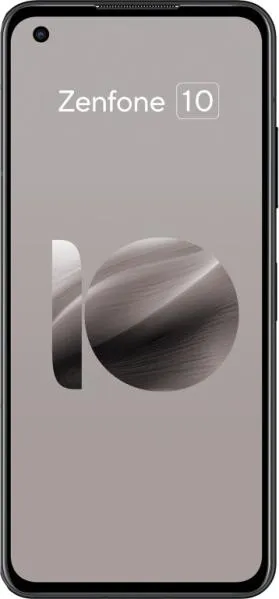
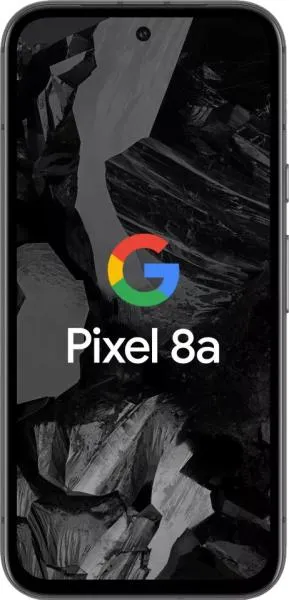
1. Specifications Comparison
| Feature | Asus Zenfone 10 | Google Pixel 8a | Practical Impact |
|---|---|---|---|
| Design | |||
| Dimensions (mm) | 146.5 x 68.1 x 9.4 | 152.1 x 72.7 x 8.9 | Zenfone 10 is noticeably smaller and more pocketable. Pixel 8a is taller and wider. |
| Weight (g) | 172 | 188 | Zenfone 10 is significantly lighter, reducing hand fatigue during extended use. |
| Build Material | Missing | Missing | Cannot compare build quality and durability. |
| Display | |||
| Size (inches) | 5.92 | 6.1 | Pixel 8a offers a slightly larger screen for media consumption. Zenfone 10 prioritizes one-handed usability. |
| Resolution | 1080 x 2400 | 1080 x 2400 | Both have the same sharp resolution, suitable for everyday tasks. |
| Panel Type | Super AMOLED | OLED | Both offer excellent contrast and vibrant colors. AMOLED generally consumes less power. Zenfone 10's Super AMOLED likely offers brighter highlights. |
| Refresh Rate (Hz) | 144 | 120 | Zenfone 10 provides smoother scrolling and animations due to the higher refresh rate. |
| Peak Brightness (nits) | 1100 | 2000 (peak) | Pixel 8a boasts much higher peak brightness, improving outdoor visibility significantly. |
| Performance | |||
| Chipset | Snapdragon 8 Gen 2 | Google Tensor G3 | Snapdragon 8 Gen 2 generally offers superior raw performance in benchmarks and demanding tasks. Tensor G3 is optimized for AI and machine learning tasks. |
| CPU | Octa-core (1x3.2 GHz Cortex-X3 & 2x2.8 GHz Cortex-A715 & 2x2.8 GHz Cortex-A710 & 3x2.0 GHz Cortex-A510) | Nona-core (1x3.0 GHz Cortex-X3 & 4x2.45 GHz Cortex-A715 & 4x2.15 GHz Cortex-A510) | While both have powerful CPUs, Snapdragon 8 Gen 2's higher clock speeds on the prime core could provide a slight edge in demanding applications. |
| GPU | Adreno 740 | Immortalis-G715s MC10 | Adreno 740 generally offers better gaming performance. Practical gaming differences may vary. |
| RAM (GB) | 8 | 8 | Both offer ample RAM for multitasking. |
| Camera | |||
| Main Camera (MP) | 50 (Sony IMX766) | 64 (Sony IMX787) | Pixel 8a has a higher resolution sensor, potentially capturing more detail. Sensor size and processing play a crucial role in overall image quality. |
| Ultrawide (MP) | 13 | 13 | Similar ultrawide resolution. Practical difference depends on lens quality and software processing. |
| Selfie (MP) | 32 | 13 | Zenfone 10 boasts a much higher resolution selfie camera. |
| Video | Up to 8K@24fps | Up to 4K@60fps | Zenfone 10 can record in higher resolution (8K), but 4K@60fps on Pixel 8a is likely more practical for most users. |
| Battery | |||
| Capacity (mAh) | 4300 | 4492 | Pixel 8a has a slightly larger battery capacity, potentially offering longer battery life. Real-world usage varies depending on factors like display brightness and refresh rate. |
| Charging Speed | Missing | Missing | Cannot compare charging speeds. |
2. Key Differences Analysis
Asus Zenfone 10 Advantages:
- Smaller and Lighter: Significantly more compact and easier to handle.
- Higher Refresh Rate Display: Smoother scrolling and animations.
- Higher Resolution Selfie Camera: Better for video calls and self-portraits.
- 8K Video Recording: Captures higher resolution video, though potentially at the cost of larger file sizes.
Google Pixel 8a Advantages:
- Brighter Display: Much better visibility in sunlight.
- Slightly Larger Battery: Potential for longer battery life.
- Google's Software and AI: Pixel phones benefit from Google's AI optimizations for camera processing, assistant features, and overall user experience.
- Longer Software Support: Pixel phones typically receive more OS updates and security patches. Zenfone 10 is guaranteed updates to Android 15, while the Pixel 8a will be supported until Android 21.
3. User Profiles & Recommendations
Zenfone 10: Users who prioritize a compact and lightweight phone with a smooth display and excellent one-handed usability. Ideal for those who value portability and prefer a smaller form factor.
Pixel 8a: Users who prioritize camera quality, software experience, long-term software updates, and a bright display for outdoor use. Those who heavily rely on Google services will also benefit.
4. Decision Framework
Key Questions for Buyers:
- How important is phone size and portability?
- What are your primary use cases (photography, gaming, social media)?
- How much do you value software updates and AI features?
Scenario-Based Recommendations:
- Heavy Traveler: Zenfone 10's compact size and lighter weight make it ideal for travel.
- Photography Enthusiast: Pixel 8a's camera and Google's image processing likely offer a better photography experience.
- Gamer: While both are powerful, Zenfone 10's Snapdragon 8 Gen 2 and higher refresh rate display might offer a slight edge in gaming.
My Choice: Google Pixel 8a
While I appreciate the Zenfone 10's compact size and smooth display, the Pixel 8a's significantly brighter display, longer software support, and Google's superior camera processing and AI integration are more compelling to me. The slightly larger battery is also a plus. I prioritize a great camera and a long-lasting software experience, making the Pixel 8a the better choice for my needs. The significantly higher peak brightness is crucial for outdoor readability. Although the Zenfone 10 offers a higher refresh rate, the difference between 120Hz and 144Hz is less noticeable than the dramatic improvement in brightness. While I appreciate the compact size of the Zenfone 10, I am willing to compromise on size for the overall better user experience offered by the Pixel 8a.
