1. Specifications Comparison
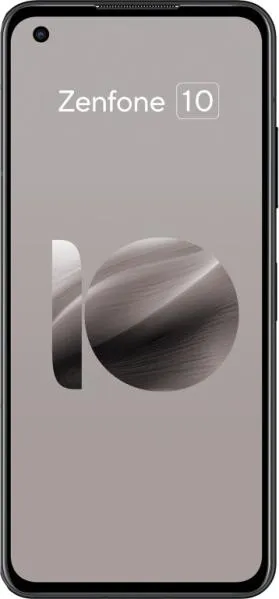
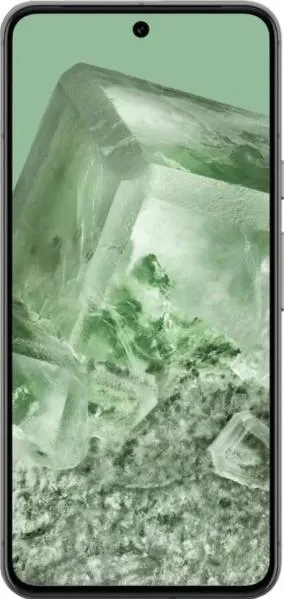
| Feature | Asus Zenfone 10 | Google Pixel 8 | Practical Impact |
|---|---|---|---|
| Design | |||
| Dimensions (mm) | 146.5 x 68.1 x 9.4 | 150.5 x 70.8 x 8.9 | Zenfone 10 is noticeably smaller and more pocketable. Pixel 8 is slightly thinner. |
| Weight (g) | 172 | 187 | Zenfone 10 is lighter and easier to hold for extended periods. |
| Build | Material specifications missing for both phones, limiting comparison. | ||
| Display | |||
| Size (inches) | 5.92 | 6.2 | Pixel 8 offers a larger screen for media consumption, but Zenfone 10's smaller size enhances one-handed usability. |
| Resolution (px) | 1080 x 2400 | 1080 x 2400 | Identical resolution, but Zenfone 10's smaller display results in a slightly higher pixel density (445 vs 428 ppi), potentially sharper text and images. |
| Refresh Rate (Hz) | 144 | 120 | Zenfone 10's higher refresh rate provides smoother scrolling and animations. |
| Peak Brightness (nits) | 1100 | 2000 | Pixel 8's significantly higher peak brightness ensures better outdoor visibility. |
| Display Type | Super AMOLED | OLED | Both offer excellent color and contrast. AMOLED generally consumes less power, especially with dark mode. |
| Performance | |||
| Chipset | Snapdragon 8 Gen 2 | Google Tensor G3 | Both are flagship chipsets, but benchmarks would be needed for definitive performance comparison. Snapdragon generally excels in gaming, while Tensor focuses on AI and machine learning tasks. |
| CPU | Octa-core (1x3.2 GHz Cortex-X3 & 2x2.8 GHz Cortex-A715 & 2x2.8 GHz Cortex-A710 & 3x2.0 GHz Cortex-A510) | Nona-core (1x3.0 GHz Cortex-X3 & 4x2.45 GHz Cortex-A715 & 4x2.15 GHz Cortex-A510) | Both are powerful CPUs, but architectural differences make direct comparison difficult without benchmarks. |
| GPU | Adreno 740 | Immortalis-G715s MC10 | Adreno 740 generally offers stronger gaming performance. Immortalis-G715 should be sufficient for most tasks, but direct comparison requires benchmarks. |
| RAM (GB) | 8 | 8 | Both have sufficient RAM for multitasking. |
| Camera | |||
| Main Camera (MP) | 50 (Sony IMX766) | 50 (Samsung GNV) | Different sensors; image quality comparisons require real-world testing. Pixel's larger pixel size (1.20 µm vs 1.00 µm) suggests better low-light performance. |
| Ultrawide (MP) | 13 | 12 | Minor difference in resolution. |
| Selfie (MP) | 32 | 10.8 | Zenfone 10 has a much higher resolution selfie camera. |
| Video | 8K@24fps, 4K@60fps | 4K@60fps, 1080p@240fps | Zenfone 10 offers 8K recording, but Pixel 8 offers higher frame rate slow-motion video (240fps vs 480fps at 1080p). |
| Battery | |||
| Capacity (mAh) | 4300 | 4575 | Pixel 8 has a slightly larger battery capacity, but real-world battery life depends on numerous factors. |
| Charging Speed | Not specified | Not specified | Charging speed comparison not possible due to missing data. |
2. Key Differences Analysis
Zenfone 10 Advantages:
- Smaller and Lighter: More pocketable and comfortable for one-handed use.
- Higher Refresh Rate Display: Smoother visuals.
- Higher Resolution Selfie Camera: Potentially better quality selfies.
- 8K Video Recording: Higher resolution video capture for detailed footage.
Pixel 8 Advantages:
- Larger Display: More immersive experience for media consumption.
- Brighter Display: Superior outdoor visibility.
- Potentially Better Low-Light Camera: Larger pixel size on the main sensor.
- Higher Frame Rate Slow-Motion: More dramatic slow-motion videos.
- Longer Software Support: Expected to receive updates for a longer period.
3. User Profiles & Recommendations
Zenfone 10: Users who prioritize a compact, one-handed phone with a smooth display and high-quality selfie camera. Ideal for those who value portability and gaming.
Pixel 8: Users who prefer a larger display for media consumption, value excellent camera quality, especially in low light, and prioritize longer software updates and Google's AI-powered features.
4. Decision Framework
Key Questions for Buyers:
- Do you prioritize one-handed usability and portability or a larger screen for media consumption?
- How important is camera quality, especially in low light, and software update longevity?
- What is your budget and how much weight do you place on factors like gaming performance vs. AI features?
My Choice: Google Pixel 8
While the Zenfone 10 offers a compelling compact design and smooth display, the Pixel 8's superior camera system, brighter display, longer software support, and the potential of the Tensor G3 chip for AI features make it the more appealing choice for me. I prioritize camera quality and software updates, and the Pixel 8's larger screen size is more suitable for my media consumption habits. The slightly larger size and weight are acceptable trade-offs for these benefits. I also value having the latest Android version and the promise of extended updates. While benchmark comparisons would provide more definitive data, the Pixel 8's overall package seems more well-rounded for my needs.
