1. Specifications Comparison
| Feature | Asus Zenfone 10 | Blackview A96 | Practical Impact |
|---|---|---|---|
| Design | |||
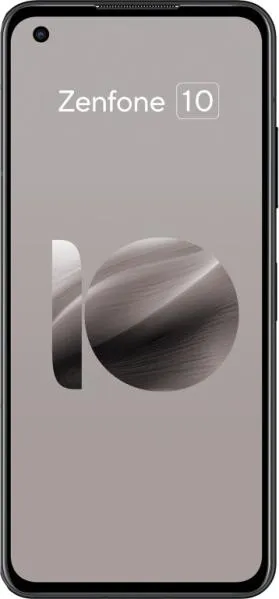
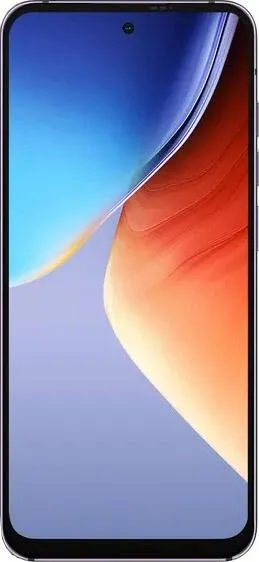
| Dimensions (mm) | 146.5 x 68.1 x 9.4 | 161.8 x 74.2 x 8.6 | Zenfone 10 is significantly smaller and more pocketable. A96 is larger, potentially less comfortable for one-handed use. |
| Weight (g) | 172 | 193.9 | Zenfone 10 is noticeably lighter, reducing hand fatigue during extended use. |
| Display | |||
| Size (inches) | 5.92 | 6.5 | A96 offers a larger screen for media consumption, but Zenfone 10's smaller size benefits one-handed usability. |
| Resolution (px) | 1080 x 2400 | 1080 x 2400 | Both have the same sharp resolution, suitable for everyday tasks. |
| Panel Type | Super AMOLED, 144Hz | IPS LCD, 120Hz | Zenfone 10's AMOLED provides deeper blacks, vibrant colors, and potentially better power efficiency. Its higher refresh rate results in smoother animations. |
| Peak Brightness (nits) | 1100 | Not specified | Zenfone 10's high peak brightness ensures better visibility in direct sunlight. Missing A96 data limits comparison. |
| Performance | |||
| Chipset | Snapdragon 8 Gen 2 (4nm) | MediaTek Helio G99 (6nm) | Zenfone 10 boasts a significantly more powerful processor, resulting in much faster performance for demanding tasks and gaming. |
| CPU | Octa-core (up to 3.2 GHz) | Octa-core (up to 2.2 GHz) | Zenfone 10's faster CPU cores provide superior responsiveness and multitasking capabilities. |
| GPU | Adreno 740 | Mali-G57 MC2 | Zenfone 10's GPU provides significantly better graphics performance for gaming and visually intensive applications. |
| RAM (GB) | 8/16 | 8/12 | Both offer ample RAM for smooth multitasking, although Zenfone 10's 16GB option provides headroom for future-proofing. |
| Camera | |||
| Main Camera (MP) | 50 (Sony IMX766) | 48 (Samsung S5KGM2) | Both sensors are capable, but the IMX766 generally produces superior image quality in various conditions. |
| Video Recording | Up to 8K@24fps | Up to 1440p@30fps | Zenfone 10 offers significantly better video recording capabilities with higher resolution and frame rate options. |
| Battery | |||
| Capacity (mAh) | 4300 | 4380 | A96 has a slightly larger battery, but real-world battery life depends on various factors including software optimization and display type. Zenfone 10's AMOLED and more efficient processor could potentially offset the smaller battery. |
2. Key Differences Analysis
Asus Zenfone 10 Advantages:
- Significantly more powerful: Snapdragon 8 Gen 2 provides a substantial performance advantage for demanding tasks and gaming.
- Superior display: AMOLED panel with 144Hz refresh rate offers vibrant colors, deeper blacks, and smoother animations.
- Higher quality camera: Sony IMX766 sensor and advanced video recording capabilities.
- More compact and lightweight: Easier to handle and carry.
Blackview A96 Advantages:
- Lower price: Offers a more budget-friendly option.
- Slightly larger battery: Potentially longer battery life, but real-world usage will vary.
- Larger display: Better for media consumption.
3. User Profiles & Recommendations
Asus Zenfone 10: Ideal for users who prioritize performance, a premium display, a high-quality camera, and a compact form factor. Suitable for demanding tasks, gaming, and mobile photography enthusiasts.
Blackview A96: Suitable for budget-conscious users who prioritize a large screen for media consumption and basic smartphone functionality. Best for casual users with less demanding needs.
4. Decision Framework
Key Questions for Buyers:
- What is your budget? The Zenfone 10 is significantly more expensive.
- What level of performance do you need? For demanding tasks and gaming, the Zenfone 10 is vastly superior.
- What screen size and type do you prefer? The A96 has a larger LCD, while the Zenfone 10 has a smaller, but superior AMOLED.
My Choice: Asus Zenfone 10
While the Blackview A96 offers a larger display and slightly larger battery at a lower price point, the Asus Zenfone 10 is the clear winner for me. The significantly superior performance, higher quality display, better camera, and more compact form factor are decisive factors. The price difference is justified by the substantial upgrade in overall user experience. I value a smooth and responsive phone for everyday tasks and occasional gaming, and the Zenfone 10 delivers that in a pocketable package. The AMOLED display and higher refresh rate are also significant advantages for me. While battery life is a concern, I am willing to bet on the Zenfone 10's efficiency to offset the slightly smaller battery capacity.
