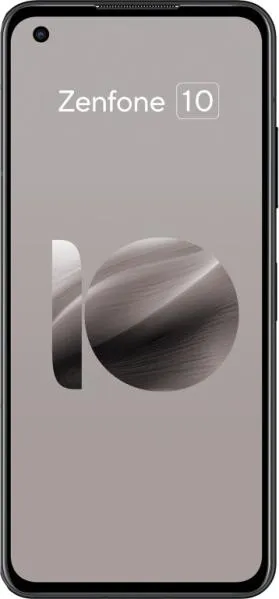
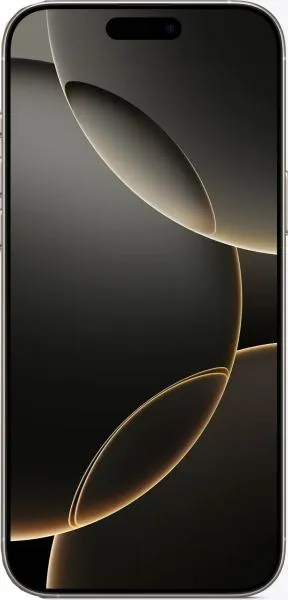
1. Specifications Comparison
| Feature | Asus Zenfone 10 | Apple iPhone 16 Pro Max | Practical Impact |
|---|---|---|---|
| Design | |||
| Dimensions (mm) | 146.5 x 68.1 x 9.4 | 163 x 77.6 x 8.3 | Zenfone 10 significantly smaller and more pocketable; iPhone 16 Pro Max larger screen real estate. |
| Weight (g) | 172 | 227 | Zenfone 10 noticeably lighter for one-handed use; iPhone 16 Pro Max can feel heavy during extended use. |
| Build | Not specified | Titanium frame (assumed based on naming) | Potential durability advantage for iPhone 16 Pro Max; Zenfone 10 build materials unknown. |
| Display | |||
| Size (inches) | 5.92 | 6.9 | iPhone 16 Pro Max offers a much larger display for immersive content consumption; Zenfone 10 prioritizes one-handed usability. |
| Resolution (px) | 1080 x 2400 | 1320 x 2868 | Both offer sharp displays; iPhone boasts slightly higher pixel density (460 vs 445 ppi), but the difference is negligible in real-world use. |
| Refresh Rate (Hz) | 144 | 120 | Zenfone 10's higher refresh rate results in smoother animations and scrolling; iPhone 16 Pro Max's LTPO panel allows for dynamic refresh rate adjustment to conserve battery. |
| Display Type | Super AMOLED | LTPO Super Retina XDR OLED | Both offer vibrant colors and deep blacks; iPhone's peak brightness of 2000 nits significantly brighter in direct sunlight compared to Zenfone 10's 1100 nits. |
| Performance | |||
| Chipset | Snapdragon 8 Gen 2 | Apple A18 Pro | Both are flagship chipsets, ensuring top-tier performance; Apple's A18 Pro likely to have an edge in raw power and efficiency due to newer manufacturing process (3nm vs 4nm). |
| RAM (GB) | 8 | 8 | Comparable RAM; sufficient for demanding tasks on both devices. |
| OS | Android 13 | iOS 18 | Different operating systems cater to different user preferences; Android offers more customization, iOS known for simplicity and tighter ecosystem integration. |
| Camera | |||
| Main Camera (MP) | 50 (Sony IMX766) | 48 (Sony IMX903) | Both utilize high-quality sensors; iPhone 16 Pro Max has larger sensor size (1/1.3" vs 1/1.56"), potentially capturing more light in low-light conditions. DxOMark scores suggest iPhone 16 Pro Max has a superior camera system. |
| Ultrawide (MP) | 13 | 48 | iPhone 16 Pro Max offers much higher resolution ultrawide, capturing significantly more detail. |
| Telephoto | Not specified | 12 MP with 5x Optical Zoom | iPhone 16 Pro Max features a dedicated telephoto lens for optical zoom, absent in Zenfone 10. |
| Video | Up to 8K@24fps | Up to 4K@120fps with Dolby Vision | Both capable of high-quality video recording; iPhone excels in features like Dolby Vision and Cinematic Mode. |
| Battery | |||
| Capacity (mAh) | 4300 | 4685 | iPhone 16 Pro Max boasts a slightly larger battery; real-world battery life depends on usage and optimization. |
2. Key Differences Analysis
Asus Zenfone 10 Advantages:
- Compact Size and Lighter Weight: Significantly more pocketable and easier for one-handed use.
- Higher Refresh Rate Display: Smoother scrolling and animations.
- Potentially Lower Price: Positioned in the "medium price" range.
Apple iPhone 16 Pro Max Advantages:
- Larger, Brighter Display: More immersive content consumption experience, excellent outdoor visibility.
- Superior Performance: Likely more powerful and efficient due to the A18 Pro chip.
- Advanced Camera System: Higher resolution sensors, dedicated telephoto lens, and features like Dolby Vision video recording. Proven superior by DxOMark scores.
- Larger Battery: Potentially longer battery life.
- USB Type-C 3.2 Gen 2 with DisplayPort: Much faster data transfer and video output capabilities.
Trade-offs:
- Zenfone 10 sacrifices screen size and some camera features for compactness and affordability.
- iPhone 16 Pro Max compromises portability for a larger display and superior performance, and comes at a premium price.
3. User Profiles & Recommendations
Zenfone 10 Ideal User: Users prioritizing one-handed usability, portability, and a smooth display experience without needing the absolute best camera or performance. Use Cases: Everyday tasks, web browsing, social media, casual gaming, content consumption on the go.
iPhone 16 Pro Max Ideal User: Users prioritizing a large, bright display, top-tier performance, a cutting-edge camera system, and seamless integration within the Apple ecosystem. Use Cases: Demanding gaming, professional photography/videography, content creation, multitasking, immersive media consumption.
4. Decision Framework
Key Questions for Buyers:
- What screen size do you prefer? Prioritize portability or immersive content consumption?
- What is your budget? Zenfone 10 offers better value; iPhone 16 Pro Max commands a premium.
- What operating system do you prefer? Android for customization or iOS for simplicity and ecosystem integration?
Scenario-Based Recommendations:
- Limited Budget, Value Conscious: Zenfone 10
- Power User, Content Creator: iPhone 16 Pro Max
- Prioritize One-Handed Use: Zenfone 10
- Large Screen for Media Consumption: iPhone 16 Pro Max
My Choice: Apple iPhone 16 Pro Max
While I appreciate the Zenfone 10's compact design and value proposition, I would choose the iPhone 16 Pro Max. The significantly larger and brighter display, superior camera system (validated by DxOMark), expected performance gains from the A18 Pro chip, and the expansive feature set of iOS cater better to my needs. I prioritize a premium media consumption experience, perform demanding tasks, and value a robust camera for capturing high-quality photos and videos. While the price is significantly higher, the overall user experience and longevity offered by the iPhone 16 Pro Max justify the premium for me. The faster data transfer speeds and video output capabilities of the USB-C port are also compelling features.
