1. Specifications Comparison
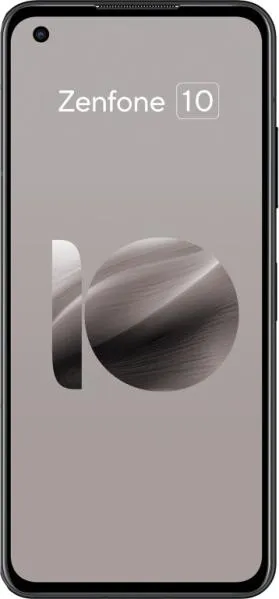
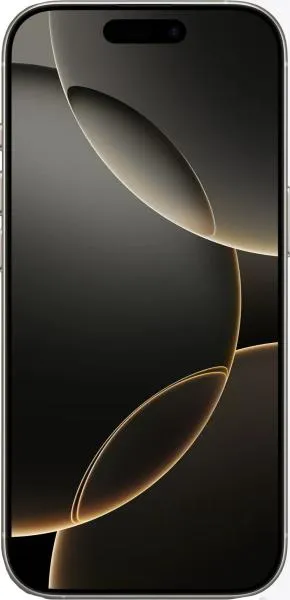
| Feature | Asus Zenfone 10 | Apple iPhone 16 Pro | Practical Impact |
|---|---|---|---|
| Design | |||
| Dimensions (mm) | 146.5 x 68.1 x 9.4 | 149.6 x 71.5 x 8.3 | Zenfone 10 is noticeably smaller and more pocketable. iPhone 16 Pro is thinner but slightly taller and wider. |
| Weight (g) | 172 | 199 | Zenfone 10 is significantly lighter, reducing hand fatigue during extended use. |
| Build Material | Missing | Missing | Cannot compare build quality and durability. |
| Display | |||
| Size (inches) | 5.92 | 6.3 | iPhone 16 Pro offers a larger screen for media consumption but might be less one-hand friendly. |
| Resolution | 1080 x 2400 | 1206 x 2622 | Both offer sharp displays. iPhone has a slightly higher resolution and pixel density (460 vs 445 ppi) but the difference is negligible in real-world usage. |
| Refresh Rate (Hz) | 144 | 120 | Zenfone 10's higher refresh rate results in smoother animations and scrolling, especially noticeable in gaming and fast-paced UI interactions. |
| Display Type | Super AMOLED | LTPO Super Retina XDR OLED | Both are high-quality display technologies. LTPO allows for dynamic refresh rate adjustment, potentially saving battery on the iPhone 16 Pro. |
| Peak Brightness (nits) | 1100 | 2000 | iPhone 16 Pro offers significantly higher peak brightness, ensuring better visibility in direct sunlight. |
| Performance | |||
| Chipset | Snapdragon 8 Gen 2 | Apple A18 Pro | Both are flagship chipsets, offering top-tier performance. Apple's A18 Pro is expected to have an edge in raw power and efficiency due to its newer manufacturing process (3nm vs 4nm). Real-world performance differences may vary depending on optimization. |
| CPU | Octa-core (1x3.2 GHz Cortex-X3 & 2x2.8 GHz Cortex-A715 & 2x2.8 GHz Cortex-A710 & 3x2.0 GHz Cortex-A510) | Hexa-core (2x4.05 GHz + 4x2.42 GHz) | Specific core configurations are less indicative of real-world performance than benchmark tests, which are missing here. |
| GPU | Adreno 740 | Apple GPU (6-core) | Both are powerful GPUs capable of handling demanding games and applications. Cross-platform comparisons are difficult without benchmark data. |
| RAM (GB) | 8 | 8 | Both phones have ample RAM for multitasking. |
| Camera | |||
| Main Camera (MP) | 50 (Sony IMX766) | 48 (Sony IMX903) | Both use high-quality Sony sensors. iPhone 16 Pro has a slightly larger sensor (1/1.3" vs 1/1.56"), potentially capturing more light in low-light conditions. Image quality ultimately depends on processing. |
| Ultrawide (MP) | 13 | 48 | iPhone's higher resolution ultrawide offers significantly more detail. |
| Telephoto | No | Yes (12MP) | iPhone 16 Pro offers optical zoom capabilities, absent in the Zenfone 10. |
| Video Recording | Up to 8K@24fps | Up to 4K@120fps | Zenfone 10 boasts higher resolution video recording, while iPhone 16 Pro offers higher frame rates for smoother slow-motion. Dolby Vision recording on the iPhone is a notable advantage for professional or enthusiast videographers. |
| Battery | |||
| Capacity (mAh) | 4300 | 3582 | Zenfone 10 has a significantly larger battery capacity, likely translating to longer battery life. iPhone 16 Pro's LTPO display may mitigate some of this difference through dynamic refresh rate adjustment. Real-world battery life depends on usage patterns. |
2. Key Differences Analysis
Zenfone 10 Advantages:
- Smaller and Lighter: More comfortable for one-handed use and extended periods.
- Higher Refresh Rate Display: Smoother user experience.
- Larger Battery: Potentially longer battery life.
- Lower Price: Offers competitive features at a more affordable price point.
iPhone 16 Pro Advantages:
- Brighter Display: Better outdoor visibility.
- More Powerful Chipset (expected): Potentially faster performance in demanding tasks.
- Superior Camera System: Higher resolution ultrawide, telephoto lens for optical zoom, advanced features like Dolby Vision recording.
- LTPO Display: Dynamic refresh rate for potential power savings.
- iOS Ecosystem: Seamless integration with other Apple devices and services.
Trade-offs:
- Zenfone 10: Larger battery and lower price for a less powerful camera system and potentially less powerful processor.
- iPhone 16 Pro: Higher performance, brighter display and a superior camera system for a higher price and smaller battery.
3. User Profiles & Recommendations
Zenfone 10: Ideal for users who prioritize a compact size, smooth display, long battery life, and value for money. Best for one-handed use, gaming on the go, and everyday tasks.
iPhone 16 Pro: Ideal for users who prioritize performance, camera quality, a vibrant display, and seamless integration with the Apple ecosystem. Best for demanding tasks, content creation (photo/video), and users heavily invested in Apple services.
4. Decision Framework
Key Questions:
- What is your budget? The iPhone 16 Pro commands a significantly higher price.
- What screen size do you prefer? Do you prioritize one-handed usability or a larger display for media consumption?
- What are your most important use cases? (e.g., gaming, photography, everyday tasks)
Scenario-Based Recommendations:
- Budget-conscious gamer: Zenfone 10
- Photography enthusiast: iPhone 16 Pro
- Average user seeking a compact phone with good battery life: Zenfone 10
- Power user invested in the Apple ecosystem: iPhone 16 Pro
My Choice: Asus Zenfone 10
Why: While the iPhone 16 Pro boasts a superior camera system and expected performance gains, the Zenfone 10's compact form factor, higher refresh rate display, larger battery, and significantly lower price are more compelling for my personal needs. I prioritize comfortable one-handed use, smooth performance in everyday tasks and gaming, and long battery life over the absolute best camera quality and raw processing power. The price difference is substantial enough to be a deciding factor, as the Zenfone 10 delivers excellent value for its price. I acknowledge the subjective nature of this choice, as users with different priorities (e.g., professional photography) might find the iPhone 16 Pro a better fit.
