1. Specifications Comparison
| Feature | Asus Zenfone 10 | Apple iPhone 16 Plus | Practical Impact |
|---|---|---|---|
| Design | |||
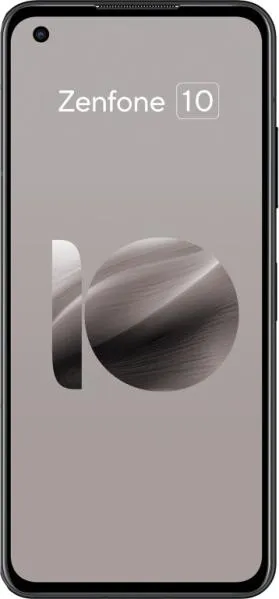
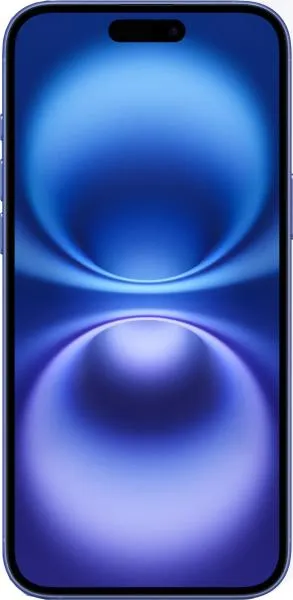
| Dimensions (mm) | 146.5 x 68.1 x 9.4 | 160.9 x 77.8 x 7.8 | Zenfone 10 is significantly smaller and more pocketable. iPhone 16 Plus is larger, offering a more immersive media experience but less one-handed usability. |
| Weight (g) | 172 | 199 | Zenfone 10 is noticeably lighter, reducing hand fatigue during extended use. |
| Build Material | Missing | Missing | Cannot compare build quality and durability. |
| Display | |||
| Size (inches) | 5.92 | 6.7 | iPhone 16 Plus offers a larger screen for media consumption and multitasking. Zenfone 10's smaller size benefits one-handed use. |
| Resolution (px) | 1080 x 2400 | 1290 x 2796 | iPhone 16 Plus has a higher resolution, resulting in sharper text and images. However, the difference might not be noticeable in everyday use due to Zenfone 10's high pixel density. |
| Display Type | Super AMOLED, 144Hz | Super Retina XDR OLED | Both offer excellent color accuracy and contrast. Zenfone 10's 144Hz refresh rate provides smoother animations and scrolling compared to iPhone's standard refresh rate (assumed 60Hz due to lack of specification). |
| Peak Brightness (nits) | 1100 | 2000 | iPhone 16 Plus achieves significantly higher peak brightness, ensuring better visibility in direct sunlight. |
| Performance | |||
| Chipset | Snapdragon 8 Gen 2 | Apple A18 | Both are flagship chipsets offering top-tier performance. Apple's A18, being a newer generation, is likely to have a performance edge, but real-world differences depend on optimization. |
| CPU | Octa-core (1x3.2 GHz Cortex-X3 & 2x2.8 GHz Cortex-A715 & 2x2.8 GHz Cortex-A710 & 3x2.0 GHz Cortex-A510) | Hexa-core (2x4.04 GHz + 4x2.20 GHz) | Both CPUs offer excellent performance. Specific core configurations suggest different approaches to power efficiency. Real-world performance will depend on workload and software optimization. |
| RAM (GB) | 8 | 8 | Both phones have the same amount of RAM, which should be sufficient for multitasking. However, RAM management strategies can differ between operating systems impacting real-world performance. |
| Camera | |||
| Main Camera (MP) | 50 | 48 | Megapixel count is similar; image quality will depend more on sensor size, aperture, and processing. |
| Sensor Size (Main) | 1/1.56" | 1/1.3" | iPhone 16 Plus has a larger main sensor, potentially capturing more light and detail, especially in low-light conditions. |
| Video Recording | Up to 8K@24fps | Up to 4K@60fps | Zenfone 10 offers higher resolution video recording (8K), but iPhone likely prioritizes features like Dolby Vision and Cinematic mode for enhanced video quality at lower resolution. |
| Battery | |||
| Capacity (mAh) | 4300 | 4674 | iPhone 16 Plus has a slightly larger battery capacity. Actual battery life will depend on software optimization and usage patterns. |
2. Key Differences Analysis
Asus Zenfone 10 Advantages:
- Compact Size: Significantly smaller and lighter, ideal for one-handed use and portability.
- High Refresh Rate Display: 144Hz provides a smoother and more responsive user experience.
- Higher Resolution Video Recording: Offers 8K video recording.
Apple iPhone 16 Plus Advantages:
- Larger Display: More immersive experience for media consumption and multitasking.
- Brighter Display: Better visibility in direct sunlight.
- Larger Main Camera Sensor: Potentially better low-light performance and image quality.
- Likely Better Performance: Newer A18 Bionic chip likely outperforms Snapdragon 8 Gen 2.
- Ecosystem Integration: Seamless integration with other Apple devices and services.
Trade-offs:
- Size and Portability (Zenfone 10) vs. Larger Screen (iPhone 16 Plus)
- Higher Refresh Rate (Zenfone 10) vs. Brighter Display and Dolby Vision (iPhone 16 Plus)
- 8K Video (Zenfone 10) vs. Potentially Superior Image/Video Quality at lower resolutions (iPhone 16 Plus)
3. User Profiles & Recommendations
Zenfone 10: Users who prioritize a compact and lightweight phone with a smooth display and high video resolution capabilities. Ideal for one-handed use, gaming, and content creation focused on high-resolution video.
iPhone 16 Plus: Users who prefer a large screen for media consumption, multitasking, and gaming, value a bright display for outdoor use, and prioritize integration with the Apple ecosystem.
4. Decision Framework
Key Questions for Buyers:
- What screen size do you prefer? Compact and one-hand friendly or large and immersive?
- Which operating system and ecosystem do you prefer? Android or iOS?
- What are your priorities in terms of camera and video features? High resolution or enhanced video features like Dolby Vision?
Scenario-Based Recommendations:
- For a user who commutes frequently and uses their phone one-handed: Zenfone 10
- For a user who primarily consumes media and values a bright, large display: iPhone 16 Plus
- For a mobile gamer prioritizing smoothness: Zenfone 10 for its high refresh rate.
My Choice: Apple iPhone 16 Plus
While I appreciate the Zenfone 10's compact size and high refresh rate display, the iPhone 16 Plus's larger and brighter display, potentially superior overall performance from the A18 Bionic chip, larger camera sensor, and integration with the Apple ecosystem are more compelling to me. I prioritize media consumption, multitasking, and a seamless experience across my devices, making the iPhone 16 Plus a better fit for my personal needs. The slightly larger size is a trade-off I'm willing to make for these benefits.
