1. Specifications Comparison
| Feature | Asus Zenfone 10 | Apple iPhone 16 | Practical Impact |
|---|---|---|---|
| Design | |||
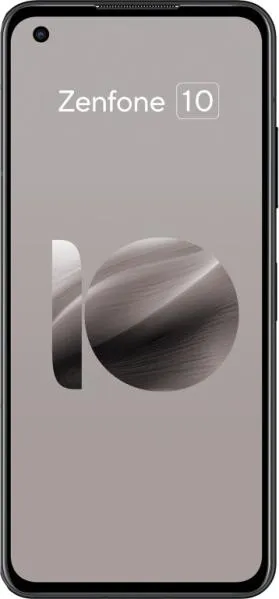
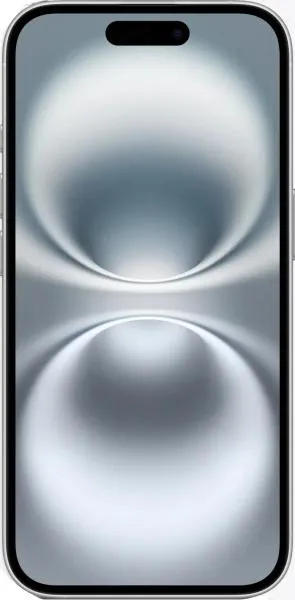
| Dimensions (mm) | 146.5 x 68.1 x 9.4 | 147.6 x 71.6 x 7.8 | Zenfone 10 is noticeably smaller and slightly thicker. Easier one-handed use for Zenfone 10, iPhone 16 might feel larger in hand. |
| Weight (g) | 172 | 170 | Negligible weight difference in practical usage. |
| Build Material | Not specified | Not specified | Cannot compare build quality and durability without material information. |
| Display | |||
| Display Size (inches) | 5.92 | 6.1 | iPhone 16 offers slightly larger screen real estate for media consumption. |
| Resolution (px) | 1080 x 2400 | 1179 x 2556 | iPhone 16 has a sharper display due to higher resolution and pixel density. |
| Display Type | Super AMOLED, 144Hz | Super Retina XDR OLED | Zenfone 10's 144Hz offers smoother scrolling and animations, beneficial for gaming. iPhone's OLED provides excellent contrast and color accuracy. Refresh rate for iPhone 16 is not specified. |
| Peak Brightness (nits) | 1100 | 2000 | iPhone 16 significantly brighter, enhancing outdoor visibility. |
| Performance | |||
| Chipset | Snapdragon 8 Gen 2 (4 nm) | Apple A18 (3 nm) | Both are flagship chipsets, expecting top-tier performance. A18's 3nm process might offer slightly better efficiency. |
| CPU | Octa-core (1x3.2 GHz Cortex-X3 & 2x2.8 GHz Cortex-A715 & 2x2.8 GHz Cortex-A710 & 3x2.0 GHz Cortex-A510) | Hexa-core (2x4.04 GHz + 4x2.20 GHz) | Both CPUs are powerful. Clock speeds don't directly translate to real-world performance due to architectural differences. |
| GPU | Adreno 740 | Apple GPU (5-core graphics) | Both are high-end GPUs, capable of demanding games. Cross-platform comparisons are difficult without benchmarks. |
| RAM | 8GB | 8GB | Same RAM capacity. RAM management differs between iOS and Android, making direct comparison difficult. |
| Camera | |||
| Main Camera (MP) | 50 | 48 | Megapixel count doesn't solely determine image quality. Sensor size and other factors play a significant role. |
| Main Camera Aperture | f/1.9 | f/1.6 | iPhone 16's wider aperture allows more light, potentially better low-light performance. |
| Ultrawide (MP) | 13 | 12 | Similar ultrawide capabilities. |
| Selfie Camera (MP) | 32 | 12 | Zenfone 10 has a higher resolution selfie camera. |
| Battery | |||
| Capacity (mAh) | 4300 | 3561 | Zenfone 10 has significantly larger battery capacity, potentially longer battery life. |
2. Key Differences Analysis
Asus Zenfone 10 Advantages:
- Smaller Size: More comfortable for one-handed use.
- Higher Refresh Rate Display: Smoother experience, especially for gaming.
- Larger Battery: Potentially longer battery life.
Apple iPhone 16 Advantages:
- Sharper Display: Higher resolution and pixel density.
- Brighter Display: Better outdoor visibility.
- Wider Main Camera Aperture: Potentially better low-light photography.
- Potentially more efficient Chipset: Due to 3nm process.
Trade-offs:
- Zenfone 10 prioritizes compact size and battery life over display size and brightness.
- iPhone 16 prioritizes display quality and performance, potentially compromising battery life compared to the Zenfone 10.
3. User Profiles & Recommendations
Asus Zenfone 10: Ideal for users who value compact size, smooth performance, long battery life, and prioritize these over a larger, brighter display. Suitable for:
- One-handed use enthusiasts
- Mobile gamers
- Users needing extended battery life
Apple iPhone 16: Ideal for users who prioritize display quality, performance, and the iOS ecosystem. Suitable for:
- Media consumption (videos, photos)
- Users preferring a larger screen
- Users invested in the Apple ecosystem
4. Decision Framework
Key Questions for Buyers:
- How important is one-handed usability and portability?
- Do you prioritize display quality (sharpness, brightness) or smoothness (high refresh rate)?
- Which operating system (Android or iOS) and ecosystem do you prefer?
Scenario-Based Recommendations:
- Heavy Media Consumer: iPhone 16 for its superior display.
- Mobile Gamer: Zenfone 10 for its high refresh rate and compact size.
- On-the-Go Professional: Zenfone 10 for its long battery life and portability.
My Choice: Asus Zenfone 10
While the iPhone 16 boasts a stunning display, I prioritize the Zenfone 10's compact form factor, high refresh rate display, and larger battery. The smoother scrolling and extended battery life are significant factors in my daily usage. Although the iPhone 16 may offer slightly better low-light photos due to the wider aperture, the Zenfone 10's camera system is still highly capable. As someone who values practicality and portability, the Zenfone 10 better suits my needs. The compact size, in particular, is a compelling feature in a market dominated by large phones. I am also willing to compromise on absolute display sharpness and brightness for the benefits of a higher refresh rate.
