1. Specifications Comparison
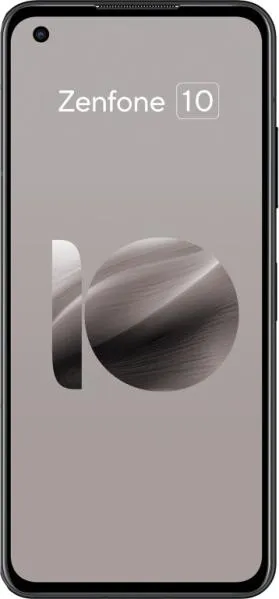
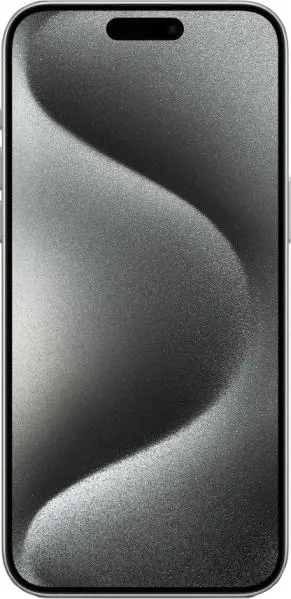
| Feature | Asus Zenfone 10 | Apple iPhone 15 Pro Max | Practical Impact |
|---|---|---|---|
| Design | |||
| Dimensions (mm) | 146.5 x 68.1 x 9.4 | 159.9 x 76.7 x 8.3 | Zenfone 10 is significantly smaller and more pocketable. iPhone 15 Pro Max is larger, potentially less comfortable for one-handed use. |
| Weight (g) | 172 | 221 | Zenfone 10 is noticeably lighter, reducing hand fatigue during extended use. |
| Build Materials | Not specified | Titanium frame | iPhone 15 Pro Max boasts superior durability due to the titanium frame. Durability of Zenfone 10 is unknown without material specs. |
| Display | |||
| Size (inches) | 5.92 | 6.7 | iPhone 15 Pro Max offers a larger screen for more immersive content consumption. Zenfone 10's smaller size benefits one-handed usability. |
| Resolution (pixels) | 1080 x 2400 | 1290 x 2796 | iPhone has a slightly sharper display due to higher resolution and pixel density. |
| Refresh Rate (Hz) | 144 | 120 | Zenfone 10's higher refresh rate results in smoother animations and scrolling. |
| Display Type | Super AMOLED | LTPO Super Retina XDR OLED | Both offer excellent color accuracy and contrast. LTPO allows for dynamic refresh rate adjustment on the iPhone, potentially saving battery. |
| Peak Brightness (nits) | 1100 | 2000 | iPhone 15 Pro Max offers significantly higher peak brightness, improving outdoor visibility. |
| Performance | |||
| Chipset | Snapdragon 8 Gen 2 | Apple A17 Pro | Both are top-tier chipsets, ensuring excellent performance. Real-world performance comparisons are needed for definitive conclusions. |
| CPU | Octa-core (1x3.2 GHz Cortex-X3 & 2x2.8 GHz Cortex-A715 & 2x2.8 GHz Cortex-A710 & 3x2.0 GHz Cortex-A510) | Hexa-core (2x3.78 GHz + 4x2.11 GHz) | Core configuration differences make direct comparison challenging. Both are high-performance CPUs. Benchmarking is needed for objective comparison. |
| GPU | Adreno 740 | Apple GPU (6-core) | Similar to CPU, both are powerful GPUs but require real-world gaming and graphics tests for comparison. |
| RAM (GB) | 8 | 8 | Both phones have the same amount of RAM. |
| Camera | |||
| Rear Camera | 50MP (Main) + 13MP (Wide/Macro) | 48MP (Main) + 12MP (Ultrawide) + 12MP (Telephoto) | iPhone offers a more versatile camera system with a dedicated telephoto lens for optical zoom. |
| Front Camera | 32MP | 12MP | Zenfone 10 has a higher resolution front camera, potentially capturing more detail in selfies. However, megapixels don't solely determine image quality. |
| Video Recording | Up to 8K@24fps | Up to 4K@60fps with Dolby Vision HDR | Zenfone 10 offers higher resolution video recording, while iPhone prioritizes professional features like Dolby Vision HDR. |
| Battery | |||
| Capacity (mAh) | 4300 | 4441 | iPhone has slightly larger battery capacity. Real-world battery life depends on usage patterns and software optimization. |
| Other | |||
| Price Range | Medium | High | Zenfone 10 offers a more affordable price point. |
| Operating System | Android 13 | iOS 17 | OS preference is subjective. Android offers more customization, while iOS is known for its simplicity and ecosystem integration. |
2. Key Differences Analysis
Asus Zenfone 10 Advantages:
- Compact Size and Lighter Weight: More pocketable and comfortable for one-handed use.
- Higher Refresh Rate Display: Smoother scrolling and animations.
- Lower Price: More affordable option.
- Potentially higher resolution selfies: 32MP front camera.
Apple iPhone 15 Pro Max Advantages:
- Premium Build Materials: Enhanced durability with titanium frame.
- Brighter Display: Better outdoor visibility.
- More Versatile Camera System: Telephoto lens for optical zoom and Dolby Vision HDR video recording.
- LTPO Display: Dynamic refresh rate for potential power savings.
- Larger Display: More immersive experience for media consumption.
3. User Profiles & Recommendations
Asus Zenfone 10: Ideal for users who prioritize a compact and lightweight phone, value a smooth display, and are looking for a more affordable option. Excellent for one-handed use, gaming on the go, and users sensitive to phone weight.
Apple iPhone 15 Pro Max: Suitable for users who prefer a larger display for media consumption, require a versatile camera system with advanced features, prioritize build quality and ecosystem integration, and are willing to pay a premium price. Best for content creators, photography enthusiasts, and users heavily invested in the Apple ecosystem.
4. Decision Framework
Key Questions for Buyers:
- What is your budget? The iPhone 15 Pro Max is significantly more expensive.
- Do you prioritize one-handed usability and portability? The Zenfone 10 excels in this area.
- What is your primary use case? Content creation and photography benefit from the iPhone's camera system, while gaming and everyday tasks might favor the Zenfone 10's compact size and high refresh rate.
My Choice: Asus Zenfone 10
While the iPhone 15 Pro Max boasts impressive specs, I would choose the Asus Zenfone 10. My primary reasons are:
- Compact Form Factor: I highly value one-handed usability and pocketability, which the Zenfone 10 excels at.
- Smooth Display: The 144Hz refresh rate is a tangible improvement in daily use.
- Value Proposition: The Zenfone 10 offers flagship-level performance at a significantly lower price point.
While I acknowledge the iPhone's strengths in camera versatility and display brightness, those features are less crucial for my personal needs. The Zenfone 10 strikes the best balance between performance, portability, and price for my usage. I am willing to compromise on slightly lower resolution photos and videos, and the lack of a telephoto lens for the significant gains in size and affordability. Ultimately, a phone's value is subjective and depends on individual priorities.
