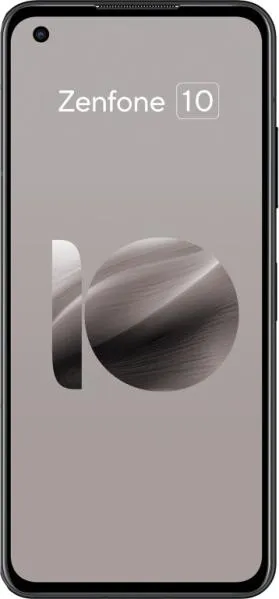

1. Specifications Comparison
| Feature | Asus Zenfone 10 | Apple iPhone 15 Plus | Practical Impact |
|---|---|---|---|
| Design | |||
| Dimensions (mm) | 146.5 x 68.1 x 9.4 | 160.9 x 77.8 x 7.8 | Zenfone 10 is significantly smaller and more pocketable. iPhone 15 Plus is larger, offering a bigger screen but less one-handed usability. |
| Weight (g) | 172 | 201 | Zenfone 10 is noticeably lighter, reducing hand fatigue during extended use. |
| Build | Material specifications missing for both phones, limiting comparison. | ||
| Display | |||
| Size (inches) | 5.92 | 6.7 | iPhone 15 Plus provides a larger viewing area for media consumption and multitasking. Zenfone 10's smaller display promotes one-handed use. |
| Resolution (px) | 1080 x 2400 | 1290 x 2796 | iPhone 15 Plus has a sharper display due to higher resolution and pixel density. |
| Type | Super AMOLED, 144Hz | Super Retina XDR OLED | Both offer vibrant colors and deep blacks. Zenfone 10's 144Hz refresh rate provides smoother animations and scrolling compared to iPhone 15 Plus's standard refresh rate (assumed 60Hz due to lack of specific information). |
| Peak Brightness (nits) | 1100 | 2000 | iPhone 15 Plus offers significantly higher peak brightness, ensuring better visibility in direct sunlight. |
| Performance | |||
| Chipset | Snapdragon 8 Gen 2 | Apple A16 Bionic | Both are flagship chipsets offering top-tier performance. Direct performance comparison is difficult without benchmark data, but both should handle demanding tasks with ease. |
| RAM (GB) | 8/16 | 6 | Zenfone 10 offers more RAM in some configurations, potentially benefiting multitasking and demanding applications. However, iOS's memory management may mitigate this difference in real-world usage. |
| OS | Android 13 | iOS 17 | Different operating systems cater to different user preferences regarding customization, app ecosystems, and privacy features. |
| Camera | |||
| Main Camera (MP) | 50 | 48 | Pixel count is similar. Image quality depends on sensor size, processing, and other factors not fully detailed here. |
| Ultrawide (MP) | 13 | 12 | Similar ultrawide capabilities. Detailed comparison requires more sensor information. |
| Video | Up to 8K@24fps | Up to 4K@60fps | Zenfone 10 offers higher resolution video recording, but iPhone is known for excellent video quality and features like Cinematic mode. |
| Battery | |||
| Capacity (mAh) | 4300 | 4383 | Very similar battery capacities. Actual battery life depends on usage patterns, software optimization, and display characteristics. |
2. Key Differences Analysis
Asus Zenfone 10 Advantages:
- Compact Size: Significantly smaller and lighter, ideal for one-handed use.
- High Refresh Rate Display: 144Hz provides a smoother user experience.
- Potentially Higher RAM: More RAM in some configurations may benefit multitasking.
- 8K Video Recording: Offers higher resolution video recording capability.
Apple iPhone 15 Plus Advantages:
- Larger Display: Provides a more immersive media consumption experience.
- Higher Peak Brightness: Ensures better outdoor visibility.
- Longer Software Support: Typically receives iOS updates for a longer period.
- Stronger Ecosystem: Benefits from Apple's tightly integrated hardware and software ecosystem.
3. User Profiles & Recommendations
Asus Zenfone 10: Users who prioritize a compact, one-handed phone with a smooth display and potentially longer battery life due to the smaller, lower resolution screen. Ideal for those who value portability and responsiveness.
Apple iPhone 15 Plus: Users who prefer a large screen for media consumption, gaming, and multitasking. Ideal for those already invested in the Apple ecosystem and prioritize ease of use and long-term software updates.
4. Decision Framework
Key Questions for Buyers:
- Do you prioritize one-handed usability and portability or a larger display for media consumption?
- Which operating system (Android or iOS) and ecosystem do you prefer?
- What is your budget, and which phone offers the best value for your needs?
My Choice: Asus Zenfone 10
While the iPhone 15 Plus offers a compelling large-screen experience and the benefits of the Apple ecosystem, I would choose the Asus Zenfone 10. The compact size and 144Hz display are major deciding factors for me. I prioritize one-handed usability and a smooth, responsive user experience. The Zenfone 10's higher RAM options and 8K video recording are also attractive features. While acknowledging the advantages of Apple's software support and ecosystem, the Zenfone 10 better fits my personal preferences and usage patterns. The slightly lower price for comparable storage is a bonus.
