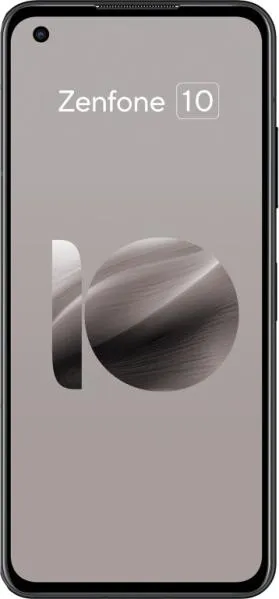

1. Specifications Comparison
| Feature | Asus Zenfone 10 | Apple iPhone 15 | Practical Impact | |
|---|---|---|---|---|
| Design | ||||
| Dimensions (mm) | 146.5 x 68.1 x 9.4 | 147.6 x 71.6 x 7.8 | Zenfone 10 is noticeably smaller and slightly thicker. Easier one-handed use for Zenfone 10, iPhone 15 is thinner and potentially more pocketable. | |
| Weight (g) | 172 | 171 | Negligible weight difference in real-world usage. | |
| Build Material | Not specified | Not specified | Cannot compare build quality and durability without this information. | |
| Display | ||||
| Display Size (inches) | 5.92 | 6.1 | iPhone 15 offers slightly larger screen real estate for media consumption. | |
| Resolution (pixels) | 1080 x 2400 | 1179 x 2556 | iPhone 15 has a sharper display with higher pixel density (461 ppi vs 445 ppi). More detailed images and text on iPhone 15. | |
| Refresh Rate (Hz) | 144 | Not specified, assumed 60Hz | Zenfone 10's 144Hz display provides significantly smoother scrolling and animations. More responsive and fluid user experience on the Zenfone 10, especially in gaming. | |
| Display Type | Super AMOLED | Super Retina XDR OLED | Both are high-quality display technologies with vibrant colors and deep blacks. iPhone 15 boasts higher peak brightness (2000 nits vs 1100 nits), improving outdoor visibility. | |
| HDR | HDR10+, HBM | HDR10, Dolby Vision | Both support HDR for enhanced video content; Dolby Vision on iPhone 15 offers potentially better dynamic range in supported content. | |
| Performance | ||||
| Chipset | Snapdragon 8 Gen 2 | Apple A16 Bionic | Both are flagship chipsets offering top-tier performance. A16 generally benchmarks higher, but real-world differences might be minimal for average users. | |
| CPU | Octa-core (1x3.2 GHz Cortex-X3 & ...) | Hexa-core (2x3.46 GHz Everest + ...) | Specific core configurations differ, but both offer excellent processing power. | |
| RAM | 8GB | 6GB | Zenfone 10 has more RAM, potentially beneficial for multitasking and keeping more apps open in the background. iOS's memory management may mitigate this advantage to some extent. | |
| Camera | ||||
| Main Camera (MP) | 50 | 48 | Both offer high-resolution main cameras capable of capturing detailed images. iPhone 15's main sensor has slightly larger sensor size (1/1.5" vs 1/1.56"), potentially capturing more light in low-light conditions. | |
| Ultrawide (MP) | 13 | 12 | Minor difference in resolution, practical image quality differences will likely depend more on sensor and processing. | |
| Video Recording | 8K@24fps, 4K@60fps | 4K@60fps, Cinematic Mode | Zenfone 10 offers 8K recording, but file sizes will be significantly larger. iPhone 15 lacks 8K, but features Cinematic Mode for shallow depth of field effects in video. | |
| Battery | ||||
| Capacity (mAh) | 4300 | 3349 | Zenfone 10 has significantly larger battery capacity, likely translating to longer battery life. Real-world battery life depends heavily on usage patterns. |
2. Key Differences Analysis
Zenfone 10 Advantages:
- Smaller Size & Higher Refresh Rate: Offers a more compact form factor with a significantly smoother display.
- Larger Battery: Potentially much longer battery life.
- More RAM: Potential benefits for multitasking, although iOS optimization might reduce the impact.
iPhone 15 Advantages:
- Sharper Display & Higher Peak Brightness: Slightly sharper display with superior outdoor visibility.
- Potentially Superior Performance (A16 Chip): Benchmark results suggest better raw performance, but real-world differences might be subtle.
- Dolby Vision & Cinematic Mode: Enhanced video capabilities.
- iOS Ecosystem: Integration with other Apple devices and services.
Trade-offs:
- Size vs. Battery Life: iPhone 15 sacrifices battery life for a slimmer design.
- Refresh Rate vs. Display Sharpness: Zenfone 10 prioritizes a smooth display over slightly higher resolution.
3. User Profiles & Recommendations
Zenfone 10: Ideal for users who prioritize one-handed usability, long battery life, and a smooth display experience. Excellent for power users, gamers, and those who dislike large phones.
iPhone 15: Suitable for users who prefer a larger, sharper display with excellent brightness, value the iOS ecosystem, and prioritize video recording features like Cinematic Mode. Good for general users, content consumers, and those invested in the Apple ecosystem.
4. Decision Framework
Key Questions:
- How important is one-handed usability and a compact phone?
- What is your priority: battery life or display sharpness/brightness?
- Which operating system (Android or iOS) and ecosystem do you prefer?
Scenario-based Recommendations:
- Heavy User/Gamer: Zenfone 10 for its performance, battery life, and smooth display.
- Media Consumer: iPhone 15 for its larger, sharper display with Dolby Vision and better speakers (not detailed in the spec but generally true for iPhones).
- Casual User: Either phone is suitable, depending on individual preferences for size, operating system, and battery life.
My Choice: Asus Zenfone 10
While the iPhone 15 offers a compelling package, I would choose the Asus Zenfone 10. The combination of a compact size, 144Hz display, significantly larger battery, and powerful Snapdragon 8 Gen 2 is irresistible for my usage. I prioritize a smooth and responsive user experience, long battery life, and one-handed usability. While I acknowledge the iPhone 15's strengths in display sharpness and video features, the Zenfone 10 better aligns with my personal needs and preferences. The slightly smaller screen size is a worthwhile trade-off for the significant gains in other areas. Additionally, Android's flexibility and customization options are more appealing to me than iOS.
