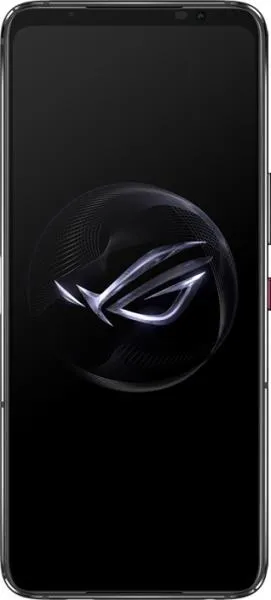
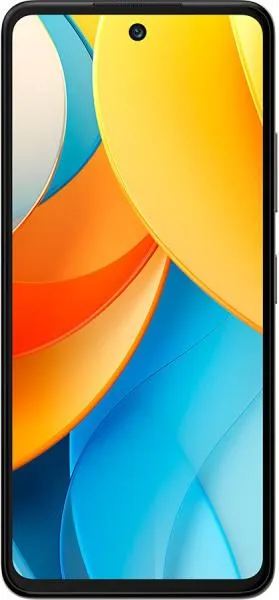
1. Specifications Comparison
| Feature | Asus ROG Phone 7 | ZTE Blade V60 Design | Practical Impact |
|---|---|---|---|
| Design | |||
| Dimensions (mm) | 173 x 77 x 10.3 | 164.2 x 75.3 x 8.6 | ROG Phone 7 is slightly wider and thicker, but noticeably heavier. V60 Design is more pocketable and easier to handle for extended use. |
| Weight (g) | 239 | 198 | Significant weight difference; ROG Phone 7 may feel bulky, while V60 Design offers a lighter experience. |
| Display | |||
| Type | AMOLED, 165Hz, HDR10+ | IPS LCD, 90Hz | ROG Phone 7 boasts superior color accuracy, deeper blacks, and smoother motion thanks to AMOLED and higher refresh rate. V60 Design's display is basic. |
| Size | 6.78" | 6.6" | Negligible size difference in real-world usage. |
| Resolution | 1080 x 2448 | 720 x 1612 | ROG Phone 7 offers significantly sharper visuals due to higher resolution. V60 Design's display will appear pixelated, especially with text and images. |
| Peak Brightness | 1500 nits | Not specified | ROG Phone 7 ensures excellent outdoor visibility. Lack of data for V60 Design prevents comparison but lower expected considering the price range. |
| Performance | |||
| Chipset | Snapdragon 8 Gen 2 (4nm) | Unisoc T606 (12nm) | Massive performance gap. ROG Phone 7 handles demanding tasks and gaming with ease, while V60 Design may struggle with multitasking and complex applications. |
| CPU | Octa-core (up to 3.2 GHz) | Octa-core (up to 1.6 GHz) | ROG Phone 7 offers significantly faster processing speeds, resulting in smoother overall performance. |
| GPU | Adreno 740 | Mali-G57 MP1 | ROG Phone 7 provides a far superior gaming experience with higher frame rates and detail levels. V60 Design is suitable for casual gaming only. |
| RAM | 12GB | 4/6GB (version dependent) | More RAM in ROG Phone 7 allows for smoother multitasking and better performance with memory-intensive applications. |
| Camera | |||
| Main Camera | 50MP Sony IMX766 | 50MP ISOCELL | Sensor model unspecified for V60 Design limits detailed comparison. ROG Phone 7 likely produces better image quality due to the known Sony IMX766 sensor. |
| Video | Up to 8K@24fps | Up to 1080p@30fps | ROG Phone 7 offers superior video recording capabilities with higher resolution and frame rates. |
| Battery | |||
| Capacity | 6000 mAh | 5000 mAh | ROG Phone 7 likely offers longer battery life due to larger capacity. However, heavier usage on the ROG Phone 7 may offset this advantage. |
2. Key Differences Analysis
Asus ROG Phone 7 Advantages:
- Significantly more powerful: Superior processor, GPU, and RAM for demanding tasks and gaming.
- High-quality display: AMOLED with 165Hz refresh rate for vibrant colors and smooth visuals.
- Versatile camera: High-resolution sensor and advanced video recording capabilities.
- Larger battery: Potentially longer battery life.
- Feature-rich: Includes accessories connector, DisplayPort.
ZTE Blade V60 Design Advantages:
- Lightweight and more affordable: Easier to handle and significantly cheaper.
- More pocketable: Slimmer and lighter build.
Trade-offs:
- ROG Phone 7: Higher price, heavier and bulkier.
- ZTE Blade V60 Design: Lower performance, less impressive display, basic camera features.
3. User Profiles & Recommendations
Asus ROG Phone 7: Ideal for gamers, power users, and those who demand top-tier performance and a premium multimedia experience. Excellent for demanding mobile gaming, content creation, and multitasking.
ZTE Blade V60 Design: Suitable for budget-conscious users who prioritize basic communication, web browsing, and light media consumption. Best for users who primarily need a simple, affordable phone for calling, texting, and basic apps.
4. Decision Framework
Key Questions for Buyers:
- What is your budget? The ROG Phone 7 is significantly more expensive.
- What are your primary use cases? Gaming and demanding tasks vs. basic communication and web browsing.
- Do you prioritize performance and display quality or affordability and portability?
Scenario-Based Recommendations:
- Gamer: ROG Phone 7 is the clear choice.
- Budget-conscious user: ZTE Blade V60 Design.
- Average user: Consider mid-range options that offer a balance between price and performance.
My Choice: Asus ROG Phone 7
While the ZTE Blade V60 Design offers an attractive price point, the Asus ROG Phone 7's superior performance, stunning display, and versatile camera make it the better choice for me. I prioritize a smooth and responsive user experience, high-quality visuals for media consumption, and the ability to handle demanding tasks without lag. The higher price is justified by the significant jump in quality and capabilities. The ROG Phone 7 is a future-proof investment that will provide a premium mobile experience for years to come. While heavier, the weight demonstrates the premium build quality and large battery. The inclusion of features like the DisplayPort further expands the phone's functionality beyond typical smartphone usage.
