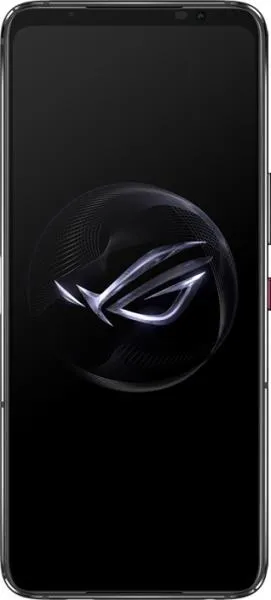

1. Specifications Comparison
| Feature | Asus ROG Phone 7 | ZTE Blade A75 4G | Practical Impact |
|---|---|---|---|
| Design | |||
| Dimensions (mm) | 173 x 77 x 10.3 | 164.1 x 75.8 x 8.6 | ROG Phone 7 is thicker and heavier, likely due to enhanced cooling and larger battery. |
| Weight (g) | 239 | 189 | A75 4G is significantly lighter, improving one-handed use. |
| Build Materials | Missing | Missing | Build quality and durability cannot be compared without this information. |
| Display | |||
| Display Type | AMOLED, 1B colors, 165Hz | IPS LCD, 90Hz | ROG Phone 7 offers superior contrast, vibrant colors, and smoother scrolling due to AMOLED technology and higher refresh rate. |
| Display Size (inches) | 6.78 | 6.6 | Negligible size difference. |
| Resolution | 1080 x 2448 | 720 x 1612 | ROG Phone 7 has a much sharper display, resulting in clearer text and images. |
| PPI | 395 | 267 | Noticeably higher pixel density on the ROG Phone 7 provides a crisper visual experience. |
| Peak Brightness (nits) | 1500 | Missing | ROG Phone 7's high peak brightness ensures excellent outdoor visibility; A75 4G's unknown brightness limits this comparison. |
| Performance | |||
| Chipset | Snapdragon 8 Gen 2 | Unisoc T606 | ROG Phone 7 boasts significantly faster processing power for demanding tasks and gaming due to its flagship chipset. |
| CPU | Octa-core (1x3.2 GHz Cortex-X3 & 2x2.8 GHz Cortex-A715 & 2x2.8 GHz Cortex-A710 & 3x2.0 GHz Cortex-A510) | Octa-core (2x1.6 GHz Cortex-A75 & 6x1.6 GHz Cortex-A55) | ROG Phone 7's CPU architecture and clock speeds offer superior performance in multitasking and demanding applications. |
| GPU | Adreno 740 | Mali-G57 MP1 | ROG Phone 7 delivers a far better gaming experience and handles graphics-intensive tasks with ease thanks to its powerful GPU. |
| RAM | 12GB | 4GB/8GB | More RAM in the ROG Phone 7 allows for smoother multitasking and handling more demanding applications. |
| Camera | |||
| Main Camera | 50MP Sony IMX766 | 50MP ISOCELL | While both have 50MP main sensors, the ROG Phone 7 utilizes a known high-quality Sony sensor, potentially resulting in better image quality. Sensor size and other details for the A75 4G are missing, limiting in-depth comparison. |
| Video Recording | Up to 8K@24fps | Up to 1080p@30fps | ROG Phone 7 provides significantly higher resolution video recording capabilities. |
| Battery | |||
| Capacity (mAh) | 6000 | 5000 | ROG Phone 7 offers longer battery life. |
2. Key Differences Analysis
Asus ROG Phone 7 Advantages:
- Superior Performance: Flagship chipset, high RAM, and powerful GPU deliver a smooth and responsive experience for demanding tasks and gaming.
- High-Quality Display: AMOLED technology with a high refresh rate and resolution provides vibrant colors, deep blacks, and smooth scrolling.
- Longer Battery Life: Larger battery capacity ensures extended usage.
ZTE Blade A75 4G Advantages:
- Lightweight and Compact: Noticeably lighter than the ROG Phone 7, making it more comfortable for one-handed use.
- Affordable: Significantly lower price point makes it accessible to budget-conscious consumers.
Trade-offs:
- Performance vs. Price: The ROG Phone 7 offers top-tier performance but at a premium price. The A75 4G compromises performance for affordability.
3. User Profiles & Recommendations
Asus ROG Phone 7: Ideal for mobile gamers, power users, and those who demand the best performance and display quality. Excellent for demanding tasks, content creation, and media consumption.
ZTE Blade A75 4G: Suitable for budget-conscious users who prioritize basic communication, web browsing, and light media consumption. Good for users who need a reliable phone without high-end features.
4. Decision Framework
Key Questions for Buyers:
- What is your budget? The ROG Phone 7 is a high-end device, while the A75 4G is budget-friendly.
- What are your primary use cases? Gaming and demanding tasks require the ROG Phone 7's power; basic communication and web browsing are well-handled by the A75 4G.
- How important are display quality and battery life? The ROG Phone 7 excels in both areas.
My Choice: Asus ROG Phone 7
While significantly more expensive, the Asus ROG Phone 7 aligns with my priorities for a smartphone. Its superior performance, stunning display, and long battery life are crucial for my usage, which includes mobile gaming, content creation, and multitasking. The ZTE Blade A75 4G, while offering excellent value for its price, simply doesn't provide the level of performance and features I require. I am willing to invest in the ROG Phone 7 for a significantly enhanced user experience in the long run.
