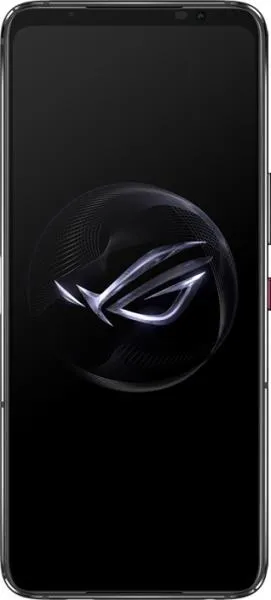

1. Specifications Comparison
| Feature | Asus ROG Phone 7 | Xiaomi Redmi Note 13 Pro+ | Practical Impact |
|---|---|---|---|
| Design | |||
| Dimensions (mm) | 173 x 77 x 10.3 | 161.4 x 74.2 x 8.9 | ROG Phone 7 is larger and thicker. Redmi Note 13 Pro+ is more pocketable. |
| Weight (g) | 239 | 199 | ROG Phone 7 is noticeably heavier. Redmi Note 13 Pro+ is lighter for one-handed use. |
| Display | |||
| Size (inches) | 6.78 | 6.67 | Negligible size difference. |
| Resolution (px) | 1080 x 2448 | 1220 x 2712 | Redmi Note 13 Pro+ has a sharper display due to higher resolution. |
| Refresh Rate (Hz) | 165 | 120 | ROG Phone 7 offers smoother animations and scrolling with a higher refresh rate, beneficial for gaming. |
| Peak Brightness (nits) | 1500 | 1800 | Redmi Note 13 Pro+ can get brighter, improving outdoor visibility. |
| Color Depth | 1B | 68B | Redmi Note 13 Pro+ offers a wider color gamut, resulting in more vibrant and accurate colors. |
| Performance | |||
| Chipset | Snapdragon 8 Gen 2 | Dimensity 7200 Ultra | ROG Phone 7 boasts a flagship-level processor, significantly more powerful for demanding tasks and gaming. |
| CPU | Octa-core (1x3.2 GHz Cortex-X3 & 2x2.8 GHz Cortex-A715 & 2x2.8 GHz Cortex-A710 & 3x2.0 GHz Cortex-A510) | Octa-core (2x2.8 GHz Cortex-A715 & 6x2.0 GHz Cortex-A510) | ROG Phone 7's CPU architecture provides superior performance, especially in single-core tasks. |
| GPU | Adreno 740 | Mali-G610 MC4 | Adreno 740 provides a substantial advantage in graphics rendering, crucial for gaming and high-resolution content. |
| RAM (GB) | 12 | Up to 16 | More RAM in certain Redmi Note 13 Pro+ configurations enables better multitasking and smoother performance with many apps open. |
| Camera | |||
| Main Camera (MP) | 50 (Sony IMX766) | 200 (Samsung ISOCELL HP3) | Redmi Note 13 Pro+ boasts a higher megapixel count; however, sensor size and other factors also impact image quality. Practical image quality comparison requires real-world testing. |
| Video Recording | Up to 8K@24fps | Up to 4K@30fps | ROG Phone 7 offers higher resolution video recording. |
| Battery | |||
| Capacity (mAh) | 6000 | 5000 | ROG Phone 7 has a larger battery, potentially leading to longer battery life. Real-world usage will vary depending on usage patterns. |
2. Key Differences Analysis
Asus ROG Phone 7 Advantages:
- Significantly more powerful: Snapdragon 8 Gen 2 offers a considerable performance advantage for demanding games and applications.
- Higher refresh rate display: Smoother experience for gaming and scrolling.
- Larger battery: Potentially longer battery life.
- Higher resolution video recording: Captures more detail in videos.
Xiaomi Redmi Note 13 Pro+ Advantages:
- Sharper display: Higher pixel density results in crisper visuals.
- Brighter display: Better visibility outdoors.
- Wider color gamut: More vibrant and accurate colors.
- Lighter and more compact: Easier to handle and carry.
- Lower price: Offers excellent value for its specifications.
- Higher resolution main camera: Potentially more detailed photos, though real-world results depend on various factors.
3. User Profiles & Recommendations
Asus ROG Phone 7: Ideal for mobile gamers, power users, and those who prioritize top-tier performance and a smooth display.
Xiaomi Redmi Note 13 Pro+: Suitable for users seeking a well-rounded phone with a great display, long battery life, and capable cameras at a more affordable price. Excellent for everyday use, social media, and photography.
4. Decision Framework
Key Questions for Buyers:
- What is your budget? The ROG Phone 7 is significantly more expensive.
- What are your primary use cases? Gaming and demanding tasks favor the ROG Phone 7, while everyday use, photography, and content consumption might favor the Redmi Note 13 Pro+.
- Do you prioritize performance or value? ROG Phone 7 prioritizes performance, while the Redmi Note 13 Pro+ offers a compelling balance of features and price.
My Choice: Xiaomi Redmi Note 13 Pro+
While the Asus ROG Phone 7 is undoubtedly a performance beast, the Xiaomi Redmi Note 13 Pro+ offers a more compelling package for my needs. I prioritize a sharp, bright display, good battery life, and a capable camera for everyday use, social media, and photography. The Redmi Note 13 Pro+ excels in these areas while offering a significantly lower price point. While I appreciate the extra power of the ROG Phone 7, I don't require that level of performance for my typical usage. The Redmi Note 13 Pro+'s lighter and more compact design also makes it more practical for daily carry. The superior display quality and color accuracy are significant factors for media consumption, which I value highly. The price difference is substantial enough to justify the trade-off in processing power for my needs.
