1. Specifications Comparison
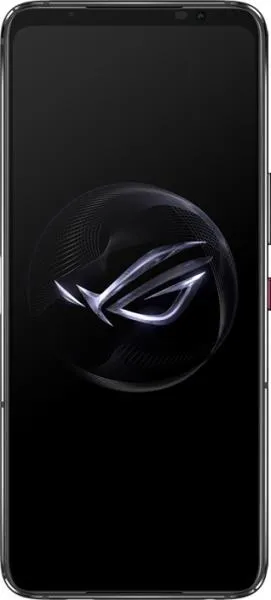
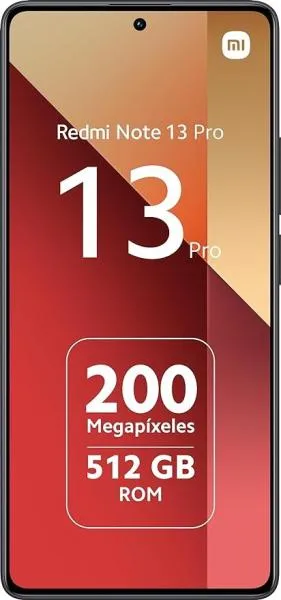
| Feature | Asus ROG Phone 7 | Xiaomi Redmi Note 13 Pro 4G | Practical Impact |
|---|---|---|---|
| Design | |||
| Dimensions (mm) | 173 x 77 x 10.3 | 161.1 x 75 x 8 | ROG Phone 7 is larger and thicker. Redmi Note 13 Pro is more pocketable. |
| Weight (g) | 239 | 188 | ROG Phone 7 is noticeably heavier. Redmi Note 13 Pro is more comfortable for extended use. |
| Build | (Missing) | (Missing) | Build materials impact durability and premium feel. This information is missing. |
| Display | |||
| Size (inches) | 6.78 | 6.67 | Negligible difference in screen real estate. |
| Resolution | 1080 x 2448 | 1080 x 2400 | Virtually identical sharpness. |
| Refresh Rate (Hz) | 165 | 120 | ROG Phone 7 offers smoother scrolling and animations, especially noticeable in gaming. |
| Display Type | AMOLED | AMOLED | Both offer vibrant colors and deep blacks. |
| Peak Brightness (nits) | 1500 | 1300 | ROG Phone 7 is brighter outdoors. |
| Performance | |||
| Chipset | Snapdragon 8 Gen 2 | Helio G99 Ultra | ROG Phone 7 significantly outperforms in demanding tasks like gaming and video editing. |
| CPU | Octa-core (1x3.2 GHz Cortex-X3 & 2x2.8 GHz Cortex-A715 & 2x2.8 GHz Cortex-A710 & 3x2.0 GHz Cortex-A510) | Octa-core (2x2.2 GHz Cortex-A76 & 6x2.0 GHz Cortex-A55) | ROG Phone 7 has a more powerful and efficient CPU architecture. |
| GPU | Adreno 740 | Mali-G57 MC2 | ROG Phone 7 offers a substantially better gaming experience. |
| RAM | 12GB | 8GB/12GB | More RAM on the ROG Phone 7 allows for better multitasking and smoother performance. |
| Camera | |||
| Main Camera (MP) | 50 (Sony IMX766) | 200 (Samsung ISOCELL HP3) | Redmi Note 13 Pro boasts higher resolution, but sensor size and other factors also impact image quality. |
| Ultrawide (MP) | 13 | 8 | ROG Phone 7's ultrawide likely offers slightly better image quality. |
| Video Recording | Up to 8K@24fps | Up to 1080p@60fps | ROG Phone 7 allows for much higher resolution video recording. |
| Battery | |||
| Capacity (mAh) | 6000 | 5000 | ROG Phone 7 will likely offer longer battery life. |
| Charging Speed | (Missing) | (Missing) | Charging speed significantly impacts usability. This information is missing. |
2. Key Differences Analysis
Asus ROG Phone 7 Advantages:
- Superior Performance: The Snapdragon 8 Gen 2 and Adreno 740 offer a significant performance advantage for gaming, demanding applications, and multitasking.
- Smoother Display: The 165Hz refresh rate provides a more fluid visual experience.
- Larger Battery: The 6000mAh battery promises longer usage time.
- Higher Resolution Video Recording: Up to 8K video capture capabilities.
Xiaomi Redmi Note 13 Pro 4G Advantages:
- Potentially Better Main Camera: The 200MP sensor might offer more detail in ideal conditions, but real-world performance depends on various factors.
- Lighter and More Compact: Easier to handle and carry for extended periods.
- Lower Price: Significantly more affordable, offering good value for its features.
Trade-offs:
- The ROG Phone 7 prioritizes performance and gaming features at the cost of size, weight, and price.
- The Redmi Note 13 Pro offers a balance of features at a more affordable price, compromising on peak performance.
3. User Profiles & Recommendations
Asus ROG Phone 7: Ideal for mobile gamers, power users, and those who demand the highest performance and the smoothest display experience. Content creators who require high-resolution video recording would also benefit.
Xiaomi Redmi Note 13 Pro 4G: Suitable for everyday users, budget-conscious buyers, and those who prioritize a lighter, more compact phone. Users focused on social media and casual photography might find the 200MP camera appealing.
4. Decision Framework
Key Questions for Buyers:
- What is your budget? The ROG Phone 7 is significantly more expensive.
- What are your primary use cases? (Gaming, photography, general use)
- Do you prioritize performance or portability?
Scenario-Based Recommendations:
- Gamer: ROG Phone 7
- Photographer on a budget: Redmi Note 13 Pro 4G (with careful consideration of real-world camera performance)
- Everyday user with moderate needs: Redmi Note 13 Pro 4G
- Power user who needs the best performance: ROG Phone 7
My Choice: Asus ROG Phone 7
While the Redmi Note 13 Pro offers excellent value, I would choose the Asus ROG Phone 7. The significant performance advantage offered by the Snapdragon 8 Gen 2, coupled with the smoother 165Hz display and larger battery, outweighs the higher price and larger size for my needs. I value a fluid and responsive user experience, especially for gaming and demanding tasks. The ability to record 8K video is also a significant plus. While the Redmi Note 13 Pro's 200MP camera is intriguing, I prioritize overall system performance and a long-lasting battery. The price difference is substantial, but the ROG Phone 7 offers a premium experience justified by its cutting-edge hardware.
