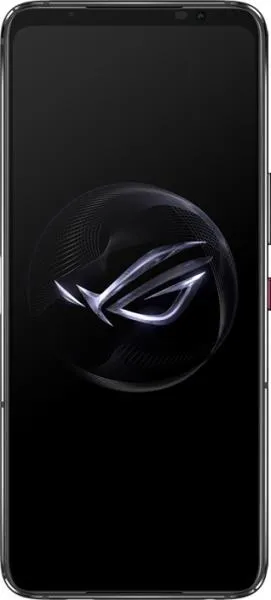
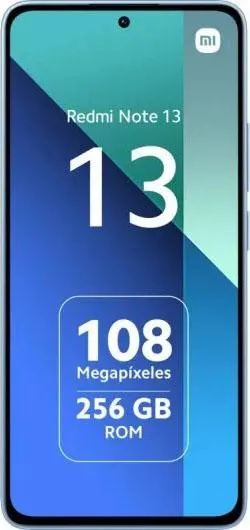
1. Specifications Comparison
| Feature | Asus ROG Phone 7 | Xiaomi Redmi Note 13 4G | Practical Impact |
|---|---|---|---|
| Design | |||
| Dimensions (mm) | 173 x 77 x 10.3 | 162.3 x 75.6 x 8 | ROG Phone 7 is larger and thicker. Redmi Note 13 is more pocketable. |
| Weight (g) | 239 | 188.5 | ROG Phone 7 is significantly heavier, impacting one-handed use. |
| Build | Missing | Missing | Build materials impact durability and premium feel. Information is lacking for a complete comparison. |
| Display | |||
| Size (inches) | 6.78 | 6.67 | Negligible difference in screen real estate. |
| Resolution | 1080 x 2448 | 1080 x 2400 | Virtually identical sharpness. |
| Refresh Rate (Hz) | 165 | 120 | ROG Phone 7 offers smoother scrolling and animations, especially noticeable in gaming. |
| Display Type | AMOLED, 1B colors, HDR10+ | AMOLED | ROG Phone 7 boasts superior color accuracy (1B vs. unspecified) and HDR support for richer visuals. |
| Peak Brightness (nits) | 1500 | 1800 | Redmi Note 13 might be slightly more visible in direct sunlight. |
| Performance | |||
| Chipset | Snapdragon 8 Gen 2 | Snapdragon 685 | ROG Phone 7 offers significantly faster processing and graphics performance, crucial for demanding tasks and gaming. |
| CPU | Octa-core (1x3.2 GHz Cortex-X3 & 2x2.8 GHz Cortex-A715 & 2x2.8 GHz Cortex-A710 & 3x2.0 GHz Cortex-A510) | Octa-core (4x2.8 GHz Cortex-A73 & 4x1.9 GHz Cortex-A53) | ROG Phone 7 has a more powerful and modern CPU architecture, resulting in smoother multitasking and app loading. |
| GPU | Adreno 740 | Adreno 610 | ROG Phone 7's GPU handles graphically intensive games and applications much better. |
| RAM | 12GB | 8GB | ROG Phone 7 allows for more apps to run in the background without performance slowdown. |
| Camera | |||
| Main Camera (MP) | 50 (Sony IMX766) | 108 (Samsung HM6) | Redmi Note 13 boasts higher resolution, but sensor size and other factors are crucial for image quality; detailed comparison is limited by missing information. |
| Video Recording | Up to 8K@24fps | Up to 1080p@30fps | ROG Phone 7 provides superior video recording capabilities with higher resolution and frame rates. |
| Battery | |||
| Capacity (mAh) | 6000 | 5000 | ROG Phone 7 offers longer battery life. |
2. Key Differences Analysis
Asus ROG Phone 7 Advantages:
- Superior Performance: The Snapdragon 8 Gen 2 and 12GB RAM offer a significant performance advantage for gaming, multitasking, and demanding applications.
- Better Display: Higher refresh rate (165Hz), 1B colors, and HDR10+ result in a smoother and visually richer experience.
- Enhanced Video Capabilities: 8K recording and higher frame rates offer more flexibility for content creation.
- Larger Battery: 6000mAh battery provides longer usage time.
Xiaomi Redmi Note 13 4G Advantages:
- Lighter and More Compact: Easier to handle and carry for everyday use.
- Potentially Brighter Display: 1800 nits peak brightness could offer better visibility in direct sunlight.
- Lower Price: Significantly more affordable.
3. User Profiles & Recommendations
Asus ROG Phone 7: Ideal for mobile gamers, power users, and content creators who prioritize performance, a high-quality display, and extended battery life.
Xiaomi Redmi Note 13 4G: Suitable for budget-conscious users who prioritize affordability, portability, and basic smartphone functionality. Good for casual users primarily focused on communication, social media, and web browsing.
4. Decision Framework
Key Questions for Buyers:
- What is your budget? The ROG Phone 7 is a premium device, while the Redmi Note 13 4G is significantly more affordable.
- What are your primary use cases? Gaming, content creation, and demanding tasks benefit from the ROG Phone 7's performance. Casual usage is well-served by the Redmi Note 13 4G.
- Do you prioritize portability? The Redmi Note 13 4G is lighter and more compact.
My Choice: Asus ROG Phone 7
While the Xiaomi Redmi Note 13 4G offers excellent value for its price, I would choose the Asus ROG Phone 7. The significant performance difference, superior display quality (refresh rate, color accuracy, HDR), and longer battery life are crucial factors for my usage. I prioritize a smooth and responsive user experience, especially for gaming and productivity, and I am willing to pay a premium for that. The Redmi Note 13 4G's advantages in portability and price are not compelling enough for me to sacrifice the ROG Phone 7's superior overall experience. The build quality information is missing from both, but given the price difference, I'd wager the ROG Phone 7 also has a better build.
