1. Specifications Comparison
| Feature | Asus ROG Phone 7 | Xiaomi Redmi Note 13 | Practical Impact |
|---|---|---|---|
| Design | |||
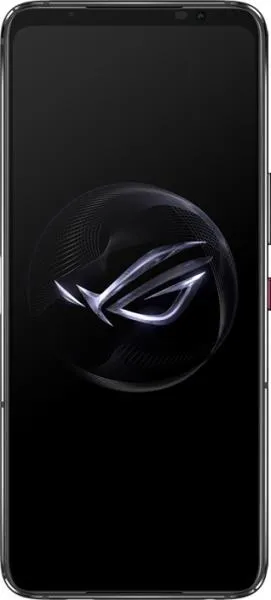
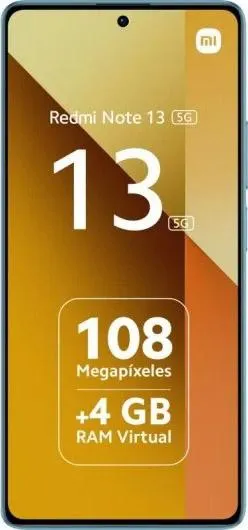
| Dimensions (mm) | 173 x 77 x 10.3 | 161.1 x 75 x 7.6 | ROG Phone 7 is larger and thicker. Redmi Note 13 is more pocketable. |
| Weight (g) | 239 | 174.5 | ROG Phone 7 is significantly heavier, potentially less comfortable for extended use. |
| Display | |||
| Size (inches) | 6.78 | 6.67 | Negligible difference in screen real estate. |
| Resolution (px) | 1080 x 2448 | 1080 x 2400 | Virtually identical sharpness. |
| Refresh Rate (Hz) | 165 | 120 | ROG Phone 7 offers smoother scrolling and animations, especially noticeable in gaming. |
| Display Type | AMOLED, 1B colors, HDR10+ | AMOLED, 1B colors | ROG Phone 7 supports HDR10+ for better dynamic range in compatible content. |
| Peak Brightness (nits) | 1500 | 1000 | ROG Phone 7 will be more visible in direct sunlight. |
| Performance | |||
| Chipset | Snapdragon 8 Gen 2 | Dimensity 6080 | ROG Phone 7 boasts significantly higher CPU and GPU performance, enabling demanding gaming and multitasking. |
| CPU | Octa-core (1x3.2 GHz Cortex-X3 & 2x2.8 GHz Cortex-A715 & 2x2.8 GHz Cortex-A710 & 3x2.0 GHz Cortex-A510) | Octa-core (2x2.4 GHz Cortex-A76 & 6x2.0 GHz Cortex-A55) | ROG Phone 7's superior core configuration and clock speeds translate to much faster processing. |
| GPU | Adreno 740 | Mali-G57 MC2 | ROG Phone 7 offers a substantial advantage in graphics rendering, crucial for high-end gaming. |
| RAM (GB) | 12 | 8/12 | ROG Phone 7's base model offers more RAM, improving multitasking and app loading times. |
| Camera | |||
| Main Camera (MP) | 50 (Sony IMX766) | 108 (Samsung HM6) | Redmi Note 13 has a higher resolution sensor, but sensor size and image processing play a crucial role in overall image quality, which cannot be determined from this data alone. |
| Video Recording | Up to 8K @ 24fps | Up to 1080p @ 30fps | ROG Phone 7 offers significantly higher video resolution and frame rate options. |
| Battery | |||
| Capacity (mAh) | 6000 | 5000 | ROG Phone 7 has a larger battery, potentially leading to longer battery life. However, power consumption from the more powerful processor needs to be considered. |
2. Key Differences Analysis
Asus ROG Phone 7 Advantages:
- Superior Performance: Significantly more powerful processor and GPU for demanding tasks and gaming.
- Smoother Display: Higher refresh rate display for fluid visuals.
- Brighter Display: Enhanced outdoor visibility.
- Larger Battery: Potential for longer battery life.
- Higher Resolution Video Recording: More detailed videos.
- HDR10+ Support: Improved dynamic range in video content.
Xiaomi Redmi Note 13 Advantages:
- Lower Price: Significantly more affordable.
- Lighter and More Compact: Easier to handle and carry.
- Higher Resolution Main Camera: Potentially more detailed photos (depending on sensor quality and image processing).
3. User Profiles & Recommendations
Asus ROG Phone 7: Ideal for mobile gamers, power users, and those who demand top-tier performance. Excellent for demanding tasks, multimedia consumption, and content creation.
Xiaomi Redmi Note 13: Suitable for budget-conscious users who prioritize affordability and everyday tasks. Good for social media, web browsing, and casual photography.
4. Decision Framework
Key Questions for Buyers:
- What is your budget? The ROG Phone 7 is significantly more expensive.
- What are your primary use cases? Gaming and demanding tasks favor the ROG Phone 7, while everyday use favors the Redmi Note 13.
- Do you prioritize performance or portability? The ROG Phone 7 is powerful but bulky, while the Redmi Note 13 is lighter and more compact.
My Choice:
I would choose the Asus ROG Phone 7. While significantly more expensive, the substantial performance difference, smoother and brighter display, larger battery, and superior video recording capabilities justify the premium for my needs. I prioritize a fluid and responsive user experience, and the Snapdragon 8 Gen 2 delivers that in spades. While the Redmi Note 13 is a compelling budget option, the performance gap is too significant to ignore for my usage. I often engage in tasks that require significant processing power, and I value a smooth, high-refresh-rate display. The added weight of the ROG Phone 7 is a minor trade-off for the significant performance gains.
