1. Specifications Comparison
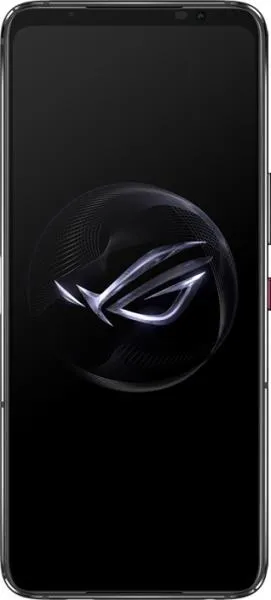
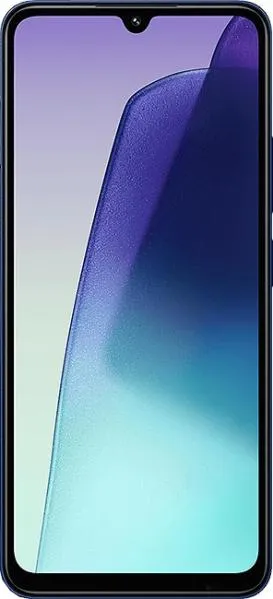
| Feature | Asus ROG Phone 7 | Xiaomi Redmi 14C | Practical Impact |
|---|---|---|---|
| Design | |||
| Dimensions (mm) | 173 x 77 x 10.3 | 171.9 x 77.8 x 8.2 | ROG Phone 7 is slightly larger and noticeably thicker. Redmi 14C is more pocketable. |
| Weight (g) | 239 | 211 | ROG Phone 7 is heavier, potentially less comfortable for extended use. |
| Build Material | Missing | Missing | Material affects durability and premium feel; information lacking for both. |
| Display | |||
| Size (inches) | 6.78 | 6.88 | Redmi 14C has a slightly larger screen, but resolution is significantly lower. |
| Resolution (pixels) | 1080 x 2448 | 720 x 1640 | ROG Phone 7 has a much sharper, more detailed display. Redmi 14C's display will appear pixelated. |
| Panel Type | AMOLED, 165Hz | IPS LCD, 120Hz | ROG Phone 7 offers superior contrast, vibrant colors, and smoother animations due to AMOLED and higher refresh rate. |
| Peak Brightness (nits) | 1500 | 600 | ROG Phone 7 will be significantly more visible in direct sunlight. |
| Performance | |||
| Chipset | Snapdragon 8 Gen 2 | Helio G81 Ultra | ROG Phone 7 offers vastly superior processing power, enabling demanding gaming and multitasking. |
| CPU | Octa-core (up to 3.2 GHz) | Octa-core (up to 2.0 GHz) | ROG Phone 7's CPU provides significantly faster performance in all tasks. |
| GPU | Adreno 740 | Mali-G52 MC2 | ROG Phone 7 offers a much more powerful GPU for high-end gaming and graphics-intensive tasks. |
| RAM | 12GB (reviewed model) | 4/6/8GB (variant dependent) | More RAM in the ROG Phone 7 allows for smoother multitasking and less app reloading. |
| Camera | |||
| Main Camera (MP) | 50 (Sony IMX766) | 50 | ROG Phone 7 likely has better image quality due to the known high-quality Sony sensor. Sensor details missing for Redmi 14C. |
| Ultrawide (MP) | 13 | 0.8 (Likely a depth sensor, not ultrawide) | ROG Phone 7 offers a usable ultrawide camera; Redmi 14C's secondary camera's functionality is unclear. |
| Video Recording | Up to 8K @ 24fps | Up to 1080p @ 30fps | ROG Phone 7 offers significantly higher resolution and frame rate video recording. |
| Battery | |||
| Capacity (mAh) | 6000 | 5160 | ROG Phone 7 has a larger battery, potentially leading to longer battery life. However, its powerful hardware may consume more power. |
| Charging Speed | Missing | Missing | Charging speed significantly impacts usability; information lacking for both. |
2. Key Differences Analysis
Asus ROG Phone 7 Advantages:
- Flagship Performance: Significantly more powerful processor, GPU, and more RAM for demanding tasks and gaming.
- Superior Display: AMOLED with higher resolution, refresh rate, and peak brightness for a vastly better visual experience.
- High-Quality Camera: Known high-quality Sony IMX766 sensor likely delivers better images. Superior video recording capabilities.
- Larger Battery: Potentially longer battery life, though power consumption depends on usage.
Xiaomi Redmi 14C Advantages:
- Lower Price: Significantly more affordable, targeting budget-conscious users.
- Lighter and Thinner: More pocketable and comfortable for casual use.
3. User Profiles & Recommendations
Asus ROG Phone 7: Ideal for mobile gamers, power users, and those who prioritize performance, display quality, and premium features. Excellent for demanding tasks, media consumption, and content creation.
Xiaomi Redmi 14C: Suitable for budget-conscious users who prioritize affordability for basic tasks like calling, messaging, and web browsing. Less suitable for demanding games or media consumption.
4. Decision Framework
Key Questions for Buyers:
- What is your budget? The ROG Phone 7 is a high-end device, while the Redmi 14C is a budget option.
- What are your primary use cases? Gaming, media consumption, or basic communication?
- How important are performance, display quality, and camera capabilities?
My Choice: Asus ROG Phone 7
While significantly more expensive, the ROG Phone 7 offers a vastly superior user experience in almost every aspect. Its flagship-level performance, stunning display, and capable camera system cater to demanding users and provide future-proofing. The Redmi 14C's low price is tempting, but the compromises in performance, display, and camera are significant. For a long-term investment in a powerful and enjoyable smartphone experience, the ROG Phone 7 is the clear winner. The price difference reflects a substantial gap in capabilities and quality. If budget is extremely tight, the Redmi 14C could suffice for basic tasks, but its limitations should be clearly understood.
