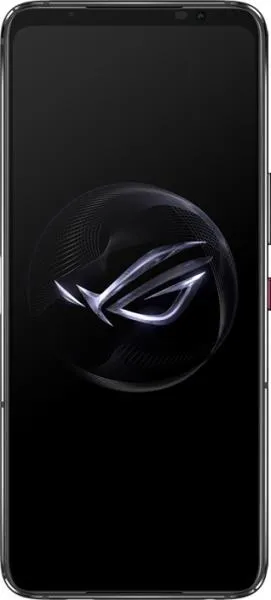
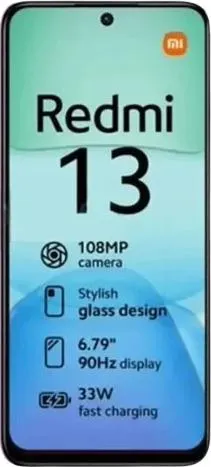
1. Specifications Comparison
| Feature | Asus ROG Phone 7 | Xiaomi Redmi 13 | Practical Impact |
|---|---|---|---|
| Design | |||
| Dimensions (mm) | 173 x 77 x 10.3 | 168.6 x 76.3 x 8.3 | ROG Phone 7 is thicker and heavier, potentially less comfortable for one-handed use. |
| Weight (g) | 239 | 205 | Redmi 13 is significantly lighter, reducing hand fatigue. |
| Build | Missing | Missing | Build materials impact durability and premium feel; information lacking for comparison. |
| Display | |||
| Size (inches) | 6.78 | 6.79 | Negligible size difference. |
| Resolution (pixels) | 1080 x 2448 | 1080 x 2460 | Virtually identical resolution; sharpness will be similar. |
| Type | AMOLED, 165Hz | IPS LCD, 90Hz | ROG Phone 7's AMOLED offers superior contrast, deeper blacks, and potentially better power efficiency. Its 165Hz refresh rate provides much smoother animations and scrolling compared to Redmi 13's 90Hz. |
| Peak Brightness (nits) | 1500 | 550 | ROG Phone 7 will be significantly more visible in direct sunlight. |
| Performance | |||
| Chipset | Snapdragon 8 Gen 2 | MediaTek Helio G91 Ultra | ROG Phone 7 boasts a flagship chipset, significantly outperforming the Redmi 13 in demanding tasks like gaming and multitasking. |
| CPU | Octa-core (1x3.2 GHz Cortex-X3 & 2x2.8 GHz Cortex-A715 & 2x2.8 GHz Cortex-A710 & 3x2.0 GHz Cortex-A510) | Octa-core (2x2.0 GHz Cortex-A75 & 6x1.8 GHz Cortex-A55) | ROG Phone 7's CPU architecture and clock speeds translate to much faster processing and smoother performance. |
| GPU | Adreno 740 | Mali-G52 MC2 | ROG Phone 7's GPU provides a substantial advantage in graphics performance, crucial for gaming and graphically intensive applications. |
| RAM | 12GB | 6/8GB | More RAM in the ROG Phone 7 enables smoother multitasking and better handling of demanding applications. |
| Camera | |||
| Main Camera (MP) | 50 (Sony IMX766) | 108 | While Redmi 13 has higher megapixel count, sensor size and other factors influence image quality. Sony IMX766 is generally a well-regarded sensor. |
| Video Recording | Up to 8K@24fps | Up to 1080p@30fps | ROG Phone 7 offers significantly higher video resolution and frame rate options. |
| Battery | |||
| Capacity (mAh) | 6000 | 5030 | ROG Phone 7's larger battery likely translates to longer battery life. |
2. Key Differences Analysis
Asus ROG Phone 7 Advantages:
- Superior Performance: Flagship Snapdragon chipset, ample RAM, and powerful GPU deliver a significantly better experience for gaming, multitasking, and demanding applications.
- High-Quality Display: AMOLED with 165Hz refresh rate offers vibrant colors, smooth scrolling, and excellent outdoor visibility.
- Larger Battery: Potentially longer battery life.
- Advanced Camera Features: 8K video recording capabilities.
Xiaomi Redmi 13 Advantages:
- Lower Price: Significantly more affordable.
- Lighter and Slimmer: More comfortable for one-handed use and portability.
Trade-offs:
- The Redmi 13 sacrifices performance, display quality, and camera features for affordability.
- The ROG Phone 7 prioritizes performance and features, resulting in a higher price and larger, heavier design.
3. User Profiles & Recommendations
Asus ROG Phone 7: Ideal for gamers, power users, and those who demand top-tier performance and a premium display. Excellent for demanding tasks, content creation, and media consumption.
Xiaomi Redmi 13: Suitable for budget-conscious users who prioritize basic functionality, affordability, and a lightweight design. Best for everyday tasks like calling, texting, browsing, and social media.
4. Decision Framework
Key Questions for Buyers:
- What is your budget? The ROG Phone 7 is a premium device, while the Redmi 13 is budget-friendly.
- What are your primary use cases? Gamers and power users will appreciate the ROG Phone 7, while casual users might find the Redmi 13 sufficient.
- What features are most important to you? Prioritize performance, display, and camera if choosing the ROG Phone 7. Prioritize affordability and portability if choosing the Redmi 13.
My Choice: Asus ROG Phone 7
While the Xiaomi Redmi 13 offers excellent value for its price, I would choose the Asus ROG Phone 7. The significant performance difference offered by the Snapdragon 8 Gen 2, combined with the superior AMOLED display and higher refresh rate, creates a vastly improved user experience for my needs. I prioritize smooth performance, vibrant visuals, and future-proofing my device. The higher price is justified by the substantial jump in quality and longevity. While I acknowledge the Redmi 13's advantages in portability and affordability, these factors are outweighed by the ROG Phone 7's superior capabilities for my usage, which includes gaming, media consumption, and productivity tasks. The larger battery also ensures I can enjoy these features for extended periods without needing to recharge frequently.
