1. Specifications Comparison
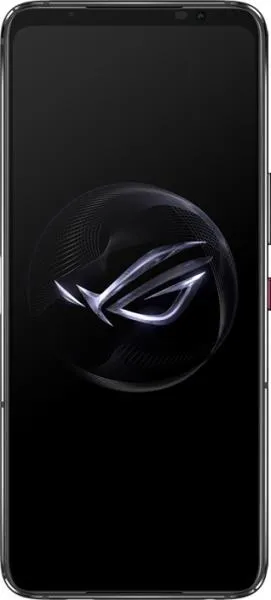
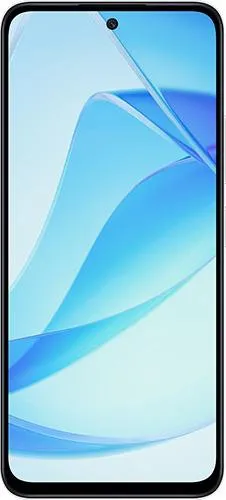
| Feature | Asus ROG Phone 7 | Xiaomi Redmi 12 5G | Practical Impact |
|---|---|---|---|
| Design | |||
| Dimensions (mm) | 173 x 77 x 10.3 | 168.6 x 76.3 x 8.2 | ROG Phone 7 is thicker and heavier, potentially less comfortable for one-handed use. |
| Weight (g) | 239 | 199 | Redmi 12 5G is noticeably lighter, enhancing portability. |
| Build | (Missing) | (Missing) | Material differences impact durability and premium feel; information needed for comparison. |
| Display | |||
| Size (inches) | 6.78 | 6.79 | Negligible size difference. |
| Resolution | 1080 x 2448 | 1080 x 2460 | Virtually identical sharpness. |
| Type | AMOLED, 165Hz | IPS LCD, 90Hz | ROG Phone 7 offers significantly smoother animations and scrolling with higher refresh rate and superior color accuracy and contrast with AMOLED. |
| Peak Brightness | 1500 nits | (Missing) | ROG Phone 7 should offer better visibility in sunlight; Redmi 12 5G's missing spec limits comparison. |
| Performance | |||
| Chipset | Snapdragon 8 Gen 2 | Snapdragon 4 Gen 2 | ROG Phone 7 boasts flagship-level performance, enabling demanding gaming and multitasking; Redmi 12 5G offers basic performance for everyday tasks. |
| CPU | Octa-core (up to 3.2 GHz) | Octa-core (up to 2.2 GHz) | ROG Phone 7's significantly faster CPU handles complex tasks with ease. |
| GPU | Adreno 740 | Adreno 613 | ROG Phone 7 provides a far superior gaming experience with its powerful GPU. |
| RAM | 12GB (reviewed model) | 4/6/8GB (variant dependent) | More RAM in the reviewed ROG Phone 7 ensures smoother multitasking and less app reloading. |
| Camera | |||
| Main Camera | 50MP, Sony IMX766 | 50MP, (Missing Sensor Details) | ROG Phone 7 uses a known high-quality sensor; Redmi's missing details hinder comparison but likely indicates a lower-tier sensor. |
| Video Recording | Up to 8K @ 24fps | Up to 1080p @ 30fps | ROG Phone 7 allows for much higher resolution video capture. |
| Battery | |||
| Capacity | 6000 mAh | 5000 mAh | ROG Phone 7 offers longer battery life. |
| Charging Speed | (Missing) | (Missing) | Charging speed comparison requires further information. |
2. Key Differences Analysis
Asus ROG Phone 7 Advantages:
- Flagship Performance: Dominates in processing power, graphics rendering, and multitasking due to the Snapdragon 8 Gen 2 and ample RAM.
- Superior Display: AMOLED screen with 165Hz refresh rate delivers vibrant colors, deeper blacks, and incredibly smooth visuals.
- Enhanced Gaming Features: Likely includes gaming-centric software and hardware features (not detailed in specs) targeted at mobile gamers.
- Larger Battery: Provides extended usage time.
Xiaomi Redmi 12 5G Advantages:
- Affordability: Significantly cheaper, offering a budget-friendly 5G option.
- Lighter and Slimmer: More comfortable for daily carrying and one-handed use.
3. User Profiles & Recommendations
Asus ROG Phone 7: Ideal for hardcore mobile gamers, power users, and those who prioritize top-tier performance and a premium display. Excellent for demanding tasks, media consumption, and content creation.
Xiaomi Redmi 12 5G: Suitable for budget-conscious users who need a basic smartphone with 5G connectivity. Best for everyday tasks like browsing, social media, and light gaming.
4. Decision Framework
Key Questions for Buyers:
- What is your budget? The ROG Phone 7 is a premium device, while the Redmi 12 5G is a budget option.
- What are your primary use cases? Gaming, demanding apps, and media consumption benefit from the ROG Phone 7's power. Basic tasks can be easily handled by the Redmi 12 5G.
- Do you prioritize performance or affordability? The ROG Phone 7 offers unmatched performance, while the Redmi 12 5G prioritizes value.
My Choice:
I would choose the Asus ROG Phone 7. While significantly more expensive, its superior performance, stunning display, and larger battery cater to my needs as a power user. I value a smooth and responsive experience, especially for gaming and multitasking. The Redmi 12 5G, while a solid budget option, doesn't offer the level of performance and premium features I prefer. The significantly better display alone is a huge factor for me. The price difference is considerable, but the long-term benefits of a more powerful and future-proof device outweigh the initial cost in my personal use case.
