1. Specifications Comparison
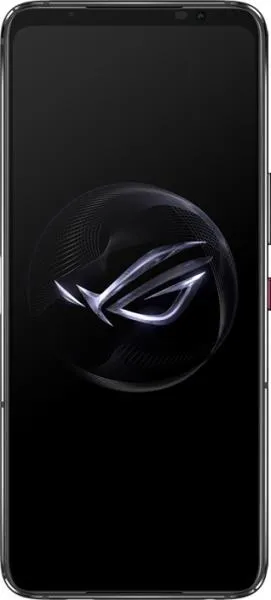
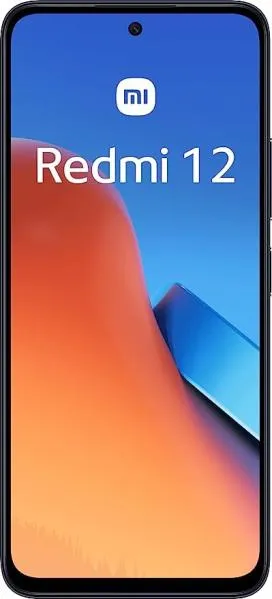
| Feature | Asus ROG Phone 7 | Xiaomi Redmi 12 | Practical Impact |
|---|---|---|---|
| Design | |||
| Dimensions (mm) | 173 x 77 x 10.3 | 168.6 x 76.3 x 8.2 | ROG Phone 7 is slightly larger and thicker. Redmi 12 is more pocketable. |
| Weight (g) | 239 | 198.5 | ROG Phone 7 is noticeably heavier. Redmi 12 is lighter for everyday use. |
| Build | Information Missing | Information Missing | Build materials impact durability and premium feel. This information is crucial for a complete comparison. |
| Display | |||
| Display Type | AMOLED | IPS LCD | ROG Phone 7 offers deeper blacks, vibrant colors, and better power efficiency due to AMOLED. Redmi 12's IPS LCD might have better color accuracy in some cases. |
| Display Size (inches) | 6.78 | 6.79 | Negligible size difference. Both offer large screens for media consumption. |
| Resolution | 1080 x 2448 | 1080 x 2460 | Virtually identical resolution; sharpness will be similar on both. |
| Refresh Rate (Hz) | 165 | 90 | ROG Phone 7 provides significantly smoother scrolling and animations, beneficial for gaming and fast-paced content. |
| Peak Brightness (nits) | 1500 | 550 | ROG Phone 7 will be much more visible in direct sunlight. Redmi 12's screen might be difficult to see outdoors. |
| Performance | |||
| Chipset | Snapdragon 8 Gen 2 | Helio G88 | ROG Phone 7 vastly outperforms the Redmi 12 in processing power, enabling demanding gaming, multitasking, and faster app loading. |
| CPU | Octa-core (1x3.2 GHz Cortex-X3 & 2x2.8 GHz Cortex-A715 & 2x2.8 GHz Cortex-A710 & 3x2.0 GHz Cortex-A510) | Octa-core (2x2.0 GHz Cortex-A75 & 6x1.8 GHz Cortex-A55) | The ROG Phone 7's CPU architecture is significantly more powerful and efficient. |
| GPU | Adreno 740 | Mali-G52 MC2 | ROG Phone 7 offers a substantially more powerful GPU for high-end gaming and graphics-intensive tasks. |
| RAM | 12GB | 8GB(max) | More RAM in the ROG Phone 7 allows for seamless multitasking and keeping more apps open in the background without performance slowdowns. |
| Camera | |||
| Main Camera | 50MP Sony IMX766 | 50MP Samsung S5KJN1 | Both have high megapixel counts, but sensor quality and image processing will determine the actual image quality. More details on sensor size and features are needed for a comprehensive comparison. |
| Ultrawide | 13MP | 8MP | ROG Phone 7's ultrawide likely captures more detail and wider field of view. |
| Macro | 5MP | 2MP | ROG Phone 7's macro camera likely offers slightly better detail. |
| Video Recording | Up to 8K@24fps | Up to 1080p@30fps | ROG Phone 7 offers significantly higher video resolution and frame rate options. |
| Battery | |||
| Capacity (mAh) | 6000 | 5000 | ROG Phone 7 has a larger battery, potentially offering longer battery life. However, actual usage will depend on software optimization and display usage. |
2. Key Differences Analysis
Asus ROG Phone 7 Advantages:
- Significantly more powerful: Superior chipset, CPU, GPU, and RAM for demanding tasks and gaming.
- Smoother Display: 165Hz refresh rate provides a much more fluid user experience.
- Brighter Display: Better visibility in sunlight.
- Higher Resolution Video Recording: Up to 8K.
- Larger Battery: Potentially longer battery life.
Xiaomi Redmi 12 Advantages:
- Lighter and More Compact: Easier to handle and carry.
- Lower Price: Significantly more affordable.
3. User Profiles & Recommendations
Asus ROG Phone 7: Ideal for mobile gamers, power users, and those who demand top-tier performance and a premium display. Excellent for demanding tasks, content creation, and media consumption.
Xiaomi Redmi 12: Suitable for budget-conscious users who prioritize basic smartphone functionality, casual social media use, and light gaming. A good option for those seeking a large screen without breaking the bank.
4. Decision Framework
Key Questions for Buyers:
- What is your budget? The ROG Phone 7 is significantly more expensive.
- What are your primary use cases? Gaming, demanding apps, or basic everyday use?
- Do you prioritize performance and display quality or affordability and portability?
My Choice:
I would choose the Asus ROG Phone 7. While significantly more expensive, its superior performance, stunning display, and versatile features cater to my needs as a power user. The 165Hz refresh rate, Snapdragon 8 Gen 2, and ample RAM ensure a smooth and responsive experience for demanding tasks and gaming. The brighter AMOLED display is also a significant advantage for outdoor use. While the Redmi 12 is a compelling budget option, the performance difference is substantial, and I value a fluid, high-performance experience. The price premium of the ROG Phone 7 is justified for the significant upgrade in capabilities.
