1. Specifications Comparison
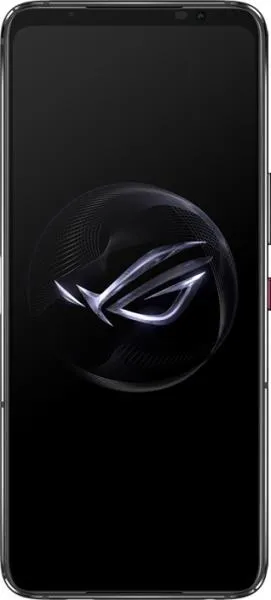
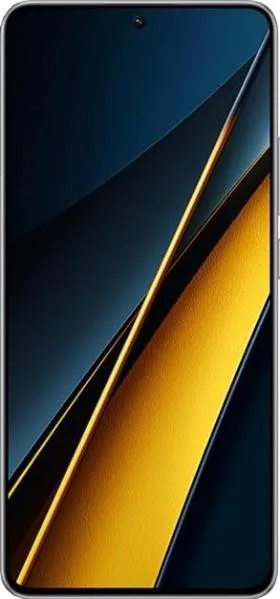
| Feature | Asus ROG Phone 7 | Xiaomi Poco X6 Pro | Practical Impact |
|---|---|---|---|
| Design | |||
| Dimensions (mm) | 173 x 77 x 10.3 | 160.5 x 74.3 x 8.3 | ROG Phone 7 is larger and thicker. Poco X6 Pro is more pocketable. |
| Weight (g) | 239 | 186 | ROG Phone 7 is significantly heavier. Poco X6 Pro feels lighter in hand. |
| Display | |||
| Size (inches) | 6.78 | 6.67 | Negligible size difference. |
| Resolution (px) | 1080 x 2448 | 1220 x 2712 | Poco X6 Pro has a sharper display with higher pixel density. |
| Refresh Rate (Hz) | 165 | 120 | ROG Phone 7 offers smoother scrolling and animations, especially noticeable in gaming. |
| Display Type | AMOLED, 1B colors | AMOLED, 68B colors | Poco X6 Pro supports a wider color gamut, resulting in more vibrant and accurate colors. |
| Peak Brightness (nits) | 1500 | 1800 | Poco X6 Pro can achieve higher brightness for better outdoor visibility. |
| Performance | |||
| Chipset | Snapdragon 8 Gen 2 | Dimensity 8300 Ultra | Both are powerful chips, but Snapdragon 8 Gen 2 generally offers slightly better peak performance. |
| CPU | Octa-core (1x3.2 GHz Cortex-X3 & ...) | Octa-core (1x3.35 GHz Cortex-A715 & ...) | Both offer excellent multi-core performance for demanding tasks. Slight differences in core configuration might favor specific workloads, but real-world impact will likely be minimal for average users. |
| GPU | Adreno 740 | Mali G615-MC6 | Adreno 740 generally delivers superior graphics performance for gaming. |
| RAM (GB) | 12/16 | 8/12 | More RAM on higher-end ROG Phone 7 allows for better multitasking. |
| Camera | |||
| Main Camera (MP) | 50 (Sony IMX766) | 64 (Omnivision OV64B) | Higher megapixel count on Poco X6 Pro doesn't guarantee better image quality. Sensor size and processing play a crucial role. |
| Ultrawide (MP) | 13 | 8 | ROG Phone 7 has a slightly higher resolution ultrawide. |
| Selfie (MP) | 32 | 16 | ROG Phone 7 has a higher resolution selfie camera. |
| Video | 8K@24fps, 4K@60fps... | 4K@30fps, 1080p@60fps... | ROG Phone 7 offers more advanced video recording capabilities including 8K and higher frame rates. |
| Battery | |||
| Capacity (mAh) | 6000 | 5000 | ROG Phone 7 has a larger battery, likely resulting in longer battery life. |
2. Key Differences Analysis
Asus ROG Phone 7 Advantages:
- Higher Refresh Rate Display: Smoother gaming and overall user experience.
- More Powerful GPU: Better gaming performance.
- Larger Battery: Longer battery life.
- More Advanced Video Recording: 8K and higher frame rates.
- Generally Faster Performance: Due to Snapdragon 8 Gen 2.
Xiaomi Poco X6 Pro Advantages:
- Sharper Display: Higher pixel density for clearer visuals.
- Wider Color Gamut: More vibrant and accurate colors.
- Higher Peak Brightness: Better outdoor visibility.
- Lower Price: Significantly more affordable.
- Lighter and More Compact: Easier to handle and carry.
Trade-offs:
- ROG Phone 7: Higher price, larger and heavier build.
- Poco X6 Pro: Less powerful GPU, smaller battery, lower refresh rate display.
3. User Profiles & Recommendations
ROG Phone 7: Ideal for mobile gamers, power users, and those prioritizing performance and battery life. Excellent for demanding tasks, media consumption, and content creation.
Poco X6 Pro: Ideal for budget-conscious users who still want a great overall experience. Suitable for everyday tasks, social media, web browsing, and casual gaming. Excellent value for its price.
4. Decision Framework
Key Questions for Buyers:
- What is your budget? The Poco X6 Pro offers excellent value for its price.
- Is gaming a priority? The ROG Phone 7 is built for mobile gaming with its powerful hardware and high refresh rate display.
- How important is battery life and portability? The ROG Phone 7 has a larger battery but is significantly heavier and bulkier than the Poco X6 Pro.
My Choice: Xiaomi Poco X6 Pro
While the ROG Phone 7 boasts superior performance and features, the Xiaomi Poco X6 Pro offers incredible value for its significantly lower price. As someone who values a balance between performance, features, and price, the Poco X6 Pro strikes a sweet spot. Its sharp display, vibrant colors, and good enough performance for everyday tasks and casual gaming make it a compelling choice. The lighter and more compact design is also a plus for daily use. While I appreciate the ROG Phone 7's gaming prowess, it comes at a premium that I don't find justifiable for my personal needs. The Poco X6 Pro meets my needs without breaking the bank.
