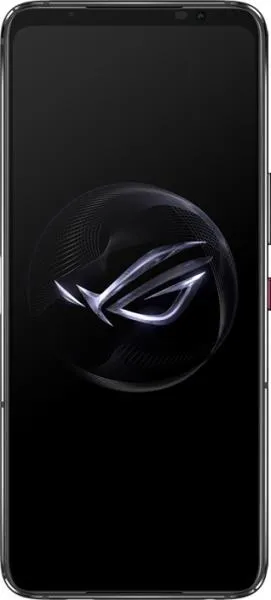
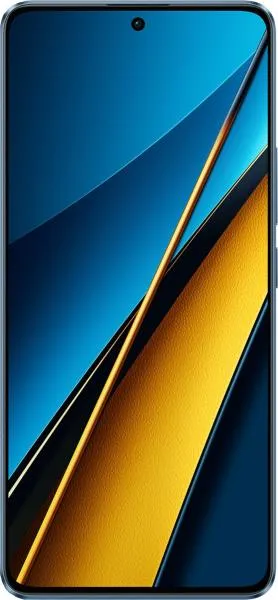
1. Specifications Comparison
| Feature | Asus ROG Phone 7 | Xiaomi Poco X6 | Practical Impact |
|---|---|---|---|
| Design | |||
| Dimensions (mm) | 173 x 77 x 10.3 | 161.2 x 74.3 x 8 | ROG Phone 7 is larger and thicker. Poco X6 is more pocketable. |
| Weight (g) | 239 | 181 | ROG Phone 7 is significantly heavier. Poco X6 is more comfortable for extended use. |
| Display | |||
| Size (inches) | 6.78 | 6.67 | Negligible size difference. |
| Resolution | 1080 x 2448 | 1220 x 2712 | Poco X6 has a sharper display due to higher resolution and smaller size. |
| Refresh Rate (Hz) | 165 | 120 | ROG Phone 7 offers smoother scrolling and animations, especially noticeable in gaming. |
| Display Type | AMOLED, 1B colors | AMOLED, 68B colors | Poco X6 boasts a wider color gamut potentially offering richer, more accurate colors. |
| Peak Brightness (nits) | 1500 | 1800 | Poco X6 can get brighter, improving outdoor visibility. |
| Performance | |||
| Chipset | Snapdragon 8 Gen 2 | Snapdragon 7s Gen 2 | ROG Phone 7 significantly outperforms in demanding tasks like gaming and video editing due to its flagship chipset. |
| CPU | Octa-core (1x3.2 GHz Cortex-X3 & 2x2.8 GHz Cortex-A715 & 2x2.8 GHz Cortex-A710 & 3x2.0 GHz Cortex-A510) | Octa-core (4x2.40 GHz Cortex-A78 & 4x1.95 GHz Cortex-A55) | ROG Phone 7's CPU architecture offers superior performance. |
| GPU | Adreno 740 | Adreno 710 | ROG Phone 7's GPU provides a much better gaming experience. |
| RAM (GB) | 12 | 12 | Both offer ample RAM for multitasking. |
| Camera | |||
| Main Camera (MP) | 50 (Sony IMX766) | 64 (Omnivision OV64B) | Poco X6 has higher megapixel count, but sensor quality and image processing are crucial and not fully detailed. |
| Ultrawide (MP) | 13 | 8 | ROG Phone 7 has a higher resolution ultrawide lens. |
| Video Recording | Up to 8K@24fps | Up to 4K@30fps | ROG Phone 7 offers higher resolution video recording. |
| Battery | |||
| Capacity (mAh) | 6000 | 5100 | ROG Phone 7 has significantly longer battery life. |
2. Key Differences Analysis
Asus ROG Phone 7 Advantages:
- Superior Performance: The Snapdragon 8 Gen 2 and Adreno 740 provide a significant performance advantage for gaming and demanding tasks.
- Higher Refresh Rate Display: Smoother experience for gaming and everyday use.
- Larger Battery: Significantly longer battery life.
- Higher Resolution Ultrawide Camera: Better quality ultrawide photos and videos.
- Higher Resolution Video Recording: Captures more detail.
Xiaomi Poco X6 Advantages:
- Sharper Display: Higher pixel density results in crisper visuals.
- Brighter Display: Better outdoor visibility.
- Wider Color Gamut: Potentially richer and more accurate colors on display.
- Lighter and More Compact: More comfortable for one-handed use and portability.
- Lower Price: Offers good value for its features.
3. User Profiles & Recommendations
Asus ROG Phone 7: Ideal for mobile gamers, power users, and those who prioritize performance and battery life.
Xiaomi Poco X6: Suitable for users who want a sharp, bright display, good overall performance, and excellent value for their money. Good for everyday tasks, social media, and media consumption.
4. Decision Framework
Key Questions for Buyers:
- What is your budget? The ROG Phone 7 is significantly more expensive.
- What is your primary use case? Gaming and demanding tasks favor the ROG Phone 7; everyday use, media consumption, and value favor the Poco X6.
- What are your priorities in a smartphone? Performance, battery life, display quality, and portability should be weighed against each other.
Scenario-Based Recommendations:
- Gamer: ROG Phone 7
- Budget-conscious user: Poco X6
- Power user needing long battery life: ROG Phone 7
- User prioritizing display quality and value: Poco X6
My Choice: Xiaomi Poco X6
While the Asus ROG Phone 7 offers undeniable performance advantages, the Xiaomi Poco X6 provides a compelling combination of features at a significantly lower price. As someone who values a sharp, bright display, comfortable ergonomics, and good overall performance for everyday tasks, the Poco X6 fits my needs better. The Snapdragon 7s Gen 2 is powerful enough for most applications, and the brighter, sharper display enhances media consumption. The price difference is substantial, making the Poco X6 a more practical and valuable choice for my usage. The ROG Phone 7 is undeniably powerful, but its extra performance capabilities are not essential for my usage and don't justify the higher price and bulkier design. The lack of specific camera sensor information makes a definitive camera comparison challenging, but the Poco X6 appears to offer a competitive camera system for everyday photography.
