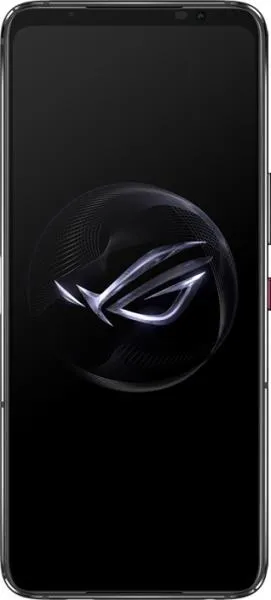
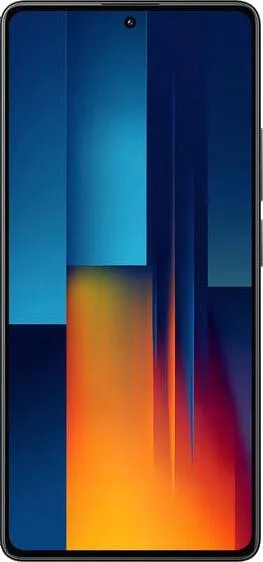
1. Specifications Comparison
| Feature | Asus ROG Phone 7 | Xiaomi Poco M6 Pro | Practical Impact |
|---|---|---|---|
| Design | |||
| Dimensions (mm) | 173 x 77 x 10.3 | 161.1 x 75 x 8 | ROG Phone 7 is larger and thicker. Poco M6 Pro is more pocketable. |
| Weight (g) | 239 | 179 | ROG Phone 7 is significantly heavier. Poco M6 Pro is more comfortable for extended use. |
| Build | (Missing) | (Missing) | Build materials impact durability and premium feel. This information is missing. |
| Display | |||
| Size (inches) | 6.78 | 6.67 | Negligible difference in screen real estate. |
| Resolution | 1080 x 2448 | 1080 x 2400 | Virtually identical sharpness. |
| Refresh Rate (Hz) | 165 | 120 | ROG Phone 7 offers smoother scrolling and animations, especially noticeable in gaming. |
| Display Type | AMOLED, 1B colors, HDR10+ | AMOLED | ROG Phone 7 boasts superior color accuracy (1B vs. unspecified) and HDR support for richer visuals. |
| Peak Brightness (nits) | 1500 | 1300 | ROG Phone 7 can be slightly more readable in direct sunlight. |
| Performance | |||
| Chipset | Snapdragon 8 Gen 2 | Helio G99 Ultra | ROG Phone 7 offers significantly faster CPU and GPU performance, crucial for demanding games and multitasking. |
| CPU | Octa-core (1x3.2 GHz Cortex-X3 & ...) | Octa-core (2x2.2 GHz Cortex-A76 & ...) | ROG Phone 7's more powerful CPU architecture delivers superior performance in demanding applications. |
| GPU | Adreno 740 | Mali-G57 MC2 | ROG Phone 7's Adreno 740 GPU provides a substantial gaming performance advantage. |
| RAM (GB) | 12 | 8/12 (depending on version) | More RAM in certain ROG Phone 7 configurations allows for smoother multitasking and better handling of demanding apps. |
| Camera | |||
| Main Camera (MP) | 50 (Sony IMX766) | 64 (Omnivision OV64B) | While Poco M6 Pro has higher resolution, sensor size and quality (IMX766) generally favor the ROG Phone 7 for better low-light performance and dynamic range. |
| Video Recording | Up to 8K@24fps | Up to 1080p@60fps | ROG Phone 7 allows for significantly higher resolution video recording. |
| Battery | |||
| Capacity (mAh) | 6000 | 5000 | ROG Phone 7 offers longer battery life. |
2. Key Differences Analysis
Asus ROG Phone 7 Advantages:
- Superior Performance: Snapdragon 8 Gen 2 provides a significant edge in gaming, multitasking, and demanding applications.
- Higher Refresh Rate Display: Smoother and more responsive visuals.
- Better Display Quality: Wider color gamut and HDR support for a more immersive viewing experience.
- Larger Battery: Longer usage time between charges.
- Higher Resolution Video Recording: Capture more detailed videos.
Xiaomi Poco M6 Pro Advantages:
- Lower Price: Significantly more affordable.
- Lighter and Thinner: More comfortable for one-handed use and portability.
3. User Profiles & Recommendations
Asus ROG Phone 7: Ideal for mobile gamers, power users, and those who demand top-tier performance and display quality. Excellent for demanding tasks, media consumption, and content creation.
Xiaomi Poco M6 Pro: Suitable for budget-conscious users who prioritize affordability and portability. Best for everyday tasks like browsing, social media, and casual gaming. Good value for its price.
4. Decision Framework
Key Questions for Buyers:
- What is your budget? The ROG Phone 7 is a premium device, while the Poco M6 Pro offers excellent value for its lower price.
- What are your primary use cases? Gamers and power users will appreciate the ROG Phone 7's performance. Casual users might find the Poco M6 Pro sufficient.
- How important is portability and comfort? The Poco M6 Pro's lighter weight and smaller size make it easier to handle.
Scenario-Based Recommendations:
- Gamer: ROG Phone 7
- Budget-conscious student: Poco M6 Pro
- Professional needing a reliable device: ROG Phone 7 (if performance is crucial), Poco M6 Pro (if budget is a major constraint)
My Choice: Asus ROG Phone 7
While the Poco M6 Pro offers incredible value, I would choose the Asus ROG Phone 7. As a smartphone analyst, I value top-tier performance and a premium user experience. The Snapdragon 8 Gen 2, high refresh rate display, superior color accuracy, and larger battery are compelling features that significantly enhance daily usage. The price difference is substantial, but the performance gap justifies the investment for my needs. While heavier, the superior performance and features of the ROG Phone 7 outweigh the portability benefit of the Poco M6 Pro for my usage.
