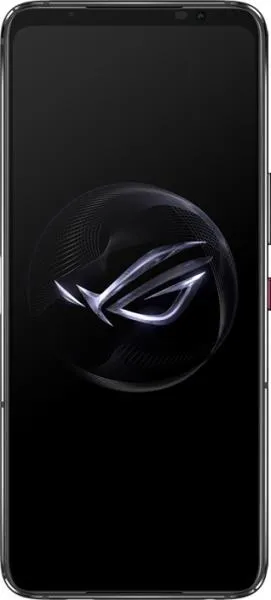
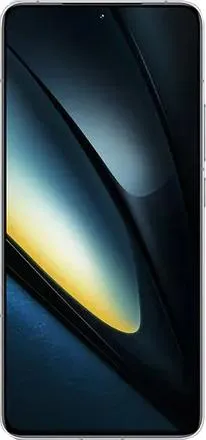
1. Specifications Comparison
| Feature | Asus ROG Phone 7 | Xiaomi Poco F6 Pro | Practical Impact |
|---|---|---|---|
| Design | |||
| Dimensions (mm) | 173 x 77 x 10.3 | 160.9 x 75 x 8.2 | Poco F6 Pro is noticeably smaller and thinner, making it more pocketable and easier to handle. ROG Phone 7 is thicker and heavier, potentially less comfortable for one-handed use. |
| Weight (g) | 239 | 209 | Significant weight difference; Poco F6 Pro will feel lighter and less fatiguing during extended use. |
| Display | |||
| Size (inches) | 6.78 | 6.67 | Negligible size difference in real-world usage. |
| Resolution | 1080 x 2448 | 1440 x 3200 | Poco F6 Pro has a significantly sharper display with higher pixel density (526 ppi vs 395 ppi), resulting in crisper text and images. |
| Refresh Rate (Hz) | 165 | 120 | ROG Phone 7 offers a smoother scrolling and gaming experience with its higher refresh rate, although 120Hz is still very smooth. |
| Peak Brightness (nits) | 1500 | 4000 | Poco F6 Pro boasts much higher peak brightness, ensuring better visibility in direct sunlight. |
| Color Depth | 1B | 68B | Poco F6 Pro supports a wider color gamut, potentially offering more vibrant and accurate colors. |
| HDR | HDR10+ | HDR10+, Dolby Vision | Both support HDR10+, but Poco F6 Pro adds Dolby Vision, expanding compatibility with HDR content. |
| Performance | |||
| Chipset | Snapdragon 8 Gen 2 | Snapdragon 8 Gen 2 | Identical chipsets, indicating similar performance capabilities. |
| CPU | Octa-core (1x3.2 GHz Cortex-X3 & 2x2.8 GHz Cortex-A715 & 2x2.8 GHz Cortex-A710 & 3x2.0 GHz Cortex-A510) | Octa-core (1x3.2 GHz Cortex-X3 & 2x2.8 GHz Cortex-A715 & 2x2.8 GHz Cortex-A710 & 3x2.0 GHz Cortex-A510) | Identical CPU configurations. |
| GPU | Adreno 740 | Adreno 740 | Identical GPUs. |
| RAM (GB) | 12/16 | 12/16 | Both offer ample RAM for multitasking and demanding applications. |
| Camera | |||
| Main Camera (MP) | 50 (Sony IMX766) | 50 (Omnivision OV50E) | Different sensors, though both 50MP; image quality comparison would require real-world testing. |
| Ultrawide (MP) | 13 | 8 | ROG Phone 7 has a higher resolution ultrawide camera. |
| Macro (MP) | 5 | 2 | ROG Phone 7 has a higher resolution macro camera. |
| Selfie (MP) | 32 | 16 | ROG Phone 7 has a significantly higher resolution front-facing camera, beneficial for video calls and selfies. |
| Optical Stabilization | No | Yes | Poco F6 Pro features OIS for the main camera, which should result in significantly improved video stability and low-light performance. |
| Battery | |||
| Capacity (mAh) | 6000 | 5000 | ROG Phone 7 has a larger battery, likely translating to longer battery life. |
2. Key Differences Analysis
Asus ROG Phone 7 Advantages:
- Higher Refresh Rate Display: Smoother for gaming and scrolling.
- Larger Battery: Potentially longer battery life.
- Higher Resolution Selfie Camera: Better quality for video calls and self-portraits.
- Gaming Focused Features: While not in the spec sheet, the ROG Phone series is known for gaming-centric features like shoulder triggers and advanced cooling, which might be crucial for mobile gamers.
Xiaomi Poco F6 Pro Advantages:
- Sharper Display: Higher resolution and pixel density for crisper visuals.
- Brighter Display: Much brighter for improved outdoor visibility.
- Wider Color Gamut: Potentially more vibrant colors.
- Dolby Vision: Enhanced HDR experience.
- Optical Image Stabilization: Improved video and low-light photography.
- Lower Price: Offers excellent value for its specifications.
- Smaller and Lighter: Easier to handle and carry.
3. User Profiles & Recommendations
Asus ROG Phone 7: Ideal for mobile gamers who prioritize performance and a high refresh rate display. The larger battery is also beneficial for extended gaming sessions.
Xiaomi Poco F6 Pro: Suitable for users seeking a well-rounded phone with a great display, excellent camera features, and strong performance at a competitive price point.
4. Decision Framework
Key Questions for Buyers:
- Is mobile gaming a top priority? If yes, the ROG Phone 7's gaming-focused features and higher refresh rate might be worth the premium.
- What is your budget? The Poco F6 Pro offers significantly better value for its price.
- Which display characteristics are most important? Consider whether you prioritize sharpness and brightness (Poco F6 Pro) or a higher refresh rate (ROG Phone 7).
My Choice: Xiaomi Poco F6 Pro
While the ROG Phone 7 excels in gaming-specific features (which aren't fully represented in the provided data), the Poco F6 Pro offers a more compelling overall package for my needs. The significantly sharper and brighter display, along with the crucial addition of Optical Image Stabilization for the camera, outweighs the benefits of the ROG Phone 7's higher refresh rate and larger battery. The Poco F6 Pro's smaller size and lighter weight are also preferable for daily use. Finally, the lower price point makes it a much more attractive value proposition. I am not a hardcore mobile gamer, so the specialized features of the ROG phone are less important to me than a great overall experience at a lower price.
