1. Specifications Comparison
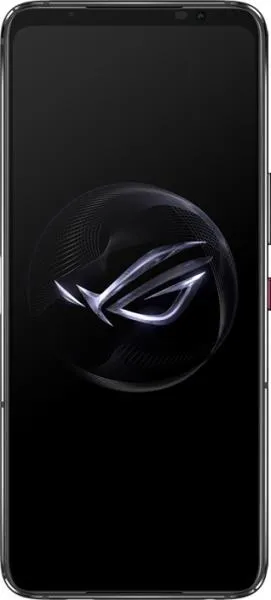
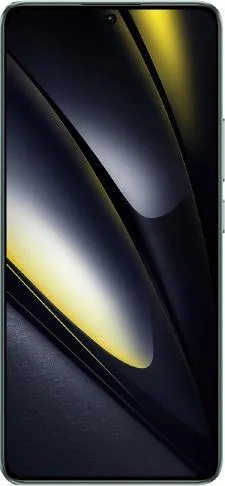
| Feature | Asus ROG Phone 7 | Xiaomi Poco F6 | Practical Impact |
|---|---|---|---|
| Design | |||
| Dimensions (mm) | 173 x 77 x 10.3 | 160.5 x 74.5 x 8 | ROG Phone 7 is larger and thicker. Poco F6 is more pocketable. |
| Weight (g) | 239 | 179 | ROG Phone 7 is significantly heavier. Poco F6 is more comfortable for extended use. |
| Display | |||
| Size (inches) | 6.78 | 6.67 | Negligible difference in screen real estate. |
| Resolution (px) | 1080 x 2448 | 1220 x 2712 | Poco F6 has a sharper display with higher pixel density. |
| Refresh Rate (Hz) | 165 | 120 | ROG Phone 7 offers smoother animations and scrolling, especially noticeable in gaming. |
| Peak Brightness (nits) | 1500 | 2400 | Poco F6 achieves significantly higher peak brightness, improving outdoor visibility. |
| Color Depth | 1B | 68B | Poco F6 offers a wider color gamut, resulting in more vibrant and accurate colors. |
| Performance | |||
| Chipset | Snapdragon 8 Gen 2 | Snapdragon 8s Gen 3 | Both are high-performance chipsets, but benchmarks suggest 8s Gen 3 might offer a slight edge in CPU performance while 8 Gen 2 might have a stronger GPU. |
| CPU | Octa-core (up to 3.2 GHz) | Octa-core (up to 3.0 GHz) | Both offer excellent performance, but specific core configurations and clock speeds suggest potential differences in sustained performance and efficiency; more detailed benchmarks are needed for conclusive comparison. |
| GPU | Adreno 740 | Adreno 735 | ROG Phone 7 likely has a slight advantage in graphics-intensive tasks like gaming. |
| RAM (GB) | 12/16 | 8/12 | ROG Phone 7 offers configurations with more RAM, benefiting multitasking and demanding applications. |
| Camera | |||
| Main Camera (MP) | 50 (Sony IMX766) | 50 (Sony IMX882) | Both use high-quality sensors; IMX882 in Poco F6 generally considered slightly superior due to larger sensor size and wider aperture, potentially resulting in better low-light performance. |
| Ultrawide (MP) | 13 | 8 | ROG Phone 7 has a higher resolution ultrawide lens. |
| Macro (MP) | 5 | None | ROG Phone 7 offers a dedicated macro camera. |
| Selfie (MP) | 32 | 20 | ROG Phone 7 has a higher resolution selfie camera. |
| Battery | |||
| Capacity (mAh) | 6000 | 5000 | ROG Phone 7 has significantly larger battery capacity, likely translating to longer battery life. |
2. Key Differences Analysis
Asus ROG Phone 7 Advantages:
- Higher Refresh Rate Display: Smoother experience for gaming and general use.
- Larger Battery: Longer battery life.
- Dedicated Macro Camera: Offers specialized macro photography capabilities.
- More RAM options: Better for multitasking and future-proofing.
Xiaomi Poco F6 Advantages:
- Sharper Display: More detailed visuals.
- Brighter Display: Improved outdoor visibility.
- Wider Color Gamut: More vibrant and accurate colors.
- Lighter and More Compact: Easier to handle and carry.
- Potentially Faster CPU (requires further benchmarking): Could provide better performance in some applications.
- Lower Price: Offers excellent value for its performance.
3. User Profiles & Recommendations
Asus ROG Phone 7: Ideal for mobile gamers who prioritize performance, high refresh rate displays, and long battery life. Also suitable for power users who demand top-tier hardware.
Xiaomi Poco F6: Suitable for users who value a sharp, bright display with vibrant colors. Its powerful performance and lower price make it a compelling option for general users and those seeking a balance between performance and affordability.
4. Decision Framework
Key Questions for Buyers:
- What is your primary use case? (Gaming, media consumption, general use)
- What is your budget? (High-end vs. mid-range)
- Which features are most important to you? (Display quality, performance, battery life, camera)
My Choice: Xiaomi Poco F6
While the ROG Phone 7 boasts a higher refresh rate and larger battery, the Poco F6's compelling combination of a stunning display, strong performance, lighter weight, and significantly lower price makes it the winner for me. I prioritize display quality and value, and the Poco F6 delivers exceptionally well in these areas. The slightly smaller battery is a reasonable trade-off for the substantial price difference and more pocketable form factor. Unless mobile gaming at the absolute highest refresh rate is a top priority, the Poco F6 offers a more well-rounded and compelling package for most users.
