
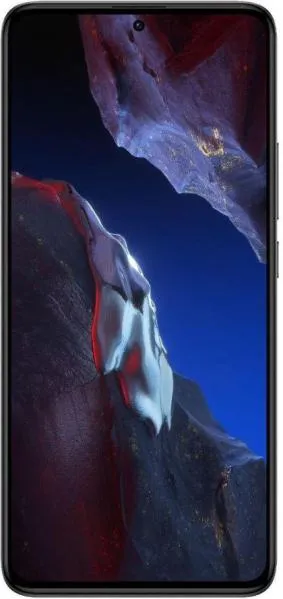
1. Specifications Comparison
| Feature | Asus ROG Phone 7 | Xiaomi Poco F5 Pro | Practical Impact |
|---|---|---|---|
| Design | |||
| Dimensions (mm) | 173 x 77 x 10.3 | 162.8 x 75.4 x 8.6 | ROG Phone 7 is larger and thicker. Poco F5 Pro is more pocketable. |
| Weight (g) | 239 | 204 | ROG Phone 7 is noticeably heavier. |
| Display | |||
| Size (inches) | 6.78 | 6.67 | Negligible difference in screen real estate. |
| Resolution | 1080 x 2448 | 1440 x 3200 | Poco F5 Pro has a sharper, more detailed display. |
| Refresh Rate | 165Hz | 120Hz | ROG Phone 7 offers smoother animations and scrolling, especially noticeable in gaming. |
| Display Type | AMOLED, 1B colors | AMOLED, 68B colors, Dolby Vision | Poco F5 Pro supports Dolby Vision for enhanced HDR content. Both offer vibrant colors with AMOLED technology. |
| Peak Brightness | 1500 nits | 1400 nits | Both are bright enough for outdoor use; slight advantage to ROG Phone 7. |
| Performance | |||
| Chipset | Snapdragon 8 Gen 2 | Snapdragon 8+ Gen 1 | ROG Phone 7 boasts a newer, more powerful processor, resulting in faster performance and better efficiency. |
| CPU | Octa-core (1x3.2 GHz Cortex-X3...) | Octa-core (1x3.0 GHz Cortex-X2...) | ROG Phone 7 has a slight edge in CPU performance due to the newer core architecture. |
| GPU | Adreno 740 | Adreno 730 | ROG Phone 7 has a more powerful GPU, beneficial for demanding games and graphics-intensive tasks. |
| RAM | 12GB | 8/12GB | ROG Phone 7 offers a 12GB RAM configuration in the compared model, providing better multitasking and smoother performance. |
| Camera | |||
| Main Camera | 50MP Sony IMX766 | 64MP Omnivision OV64B | Higher megapixel count on Poco F5 Pro doesn't guarantee better image quality. Real-world performance depends on sensor and processing. |
| Ultrawide | 13MP | 8MP | ROG Phone 7 has a higher resolution ultrawide camera. |
| Optical Stabilisation | No | Yes | Poco F5 Pro offers OIS for steadier videos and low-light photos. A significant advantage. |
| Battery | |||
| Capacity | 6000 mAh | 5160 mAh | ROG Phone 7 has a larger battery capacity, potentially offering longer battery life. |
2. Key Differences Analysis
Asus ROG Phone 7 Advantages:
- Superior Performance: The Snapdragon 8 Gen 2 provides a noticeable performance advantage for gaming and demanding tasks.
- Higher Refresh Rate Display: The 165Hz display offers a smoother visual experience.
- Larger Battery: The 6000mAh battery potentially translates to longer usage time.
- Gaming Focused Features: While not explicitly in the specs, ROG phones are known for gaming-centric features like shoulder triggers and advanced cooling.
Xiaomi Poco F5 Pro Advantages:
- Sharper Display: Higher resolution for crisper visuals.
- Dolby Vision: Enhanced HDR experience for compatible content.
- Optical Image Stabilization: Significantly improves photo and video quality, especially in low light.
- Lower Price: Positioned in a more affordable price range.
3. User Profiles & Recommendations
Asus ROG Phone 7: Ideal for mobile gamers who prioritize top-tier performance, smooth visuals, and long battery life. Enthusiasts who value the latest hardware will also appreciate this phone.
Xiaomi Poco F5 Pro: Suited for users seeking a balance between performance, multimedia consumption, and camera capabilities at a more competitive price. Good for general use, photography, and video recording.
4. Decision Framework
Key Questions for Buyers:
- What is your primary use case? (Gaming, photography, general use)
- What is your budget? (High-end vs. mid-range)
- Which features are most important to you? (Performance, camera, display, battery life)
Scenario-Based Recommendations:
- Hardcore Mobile Gamer: ROG Phone 7
- Balanced User with Photography Needs: Poco F5 Pro
- Budget-Conscious User with Performance Needs: Poco F5 Pro
My Choice: Xiaomi Poco F5 Pro
While the ROG Phone 7 offers superior performance and a higher refresh rate display, the Poco F5 Pro's optical image stabilization (OIS), sharper display with Dolby Vision, and lower price make it a more compelling overall package for me. I prioritize camera quality and value, and the Poco F5 Pro strikes a better balance in these areas. The performance difference between the two chipsets, while noticeable in benchmarks, is less significant in day-to-day usage for my needs. The substantial price difference makes the Poco F5 Pro a more sensible choice for a wider range of users. The ROG Phone 7's advantages are primarily geared towards a niche audience of hardcore mobile gamers.
