
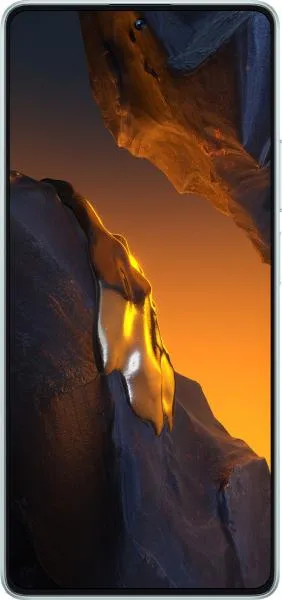
1. Specifications Comparison
| Feature | Asus ROG Phone 7 | Xiaomi Poco F5 | Practical Impact |
|---|---|---|---|
| Design | |||
| Dimensions (mm) | 173 x 77 x 10.3 | 161.1 x 75 x 7.9 | ROG Phone 7 is larger and thicker. Poco F5 is more pocketable. |
| Weight (g) | 239 | 181 | ROG Phone 7 is significantly heavier, potentially tiring for extended use. |
| Build | Not specified | Not specified | Build quality impact on durability and premium feel cannot be assessed. |
| Display | |||
| Size (inches) | 6.78 | 6.67 | Negligible difference in screen real estate. |
| Resolution | 1080 x 2448 | 1080 x 2400 | Virtually identical sharpness. |
| Refresh Rate (Hz) | 165 | 120 | ROG Phone 7 offers smoother scrolling and animations, especially noticeable in gaming. |
| Display Type | AMOLED, 1B colors | AMOLED, 68B colors | Both offer vibrant colors and deep blacks. The impact of 1B vs 68B colors is debatable in real-world usage. |
| Peak Brightness (nits) | 1500 | 1000 (stated), potentially higher | ROG Phone 7 should offer better visibility in direct sunlight. |
| Performance | |||
| Chipset | Snapdragon 8 Gen 2 | Snapdragon 7+ Gen 2 | ROG Phone 7 boasts a flagship chipset, significantly outperforming the Poco F5 in demanding tasks and gaming. |
| CPU | Octa-core (up to 3.2 GHz) | Octa-core (up to 2.91 GHz) | ROG Phone 7 has a faster, more powerful CPU. |
| GPU | Adreno 740 | Adreno 725 | ROG Phone 7 has a more powerful GPU, translating to better gaming performance and graphics rendering. |
| RAM | 12GB (reviewed model) | 8/12GB (variant dependent) | More RAM on the ROG Phone 7 enables better multitasking and smoother performance with numerous apps open. |
| Camera | |||
| Main Camera (MP) | 50 (Sony IMX766) | 64 (Omnivision OV64B) | While the Poco F5 has higher resolution, the Sony IMX766 sensor in the ROG Phone 7 is generally regarded as superior in image quality. |
| Ultrawide (MP) | 13 | 8 | ROG Phone 7 likely offers a slightly wider field of view but detailed comparison is not possible without lens specifications. |
| Video | Up to 8K@24fps | Up to 4K@30fps | ROG Phone 7 offers higher resolution video recording. |
| Battery | |||
| Capacity (mAh) | 6000 | 5000 | ROG Phone 7 offers longer battery life. |
2. Key Differences Analysis
Asus ROG Phone 7 Advantages:
- Superior Performance: The Snapdragon 8 Gen 2 and Adreno 740 provide a significant performance advantage for demanding tasks and gaming.
- Higher Refresh Rate Display: Smoother visuals, particularly beneficial for gaming.
- Larger Battery: Longer battery life.
- Potentially Brighter Display: Improved outdoor visibility.
Xiaomi Poco F5 Advantages:
- Lower Price: Offers excellent value for its performance.
- More Compact and Lighter: Easier to handle and carry.
- Dolby Vision Support: Enhanced video viewing experience for supported content.
3. User Profiles & Recommendations
Asus ROG Phone 7: Ideal for mobile gamers, power users, and those who prioritize top-tier performance and a smooth display. Excellent for demanding tasks, extended gaming sessions, and media consumption.
Xiaomi Poco F5: Suitable for budget-conscious users, casual gamers, and those who prioritize value for money. A good all-around phone for everyday tasks, social media, web browsing, and light gaming.
4. Decision Framework
Key Questions:
- What is your budget? The ROG Phone 7 is significantly more expensive.
- What is your primary use case? Gaming and demanding tasks favor the ROG Phone 7, while everyday use favors the Poco F5's value proposition.
- Do you prioritize portability? The Poco F5 is lighter and more compact.
Scenario-Based Recommendations:
- Hardcore Mobile Gamer: ROG Phone 7
- Budget-Conscious Student: Poco F5
- Professional needing a reliable all-rounder: Poco F5 (unless high performance is crucial)
My Choice: Xiaomi Poco F5
While the Asus ROG Phone 7 is undeniably a performance powerhouse, the Xiaomi Poco F5 offers incredible value for its price. As a smartphone analyst, I appreciate top-tier specs, but I also recognize the diminishing returns beyond a certain point for average users. The Poco F5's Snapdragon 7+ Gen 2 is powerful enough for most tasks, and its lighter, more compact design is preferable for daily use. The price difference is substantial, and unless mobile gaming at the highest settings is a top priority, the Poco F5 strikes a better balance between performance, features, and affordability. The ROG Phone 7 caters to a niche audience, whereas the Poco F5 excels in its broader appeal.
