1. Specifications Comparison
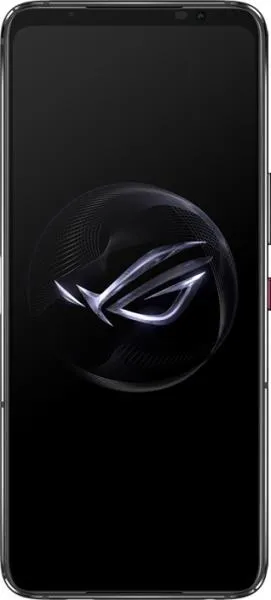
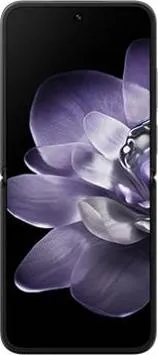
| Feature | Asus ROG Phone 7 | Xiaomi Mix Flip | Practical Impact |
|---|---|---|---|
| Design | |||
| Dimensions (mm) | 173 x 77 x 10.3 | 167.5 x 74 x 7.6 | Mix Flip is significantly thinner and slightly shorter, making it more pocketable. ROG Phone 7 is wider and thicker, potentially less comfortable for one-handed use. |
| Weight (g) | 239 | 190 | Mix Flip is noticeably lighter, reducing hand fatigue during extended use. |
| Foldable | No | Yes | Mix Flip offers a larger screen in a smaller form factor when folded, enhancing portability. |
| Display | |||
| Size (inches) | 6.78 | 6.86 | Mix Flip has a slightly larger display area. |
| Resolution (px) | 1080 x 2448 | 1224 x 2912 | Mix Flip has a sharper display due to higher resolution. |
| Type | AMOLED | Foldable LTPO AMOLED | Mix Flip's LTPO panel potentially offers better power efficiency with dynamic refresh rate adjustment. Foldable screen introduces a crease but allows for compact storage. |
| Refresh Rate (Hz) | 165 | 120 | ROG Phone 7 offers smoother scrolling and animations with its higher refresh rate, beneficial for gaming. |
| Peak Brightness (nits) | 1500 | 3000 | Mix Flip boasts significantly higher peak brightness, ensuring better visibility in direct sunlight. |
| Performance | |||
| Chipset | Snapdragon 8 Gen 2 | Snapdragon 8 Gen 3 | Mix Flip benefits from a newer generation chipset, likely resulting in faster performance and improved power efficiency. |
| CPU | Octa-core (1x3.2 GHz Cortex-X3 & ...) | Octa-core (1x3.3 GHz Cortex-X4 & ...) | Mix Flip has a slightly faster prime core and newer architecture, providing a performance advantage in demanding tasks. |
| GPU | Adreno 740 | Adreno 750 | Mix Flip's newer GPU likely offers improved graphics performance for gaming and other visually intensive applications. |
| RAM (GB) | 12 | 12 | Both phones offer ample RAM for multitasking. |
| Camera | |||
| Rear Cameras | 50MP Main, 13MP Wide, 5MP Macro | 50MP Main, 60MP Telephoto | Mix Flip features a higher resolution telephoto lens for better zoom capabilities compared to ROG Phone 7's macro lens. |
| Selfie Camera | 32MP | 32MP | Comparable selfie camera resolution. |
| Battery | |||
| Capacity (mAh) | 6000 | 4780 | ROG Phone 7 has a significantly larger battery, likely resulting in longer battery life. |
2. Key Differences Analysis
Asus ROG Phone 7 Advantages:
- Higher Refresh Rate Display: Smoother gaming and overall UI experience.
- Significantly Larger Battery: Longer usage time between charges.
- Specialized Gaming Features: While not detailed in the specs, ROG phones are known for gaming-centric features like shoulder triggers and advanced cooling systems.
Xiaomi Mix Flip Advantages:
- Newer, More Powerful Chipset: Faster performance and better efficiency.
- Foldable Design: Enhanced portability and a larger screen when unfolded.
- Brighter Display: Improved outdoor visibility.
- Superior Telephoto Camera: Enhanced zoom capabilities for photography.
3. User Profiles & Recommendations
Asus ROG Phone 7: Ideal for mobile gamers who prioritize performance, high refresh rate displays, and long battery life.
Xiaomi Mix Flip: Suitable for users who value portability, a large screen, innovative design, and good all-around performance. The improved camera system with a telephoto lens caters to photography enthusiasts.
4. Decision Framework
Key Questions for Buyers:
- Is gaming a top priority? If yes, the ROG Phone 7's higher refresh rate and larger battery are significant advantages.
- How important is portability? The Mix Flip's foldable design offers a larger screen in a more compact form factor.
- What is your budget? Both are high-priced, but the final retail price should be compared.
Scenario-Based Recommendations:
- Heavy gamer with a limited budget: ROG Phone 7
- Professional who values portability and a large screen: Xiaomi Mix Flip
- Photography enthusiast who needs a compact device: Xiaomi Mix Flip
My Choice: Xiaomi Mix Flip
While the ROG Phone 7 excels in gaming performance and battery life, the Xiaomi Mix Flip's foldable design, newer chipset, superior camera system, and brighter display are more compelling to me. I prioritize portability and appreciate the innovative form factor. The performance difference between the Snapdragon 8 Gen 2 and Gen 3, while noticeable, wouldn't be a deal-breaker for my usage. The Mix Flip's foldable screen allows for a larger display in a pocket-friendly size, which is a significant advantage for daily use. While the smaller battery is a drawback, the potential power efficiency of the LTPO display mitigates this somewhat. Ultimately, the Mix Flip's blend of innovation, portability, and performance aligns better with my personal preferences.
