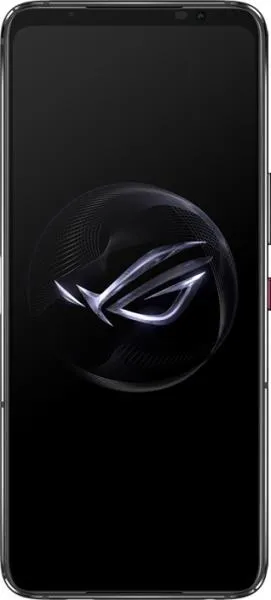
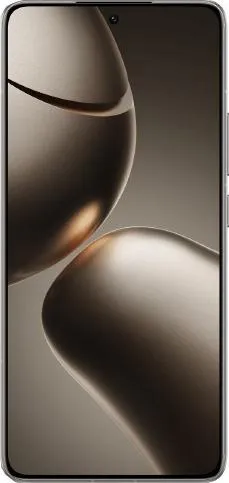
1. Specifications Comparison
| Feature | Asus ROG Phone 7 | Xiaomi 14T Pro | Practical Impact |
|---|---|---|---|
| Design | |||
| Dimensions (mm) | 173 x 77 x 10.3 | 160.4 x 75.1 x 8.4 | Xiaomi 14T Pro is noticeably smaller and thinner, making it more pocketable and easier to handle. |
| Weight (g) | 239 | 209 | The ROG Phone 7 is significantly heavier, potentially tiring for extended use. |
| Build | Not specified | Not specified | Build quality impact on durability and premium feel cannot be assessed. |
| Display | |||
| Size (inches) | 6.78 | 6.67 | Negligible difference in screen real estate. |
| Resolution | 1080 x 2448 | 1220 x 2712 | The Xiaomi 14T Pro has a sharper display with higher pixel density, resulting in clearer text and images. |
| Refresh Rate (Hz) | 165 | 144 | Both offer high refresh rates for smooth scrolling and gaming; the ROG Phone 7 has a slight edge. |
| Peak Brightness (nits) | 1500 | 4000 | The Xiaomi 14T Pro boasts significantly higher peak brightness, ensuring better visibility in direct sunlight. |
| Color Depth | 1B | 68B | Xiaomi 14T Pro offers a wider color gamut for more vibrant and accurate color reproduction. |
| Performance | |||
| Chipset | Snapdragon 8 Gen 2 | Dimensity 9300+ | Both are flagship-level chipsets, but real-world performance differences require benchmark comparisons. |
| CPU | Octa-core (1x3.2 GHz Cortex-X3 & ...) | Octa-core (1x3.4 GHz Cortex-X4 & ...) | Both offer powerful CPU configurations. Specific core architecture differences require further analysis for practical impact. |
| GPU | Adreno 740 | Immortalis-G720 MC12 | GPU performance differences require benchmark comparisons to determine real-world gaming and graphics capabilities. |
| RAM (GB) | 12 | 12 | Both offer ample RAM for multitasking and demanding applications. |
| Camera | |||
| Main Camera (MP) | 50 (Sony IMX766) | 50 (OmniVision OVX9000) | Both phones feature high-resolution main sensors. Image quality depends on sensor size, processing, and other factors. Direct comparison requires image samples. |
| Ultrawide (MP) | 13 | 12 | Minor difference in ultrawide resolution. |
| Telephoto (MP) | N/A | 50 (Samsung S5KJN1) | Xiaomi 14T Pro has a dedicated telephoto lens for optical zoom, a significant advantage for capturing distant subjects. |
| Video Capabilities | Up to 8K@24fps | Up to 8K@30fps & 960fps slow-mo | Xiaomi 14T Pro offers slightly better video recording capabilities, especially with higher frame rate 8K and extreme slow-motion. |
| Battery | |||
| Capacity (mAh) | 6000 | 5000 | ROG Phone 7 has a larger battery, potentially offering longer battery life. |
| Charging Speed | Not specified | Not specified | Charging speed comparison is impossible without specific data. |
2. Key Differences Analysis
Asus ROG Phone 7 Advantages:
- Larger battery capacity potentially leading to longer usage time.
- Slightly higher display refresh rate for smoother visuals.
- Dedicated gaming features (though not detailed in specs). ROG phones typically come with enhanced cooling, shoulder buttons, and software optimizations for gaming.
Xiaomi 14T Pro Advantages:
- Sharper, brighter display with wider color gamut.
- More compact and lighter design for easier handling.
- Dedicated telephoto lens for optical zoom.
- Higher resolution and frame rate video recording capabilities.
- Lower price point.
Trade-offs:
- ROG Phone 7: Bulkier and heavier design for potentially longer battery life and gaming features.
- Xiaomi 14T Pro: Smaller battery capacity for a more sleek and portable form factor.
3. User Profiles & Recommendations
Asus ROG Phone 7: Ideal for mobile gamers who prioritize performance, battery life, and specialized gaming features. Suitable for power users who demand long usage sessions.
Xiaomi 14T Pro: Suitable for users seeking a balance of performance, camera capabilities, display quality, and portability. Excellent for photography enthusiasts and content consumers. The lower price makes it a strong value proposition.
4. Decision Framework
Key Questions for Buyers:
- What is your primary use case? (Gaming, photography, general use)
- What is your budget? (High-end vs. mid-range)
- What form factor do you prefer? (Large and powerful vs. compact and portable)
Scenario-Based Recommendations:
- Heavy gamer with a high budget: ROG Phone 7
- Photography enthusiast seeking a well-rounded phone: Xiaomi 14T Pro
- Average user on a budget: Xiaomi 14T Pro
My Choice: Xiaomi 14T Pro
While the ROG Phone 7 excels in gaming-specific features and potentially battery life, the Xiaomi 14T Pro offers a more compelling overall package for my needs. The sharper display, superior camera system with a telephoto lens, lighter and more pocketable design, and lower price point make it a clear winner for me. I prioritize a balance of features and portability for everyday use, and the Xiaomi 14T Pro delivers that effectively. The significant jump in display quality and the inclusion of a telephoto lens are substantial advantages that outweigh the ROG Phone 7's gaming focus and larger battery for my personal preferences. Finally, the lower price of the Xiaomi 14T Pro makes it a much more attractive value proposition.
