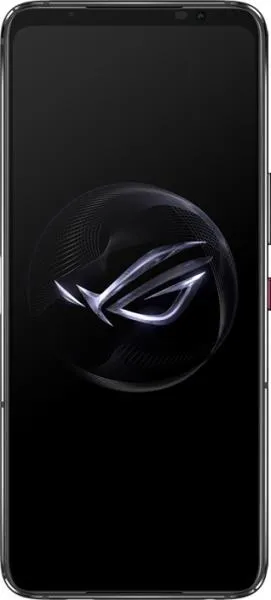
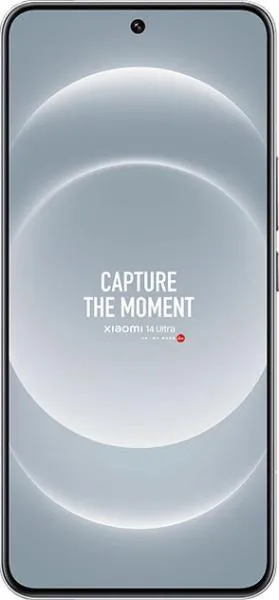
1. Specifications Comparison
| Feature | Asus ROG Phone 7 | Xiaomi 14 Ultra | Practical Impact |
|---|---|---|---|
| Design | |||
| Dimensions (mm) | 173 x 77 x 10.3 | 161.4 x 75.3 x 9.2 | Xiaomi 14 Ultra is noticeably smaller and thinner, making it potentially more pocketable and comfortable for one-handed use. |
| Weight (g) | 239 | 229.5 | While the weight difference is minimal, the Xiaomi 14 Ultra is slightly lighter. |
| Build Materials | Missing | Missing | Cannot compare build quality and durability without this information. |
| Display | |||
| Display Size (inches) | 6.78 | 6.73 | Negligible difference in screen real estate. |
| Resolution (pixels) | 1080 x 2448 | 1440 x 3200 | Xiaomi 14 Ultra offers significantly sharper visuals due to higher resolution (QHD+ vs. FHD+). Text, images, and videos will appear clearer and more detailed. |
| Refresh Rate (Hz) | 165 | 120 | ROG Phone 7 provides smoother animations and scrolling with its higher refresh rate, especially noticeable in gaming and fast-paced content. |
| Peak Brightness (nits) | 1500 | 3000 | Xiaomi 14 Ultra's much higher peak brightness ensures superior outdoor visibility in direct sunlight. |
| Display Type | AMOLED | LTPO AMOLED | Xiaomi's LTPO AMOLED allows for dynamic refresh rate adjustment, potentially saving battery life by lowering the refresh rate during static content. |
| Performance | |||
| Chipset | Snapdragon 8 Gen 2 | Snapdragon 8 Gen 3 | Xiaomi 14 Ultra boasts a newer generation chipset, resulting in faster processing speeds, improved graphics performance, and better power efficiency. |
| CPU | Octa-core (up to 3.2 GHz) | Octa-core (up to 3.3 GHz) | Xiaomi 14 Ultra has a slightly faster CPU clock speed and a newer architecture (Cortex-X4 vs. Cortex-X3), leading to a performance advantage in demanding tasks. |
| GPU | Adreno 740 | Adreno 750 | Xiaomi 14 Ultra's newer GPU delivers better gaming performance and smoother graphics rendering. |
| RAM | 12GB (tested model) | 16GB (tested model) | Xiaomi 14 Ultra offers more RAM, enabling better multitasking and smoother performance when running multiple apps or demanding games. However, both configurations offer ample RAM for most users. |
| Camera | |||
| Main Camera (MP) | 50 MP (Sony IMX766) | 50 MP (Sony LYT-900, 1-inch sensor) | Xiaomi 14 Ultra utilizes a larger 1-inch sensor, which captures more light, resulting in significantly improved image quality, especially in low-light conditions. Its wider aperture (f/1.63 vs. f/1.9) further enhances low-light performance. |
| Ultrawide (MP) | 13 MP | 50 MP | The Xiaomi 14 Ultra features a much higher resolution ultrawide camera, offering more detail and flexibility. |
| Telephoto | Limited info provided | Triple Telephoto with varying zoom levels | Xiaomi 14 Ultra provides significantly more versatile zoom capabilities. |
| Battery | |||
| Capacity (mAh) | 6000 | 5000 | ROG Phone 7 has a larger battery, likely leading to longer battery life. However, real-world usage will depend on various factors, including display settings and usage patterns. |
2. Key Differences Analysis
Asus ROG Phone 7 Advantages:
- Higher Refresh Rate: Smoother display for gaming and fast-paced content.
- Larger Battery: Potentially longer battery life.
- Specialized Gaming Features: Likely includes gaming-centric software and hardware features (not detailed in provided specs).
Xiaomi 14 Ultra Advantages:
- Superior Display: Sharper resolution, brighter display, LTPO technology for battery efficiency.
- More Powerful Performance: Newer generation chipset and GPU for faster processing and better graphics.
- Significantly Better Camera System: Larger sensor, wider aperture, and more versatile zoom capabilities.
- More Compact Design: Smaller and thinner for easier one-handed use.
Trade-offs:
- ROG Phone 7 sacrifices display sharpness and camera quality for a higher refresh rate and larger battery, prioritizing gaming performance.
- Xiaomi 14 Ultra prioritizes overall performance, display quality, and camera capabilities, potentially compromising slightly on battery life compared to the ROG Phone 7.
3. User Profiles & Recommendations
Asus ROG Phone 7: Ideal for mobile gamers who prioritize high refresh rates and long battery life. Suitable for users who heavily consume media and require a smooth display experience.
Xiaomi 14 Ultra: Ideal for users who demand top-tier performance, a brilliant display, and a versatile camera system. Suitable for photography enthusiasts, content creators, and power users who value overall excellence.
4. Decision Framework
Key Questions:
- What is your primary use case for a smartphone? (Gaming, photography, general use)
- What is your budget? (ROG Phone 7 is listed as "high price" while Xiaomi 14 Ultra is "medium price," indicating a potential price difference)
- What features are most important to you? (Display quality, camera performance, battery life, gaming performance)
Scenario-Based Recommendations:
- Heavy Mobile Gamer: ROG Phone 7
- Photography Enthusiast: Xiaomi 14 Ultra
- Balanced User Seeking Overall Excellence: Xiaomi 14 Ultra
- Budget-Conscious User Prioritizing Performance: Need more pricing information to make a clear recommendation.
My Choice: Xiaomi 14 Ultra
While the ROG Phone 7 excels in gaming-specific areas like refresh rate and battery capacity, the Xiaomi 14 Ultra offers a more well-rounded package that caters to a wider range of needs. Its superior display, significantly better camera system powered by the 1-inch sensor, more powerful processor, and more compact design make it a compelling choice. The LTPO display mitigates some battery concerns. While the ROG Phone 7 might have a slight edge in battery life, the Xiaomi 14 Ultra's advancements in other crucial areas make it the more desirable option for me. I value a great camera, beautiful display, and fast performance in my daily usage, making the Xiaomi 14 Ultra the clear winner.
