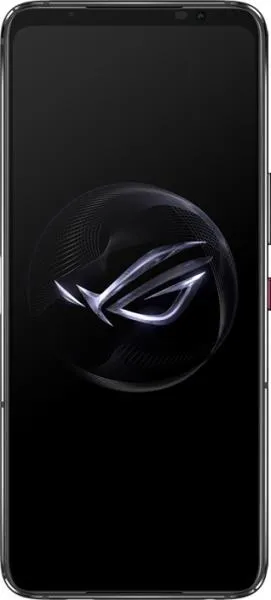
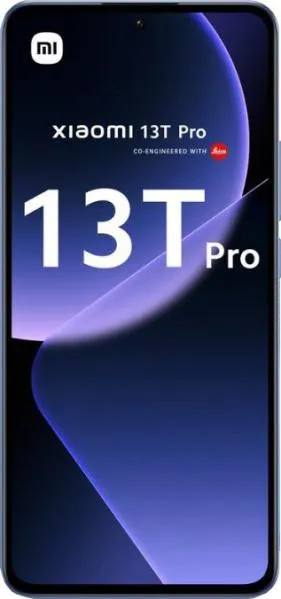
1. Specifications Comparison
| Feature | Asus ROG Phone 7 | Xiaomi 13T Pro | Practical Impact |
|---|---|---|---|
| Design | |||
| Dimensions (mm) | 173 x 77 x 10.3 | 162.2 x 75.7 x 8.5 | Xiaomi 13T Pro is noticeably smaller and thinner, making it more pocketable and easier to handle. |
| Weight (g) | 239 | 200 | The ROG Phone 7 is significantly heavier, potentially causing fatigue during extended use. |
| Display | |||
| Size (inches) | 6.78 | 6.67 | Negligible difference in screen real estate. |
| Resolution | 1080 x 2448 | 1220 x 2712 | The 13T Pro has a sharper display with higher pixel density, resulting in crisper text and images. |
| Refresh Rate (Hz) | 165 | 144 | Both offer high refresh rates for smooth scrolling and gaming, but the ROG Phone 7 has a slight edge. |
| Peak Brightness (nits) | 1500 | 2600 | The 13T Pro's significantly higher peak brightness ensures better visibility in direct sunlight. |
| Color Depth | 1B | 68B | 13T Pro offers a wider color gamut for more vibrant and accurate color reproduction. |
| Performance | |||
| Chipset | Snapdragon 8 Gen 2 | Dimensity 9200+ | Both are top-tier chipsets offering excellent performance. Dimensity 9200+ benchmarks slightly higher in some areas. Real-world difference likely minimal for average users. |
| CPU | Octa-core (1x3.2 GHz Cortex-X3 & 2x2.8 GHz Cortex-A715 & 2x2.8 GHz Cortex-A710 & 3x2.0 GHz Cortex-A510) | Octa-core (1x3.35 GHz Cortex-X3 & 3x3.0 GHz Cortex-A715 & 4x2.0 GHz Cortex-A510) | Both CPUs are powerful, with the 9200+ potentially offering a slight edge in multi-core performance. |
| GPU | Adreno 740 | Immortalis-G715 MC11 | Both GPUs deliver high-end graphics performance. Specific game performance may vary. |
| RAM (GB) | 12 | 12 | Both offer ample RAM for multitasking and demanding applications. |
| Camera | |||
| Main Camera (MP) | 50 (Sony IMX766) | 50 (Sony IMX707) | IMX707 in the 13T Pro generally considered slightly superior due to larger sensor size, potentially capturing more light and detail. |
| Telephoto | No dedicated telephoto | 50MP Telephoto | The 13T Pro offers optical zoom capability, absent in the ROG Phone 7. |
| Ultrawide (MP) | 13 | 13 | Similar ultrawide capabilities. |
| DxOMark Score | Not Available | 131 | DxOMark provides a quantitative measure of camera quality, favoring the 13T Pro. Real-world results may vary. |
| Battery | |||
| Capacity (mAh) | 6000 | 5000 | The ROG Phone 7 has a larger battery capacity, potentially offering longer battery life. |
2. Key Differences Analysis
Asus ROG Phone 7 Advantages:
- Higher Refresh Rate Display: Smoother experience for gaming and scrolling.
- Larger Battery: Potentially longer usage time between charges.
- Gaming-Focused Features: Likely includes software and hardware optimizations for gaming (not detailed in specs).
Xiaomi 13T Pro Advantages:
- Superior Camera System: Notably better main sensor and the inclusion of a telephoto lens.
- Sharper Display: Higher resolution and pixel density for a crisper viewing experience.
- Brighter Display: Significantly better visibility outdoors.
- Lighter and More Compact: Easier to handle and carry.
- Lower Price: Offers excellent value for its specifications.
3. User Profiles & Recommendations
Asus ROG Phone 7: Ideal for mobile gamers who prioritize performance and battery life over camera quality and portability.
Xiaomi 13T Pro: Suitable for users who value a well-rounded smartphone experience with a strong emphasis on camera quality and display clarity, alongside excellent performance. A good choice for those seeking a balance of features and price.
4. Decision Framework
Key Questions for Buyers:
- Is mobile gaming your primary use case? If yes, the ROG Phone 7's gaming-centric features and larger battery might be appealing.
- How important is camera quality? The Xiaomi 13T Pro significantly outperforms the ROG Phone 7 in this area.
- What is your budget? The Xiaomi 13T Pro offers a better price-to-performance ratio.
My Choice: Xiaomi 13T Pro
While the ROG Phone 7 excels in specific areas like gaming and battery life, the Xiaomi 13T Pro offers a more compelling overall package for my needs. The superior camera system, sharper and brighter display, lighter weight, and lower price are significant advantages. I prioritize a versatile device with a strong camera and excellent display for everyday use, and the 13T Pro delivers on those fronts without compromising on performance. While I acknowledge the ROG Phone 7's gaming prowess, it's a niche feature that I wouldn't fully utilize, making the 13T Pro a more sensible choice.
