1. Specifications Comparison
| Feature | Asus ROG Phone 7 | Xiaomi 13T | Practical Impact |
|---|---|---|---|
| Design | |||
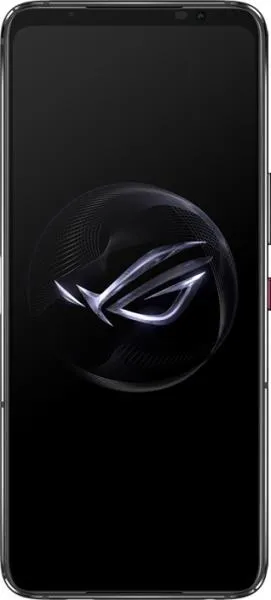
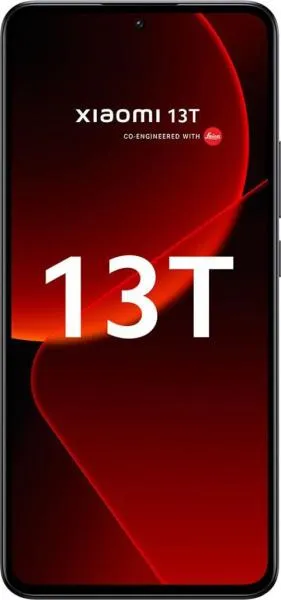
| Dimensions (mm) | 173 x 77 x 10.3 | 162.2 x 75.7 x 8.5 | ROG Phone 7 is larger and thicker. Xiaomi 13T is more pocketable. |
| Weight (g) | 239 | 193 | ROG Phone 7 is noticeably heavier, impacting one-handed use. |
| Build | Not specified | Not specified | Build materials impact durability and premium feel; information lacking here. |
| Display | |||
| Size (inches) | 6.78 | 6.67 | Negligible size difference. |
| Resolution | 1080 x 2448 | 1220 x 2712 | Xiaomi 13T has a sharper display (higher pixel density). |
| Refresh Rate (Hz) | 165 | 144 | Both offer high refresh rates for smooth scrolling and gaming, but ROG Phone 7 has a slight edge. |
| Peak Brightness (nits) | 1500 | 2600 | Xiaomi 13T offers significantly higher peak brightness, improving outdoor visibility. |
| Color Depth | 1B | 68B | Xiaomi 13T supports a wider color gamut for more vibrant visuals. |
| HDR Support | HDR10+ | HDR10+, Dolby Vision | Xiaomi 13T adds Dolby Vision support for enhanced HDR content. |
| Performance | |||
| Chipset | Snapdragon 8 Gen 2 | Dimensity 8200 Ultra | Both are high-performance chipsets, but Snapdragon 8 Gen 2 generally benchmarks higher. |
| CPU | Octa-core (1x3.2 GHz Cortex-X3 & 2x2.8 GHz Cortex-A715 & 2x2.8 GHz Cortex-A710 & 3x2.0 GHz Cortex-A510) | Octa-core (1x3.1 GHz Cortex-A78 & 3x3.0 GHz Cortex-A78 & 4x2.0 GHz Cortex-A55) | ROG Phone 7's CPU architecture is more modern and powerful. |
| GPU | Adreno 740 | Mali-G610 MC6 | Adreno 740 generally provides better gaming performance. |
| RAM (GB) | 12/16 | 12 | More RAM in some ROG Phone 7 variants can improve multitasking, but 12GB is sufficient for most users. |
| Camera | |||
| Main Camera (MP) | 50 (Sony IMX766) | 50 (Sony IMX707) | Xiaomi 13T's IMX707 sensor generally performs better in low light due to its larger sensor size. |
| Telephoto | No | 50MP (OV50D40) | Xiaomi 13T offers a dedicated telephoto lens for optical zoom. |
| Ultrawide (MP) | 13 | 13 | Comparable ultrawide cameras. |
| Video Recording | Up to 8K@24fps | Up to 4K@30fps | ROG Phone 7 offers higher resolution video recording. |
| Battery | |||
| Capacity (mAh) | 6000 | 5000 | ROG Phone 7 has a larger battery, potentially providing longer battery life. |
2. Key Differences Analysis
Asus ROG Phone 7 Advantages:
- Higher Peak Performance: The Snapdragon 8 Gen 2 and Adreno 740 offer a performance advantage, especially for demanding games.
- Higher Resolution Video Recording: Capable of recording 8K video.
- Larger Battery: 6000mAh battery for extended usage.
- Higher Refresh Rate Display: Smoother experience, especially in gaming.
Xiaomi 13T Advantages:
- Sharper Display: Higher pixel density for crisper visuals.
- Brighter Display: Much brighter for better outdoor visibility.
- Better Main Camera Sensor: IMX707 generally offers better low-light performance.
- Dedicated Telephoto Lens: Optical zoom capabilities for versatile photography.
- Lower Price: Positioned in a more affordable price range.
- Dolby Vision: Enhanced HDR experience for supported content.
3. User Profiles & Recommendations
Asus ROG Phone 7: Ideal for hardcore mobile gamers who prioritize peak performance and a high refresh rate display. The larger battery also benefits extended gaming sessions.
Xiaomi 13T: Suitable for users seeking a well-rounded phone with a great display, versatile camera system (including telephoto), and good performance at a more affordable price. Excellent for content consumption and everyday photography.
4. Decision Framework
Key Questions:
- What is your budget? The ROG Phone 7 is significantly more expensive.
- Is mobile gaming a top priority? If so, the ROG Phone 7's performance advantage is crucial.
- Do you value camera versatility and display quality? The Xiaomi 13T excels in these areas.
Scenario-Based Recommendations:
- Gamer with a high budget: ROG Phone 7
- General user seeking a balanced phone: Xiaomi 13T
- Photography enthusiast on a budget: Xiaomi 13T
My Choice: Xiaomi 13T
While the ROG Phone 7 boasts impressive performance, the Xiaomi 13T offers a more compelling overall package for my needs. The superior display, versatile camera system with a telephoto lens, and significantly lower price are key factors. I prioritize a sharp, bright display for content consumption and a good camera for everyday photography. Although the ROG Phone 7 has a slight edge in gaming performance, the Xiaomi 13T still offers excellent performance for most tasks and games. The price difference makes the Xiaomi 13T a much better value proposition for me. I also appreciate the inclusion of Dolby Vision. The slightly smaller battery is a trade-off I am willing to make for the other advantages.
