1. Specifications Comparison
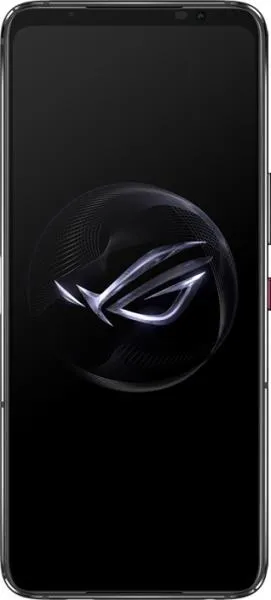
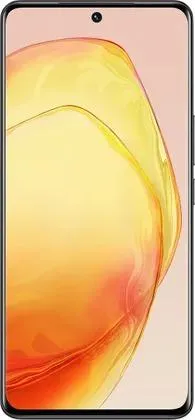
| Feature | Asus ROG Phone 7 | vivo V29 | Practical Impact |
|---|---|---|---|
| Design | |||
| Dimensions (mm) | 173 x 77 x 10.3 | 164.2 x 74.4 x 7.5 | ROG Phone 7 is thicker and heavier, potentially less comfortable for one-handed use. Vivo V29 is significantly thinner and lighter, prioritizing portability. |
| Weight (g) | 239 | 186 | |
| Display | |||
| Size (inches) | 6.78 | 6.78 | Same screen size. |
| Resolution (pixels) | 1080 x 2448 | 1260 x 2800 | Vivo V29 has a sharper display due to higher resolution, resulting in clearer text and images. |
| Refresh Rate (Hz) | 165 | 120 | ROG Phone 7 offers smoother scrolling and animations thanks to the higher refresh rate, especially noticeable in gaming. |
| Display Type | AMOLED, 1B colors, HDR10+ | AMOLED, 1B colors, HDR10+ | Both feature high-quality AMOLED displays with vibrant colors and HDR support. |
| Peak Brightness (nits) | 1500 | 1300 | ROG Phone 7 can achieve higher brightness, improving outdoor visibility. |
| Performance | |||
| Chipset | Snapdragon 8 Gen 2 | Snapdragon 778G 5G | ROG Phone 7 significantly outperforms in demanding tasks and gaming due to the flagship Snapdragon 8 Gen 2. Vivo V29 offers good performance for everyday use but lags behind in high-end tasks. |
| CPU | Octa-core (up to 3.2 GHz) | Octa-core (up to 2.4 GHz) | |
| GPU | Adreno 740 | Adreno 642L | |
| RAM (GB) | 12/16 | 8/12 | ROG Phone 7 offers more RAM in certain configurations, enabling better multitasking and smoother performance with demanding applications. |
| Camera | |||
| Main Camera (MP) | 50 (Sony IMX766) | 50 | Both have 50MP main sensors, but the ROG Phone 7 utilizes the well-regarded Sony IMX766 sensor, potentially offering better image quality. Sensor details for the Vivo V29 are missing, limiting a detailed comparison. |
| Video Recording | Up to 8K@24fps | Up to 4K@30fps | ROG Phone 7 supports higher resolution video recording. |
| Battery | |||
| Capacity (mAh) | 6000 | 4600 | ROG Phone 7 offers significantly longer battery life thanks to the larger capacity. |
2. Key Differences Analysis
Asus ROG Phone 7 Advantages:
- Superior Performance: The Snapdragon 8 Gen 2 and higher RAM configurations provide a significant performance advantage for gaming and demanding tasks.
- Smoother Display: The 165Hz refresh rate provides a noticeable improvement in fluidity.
- Longer Battery Life: The 6000mAh battery ensures extended usage without frequent charging.
- Brighter Display: Better outdoor visibility.
- Higher Resolution Video Recording: Up to 8K.
vivo V29 Advantages:
- Lighter and Thinner: More pocketable and comfortable for one-handed use.
- Sharper Display: Higher pixel density results in crisper visuals.
- Lower Price: Positioned in the mid-range price segment, offering good value for its features.
Trade-offs:
- ROG Phone 7: Performance and battery life are prioritized over portability and price.
- vivo V29: Portability and affordability are prioritized over peak performance and battery life.
3. User Profiles & Recommendations
Asus ROG Phone 7: Ideal for mobile gamers, power users, and those who prioritize performance and battery life above all else.
vivo V29: Suitable for users who prioritize a slim and lightweight design, vibrant display, and good overall performance for everyday tasks, without the premium price tag. Excellent for social media, web browsing, and casual photography.
4. Decision Framework
Key Questions for Buyers:
- What is your primary use case? (Gaming, everyday tasks, media consumption)
- What is your budget? (High-end vs. mid-range)
- What do you value most in a smartphone? (Performance, portability, battery life, camera, display)
Scenario-Based Recommendations:
- Gamer: ROG Phone 7 is the clear choice.
- Everyday user on a budget: vivo V29 offers excellent value.
- User needing long battery life: ROG Phone 7.
- User prioritizing portability: vivo V29.
My Choice: Asus ROG Phone 7
While the Vivo V29 offers a compelling package for its price, I would choose the Asus ROG Phone 7. My priorities are performance, a smooth display, and long battery life. The Snapdragon 8 Gen 2, coupled with the 165Hz display, ensures a fluid and responsive experience in all tasks, including demanding games. The massive 6000mAh battery provides peace of mind knowing I won't need to constantly search for a charger. While I acknowledge the extra weight and thickness, the performance benefits outweigh the slight inconvenience in portability for my personal needs. I also appreciate the higher resolution video recording capabilities and brighter display for outdoor use.
