1. Specifications Comparison
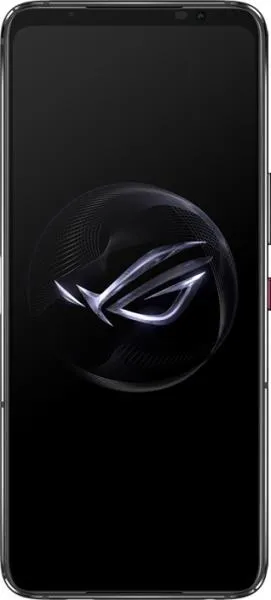
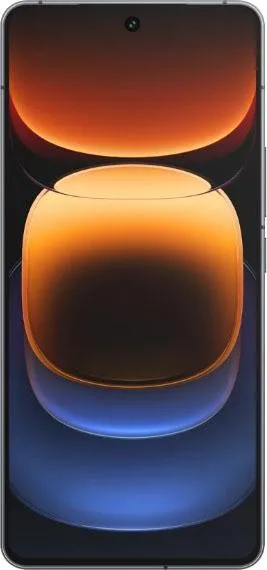
| Feature | Asus ROG Phone 7 | vivo iQOO 12 | Practical Impact |
|---|---|---|---|
| Design | |||
| Dimensions (mm) | 173 x 77 x 10.3 | 163.2 x 75.9 x 8.1 | iQOO 12 is noticeably smaller and thinner, making it more pocketable and easier to handle. ROG Phone 7 is thicker and heavier, potentially less comfortable for one-handed use. |
| Weight (g) | 239 | 198.5 | Significant weight difference; iQOO 12 will feel much lighter in hand and less fatiguing during extended use. |
| Display | |||
| Size (inches) | 6.78 | 6.78 | Same screen size. |
| Resolution (px) | 1080 x 2448 | 1260 x 2800 | iQOO 12 boasts a sharper display with higher pixel density, resulting in crisper text and images. |
| Refresh Rate (Hz) | 165 | 144 | Both offer high refresh rates for smooth scrolling and gaming. ROG Phone 7's slightly higher rate may provide a marginal advantage in fast-paced games, but the difference will be barely noticeable for most users. |
| Peak Brightness (nits) | 1500 | 3000 | iQOO 12's significantly higher peak brightness ensures better visibility in direct sunlight. |
| Display Type | AMOLED | LTPO AMOLED | iQOO 12 utilizes LTPO technology, enabling dynamic refresh rate adjustment for improved power efficiency. |
| Performance | |||
| Chipset | Snapdragon 8 Gen 2 | Snapdragon 8 Gen 3 | iQOO 12 features a newer generation chipset, promising faster processing speeds, improved graphics performance, and better power efficiency. |
| CPU | Octa-core (1x3.2 GHz Cortex-X3 & ...) | Octa-core (1x3.3 GHz Cortex-X4 & ...) | iQOO 12's Cortex-X4 core and newer architecture should deliver a noticeable performance boost in demanding tasks and multitasking. |
| GPU | Adreno 740 | Adreno 750 | iQOO 12's newer GPU will provide better gaming performance and smoother graphics rendering. |
| RAM (GB) | 12 | 12 | Both phones offer ample RAM for smooth multitasking. |
| Camera | |||
| Main Camera (MP) | 50 (Sony IMX766) | 50 (Omnivision OV50H) | Both utilize high-quality sensors. iQOO 12 has a larger sensor size (1/1.3") and wider aperture (f/1.69), potentially capturing more light and detail, especially in low-light conditions. |
| Ultrawide (MP) | 13 | 50 | iQOO 12 features a significantly higher resolution ultrawide camera, delivering much better image quality and detail. |
| Telephoto (MP) | N/A | 64 | iQOO 12 offers a dedicated telephoto lens for optical zoom, absent in the ROG Phone 7. |
| Battery | |||
| Capacity (mAh) | 6000 | 5000 | ROG Phone 7 has a larger battery capacity, potentially offering longer battery life. However, real-world usage will depend on various factors, including software optimization and display usage. |
2. Key Differences Analysis
Asus ROG Phone 7 Advantages:
- Larger Battery: Potentially longer battery life.
- Higher Refresh Rate (marginally): Slightly smoother experience in some games.
- Dedicated Gaming Features: While not detailed in the specs, ROG phones are known for gaming-centric features like shoulder triggers and advanced cooling systems.
vivo iQOO 12 Advantages:
- Newer, More Powerful Chipset: Significant performance advantage.
- Sharper Display: Higher resolution and pixel density.
- Brighter Display: Much better outdoor visibility.
- More Versatile Camera System: Dedicated telephoto lens, high-resolution ultrawide.
- LTPO Display: More power-efficient.
- Lower Price: Offers better value for performance.
Trade-offs:
- ROG Phone 7 sacrifices performance and camera versatility for potentially longer battery life and specialized gaming hardware.
- iQOO 12 prioritizes overall performance, display quality, and camera versatility over a potentially larger battery.
3. User Profiles & Recommendations
Asus ROG Phone 7: Ideal for hardcore mobile gamers who prioritize long battery life and specialized gaming features over general usability and camera quality.
vivo iQOO 12: Suitable for users seeking a well-rounded flagship experience with excellent performance, display, camera, and battery life at a more competitive price point. Good for power users, photographers, and content creators.
4. Decision Framework
Key Questions for Buyers:
- What is your primary use case? (Gaming, photography, general use)
- What is your budget? (High vs. Medium price range)
- How important is battery life to you? (Heavy vs. Moderate usage)
Scenario-Based Recommendations:
- Hardcore Gamer with a High Budget: ROG Phone 7 if dedicated gaming features are paramount.
- Power User/Photographer/Content Creator: iQOO 12 for its balanced performance and versatile camera.
- Average User Seeking Value: iQOO 12 offers a flagship experience at a more competitive price.
My Choice: vivo iQOO 12
While the ROG Phone 7's larger battery and gaming features are tempting, the iQOO 12's superior overall package makes it the better choice for me. The newer chipset, sharper and brighter display, more versatile camera system, and lower price offer significantly more value. The performance difference between the Snapdragon 8 Gen 2 and Gen 3 is substantial, future-proofing the device better. The improved camera system of the iQOO 12 is also a major draw for me. While battery life is important, the iQOO 12's LTPO display should mitigate the difference in battery capacity to some extent. Unless I was a dedicated mobile gamer needing specialized hardware, the iQOO 12 offers a more well-rounded and future-proof experience.
