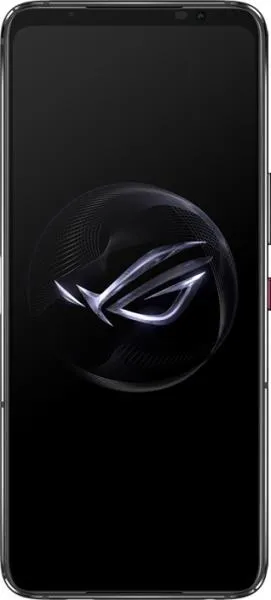
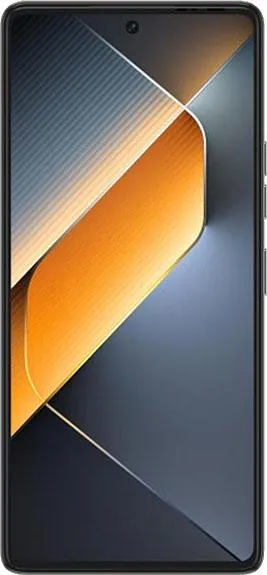
1. Specifications Comparison
| Feature | Asus ROG Phone 7 | Tecno Pova 6 Pro | Practical Impact |
|---|---|---|---|
| Design | |||
| Dimensions (mm) | 173 x 77 x 10.3 | 165.5 x 76.1 x 7.9 | ROG Phone 7 is thicker and heavier. Pova 6 Pro is more pocketable. |
| Weight (g) | 239 | 198 | Significant weight difference; Pova 6 Pro will be more comfortable for extended use. |
| Display | |||
| Size (inches) | 6.78 | 6.78 | Same size. |
| Resolution | 1080 x 2448 | 1080 x 2436 | Negligible difference in resolution; both are sharp. |
| Type | AMOLED, 165Hz | AMOLED, 120Hz | ROG Phone 7 has a significantly higher refresh rate, resulting in smoother animations and scrolling. |
| Peak Brightness (nits) | 1500 | 1300 | ROG Phone 7 is brighter, improving outdoor visibility. |
| Performance | |||
| Chipset | Snapdragon 8 Gen 2 | Dimensity 6080 | Massive performance difference. Snapdragon 8 Gen 2 offers significantly faster processing and gaming capabilities. |
| CPU | Octa-core (1x3.2 GHz Cortex-X3 & 2x2.8 GHz Cortex-A715 & 2x2.8 GHz Cortex-A710 & 3x2.0 GHz Cortex-A510) | Octa-core (2x2.4 GHz Cortex-A76 & 6x2.0 GHz Cortex-A55) | ROG Phone 7's CPU is considerably more powerful, handling demanding tasks with ease. |
| GPU | Adreno 740 | Mali-G57 MC2 | ROG Phone 7 offers superior graphics performance for gaming and graphically intensive applications. |
| RAM | 12GB (Global/NA), 8/12/16GB (China) | 6/12GB | More RAM options in the ROG Phone 7, with higher base configurations beneficial for multitasking. |
| Camera | |||
| Main Camera | 50MP Sony IMX766 | 108MP ISOCELL | Higher megapixel count on Pova 6 Pro, but sensor details missing making a meaningful comparison difficult. Image quality depends on sensor size, processing, and other factors. |
| Video Recording | Up to 8K@24fps | Up to 1440p@30fps | ROG Phone 7 supports higher resolution video recording. |
| Battery | |||
| Capacity | 6000 mAh | 6000 mAh | Same capacity. Real-world battery life will depend on optimization and usage. |
2. Key Differences Analysis
Asus ROG Phone 7 Advantages:
- Significantly more powerful: Snapdragon 8 Gen 2 provides a major performance advantage for demanding tasks and gaming.
- Smoother display: 165Hz refresh rate provides a noticeably smoother user experience.
- Brighter Display: Better outdoor visibility.
- Higher resolution video recording: Up to 8K.
- More RAM: Better for multitasking and future-proofing.
Tecno Pova 6 Pro Advantages:
- Lighter and thinner: More comfortable for everyday use.
- Lower price: Offers a more budget-friendly option.
- Higher resolution main camera: Potentially better detail, but dependent on sensor and processing quality which are unknown.
Trade-offs:
- ROG Phone 7: Higher price for significantly better performance and features. Bulkier design.
- Pova 6 Pro: Lower performance for a lower price. Unknown camera sensor quality.
3. User Profiles & Recommendations
ROG Phone 7: Ideal for gamers, power users, and those who demand the best performance and smoothest display. Excellent for demanding tasks, multitasking, and media consumption.
Tecno Pova 6 Pro: Suitable for budget-conscious users who prioritize a lightweight phone for everyday tasks like social media, browsing, and casual photography. Less suitable for demanding games or heavy multitasking.
4. Decision Framework
Key Questions for Buyers:
- What is your budget? The ROG Phone 7 is significantly more expensive.
- What are your primary use cases? Gaming and demanding tasks favor the ROG Phone 7. Everyday use might favor the Pova 6 Pro's lighter weight and lower price.
- How important is performance and display quality? The ROG Phone 7 excels in these areas.
Scenario-Based Recommendations:
- Gamer: ROG Phone 7 is the clear choice.
- Budget-conscious user: Tecno Pova 6 Pro.
- Power user needing top-tier performance: ROG Phone 7.
- Casual user prioritizing portability and affordability: Tecno Pova 6 Pro.
My Choice: Asus ROG Phone 7
While significantly more expensive, the Asus ROG Phone 7 offers a substantial leap in performance, a superior display, and more future-proofing thanks to the powerful Snapdragon 8 Gen 2, higher RAM, and faster refresh rate. The Tecno Pova 6 Pro's lighter weight and lower price are attractive, but the performance difference is too significant to ignore for my needs. I prioritize a smooth and responsive user experience, especially for gaming and multitasking, making the ROG Phone 7 the better choice despite its bulkier design. The lack of key camera sensor details for the Pova 6 Pro makes it difficult to assess its true photographic capabilities.
