1. Specifications Comparison
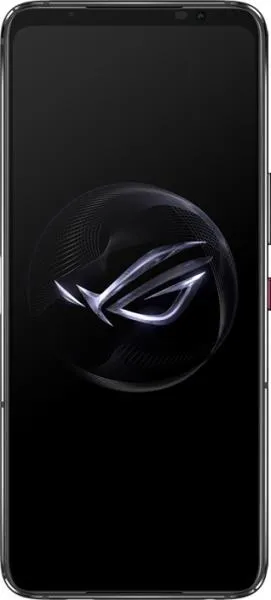
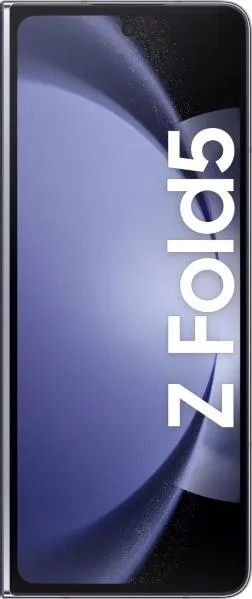
| Feature | Asus ROG Phone 7 | Samsung Galaxy Z Fold5 | Practical Impact |
|---|---|---|---|
| Design | |||
| Dimensions (mm) | 173 x 77 x 10.3 | 154.9 x 129.9 x 6.1 (Folded) | ROG Phone 7 is larger and thicker. Z Fold5 is significantly more compact when folded. |
| Weight (g) | 239 | 253 | Z Fold5 is slightly heavier despite being foldable. |
| Foldable | No | Yes | Z Fold5 offers a unique form factor and larger screen real estate when unfolded. |
| Display | |||
| Display Type | AMOLED, 1B colors, 165Hz | Foldable Dynamic AMOLED 2X, 120Hz | ROG Phone 7's higher refresh rate provides smoother animations and gaming experience. Z Fold5's foldable display offers versatility. |
| Size (inches) | 6.78 | 7.6 (Unfolded), 6.2 (Folded) | Z Fold 5 provides a significantly larger screen when unfolded for multitasking and media consumption. |
| Resolution | 1080 x 2448 | 1812 x 2176 (Unfolded), 904 x 2316 (Folded) | Z Fold5 has a sharper display (especially when unfolded) due to higher resolution. |
| Peak Brightness (nits) | 1500 | Unspecified | ROG Phone 7's higher peak brightness ensures better visibility outdoors. We lack data for a direct comparison with the Z Fold5. |
| Performance | |||
| Chipset | Snapdragon 8 Gen 2 (4 nm) | Snapdragon 8 Gen 2 (4 nm) | Both phones offer top-tier performance with minimal differences. Z Fold 5 has slightly faster clock speeds on the primary core. |
| CPU | Octa-core (up to 3.2 GHz) | Octa-core (up to 3.36 GHz) | Negligible real-world performance difference in everyday tasks. |
| RAM | 12GB | 12GB | Both phones offer ample RAM for multitasking. |
| Camera | |||
| Main Camera | 50MP, Sony IMX766 | 50MP, Samsung GN3 | Both sensors are high-quality; image quality differences would likely be subtle and depend more on software processing. |
| Ultrawide | 13MP | 12MP | Minor difference in resolution; real-world impact likely minimal. |
| Telephoto | No dedicated telephoto | 10MP | Z Fold5 offers optical zoom capabilities missing on the ROG Phone 7. |
| Battery | |||
| Capacity (mAh) | 6000 | 4400 | ROG Phone 7 offers significantly longer battery life. |
2. Key Differences Analysis
Asus ROG Phone 7 Advantages:
- Higher Refresh Rate Display: Smoother gaming and overall UI experience.
- Significantly Larger Battery: Longer usage time between charges.
- Gaming Focused Features: Likely includes additional software and hardware optimizations for gaming (not detailed in specs).
Samsung Galaxy Z Fold5 Advantages:
- Foldable Design: Unique form factor, larger screen real estate for multitasking and media consumption.
- Sharper Display: Higher resolution when unfolded.
- Telephoto Lens: Optical zoom capability for versatile photography.
Trade-offs:
- ROG Phone 7: Larger and heavier, lacks a telephoto lens and foldable display.
- Z Fold5: Lower battery capacity, potentially lower sustained performance due to thermals in a folding design.
3. User Profiles & Recommendations
ROG Phone 7: Ideal for mobile gamers, power users who prioritize performance and battery life.
Z Fold5: Best suited for users who value productivity and multitasking on a larger screen, appreciate the innovative foldable design, and want a pocketable device with a large screen option.
4. Decision Framework
Key Questions:
- Is gaming a top priority? If yes, the ROG Phone 7's higher refresh rate and larger battery are significant advantages.
- How important is portability and a large screen for productivity? The Z Fold5 excels in these areas.
- What is your budget? While prices fluctuate, the ROG Phone 7 generally falls into a higher price bracket than the Z Fold5. Actual prices should be confirmed at the point of purchase.
My Choice: Samsung Galaxy Z Fold5
While the ROG Phone 7 boasts impressive performance and battery life, I would choose the Samsung Galaxy Z Fold5. The foldable form factor is a game-changer for productivity and media consumption. The ability to have a tablet-sized screen in a pocketable device is incredibly appealing. While the battery life is smaller than the ROG Phone 7, I am willing to compromise on battery for the unique functionality and increased screen real estate. The inclusion of a telephoto lens further enhances the Z Fold5's versatility. Ultimately, the innovative design and productivity benefits of the Z Fold5 outweigh the ROG Phone 7's advantages for my personal use case.
