1. Specifications Comparison
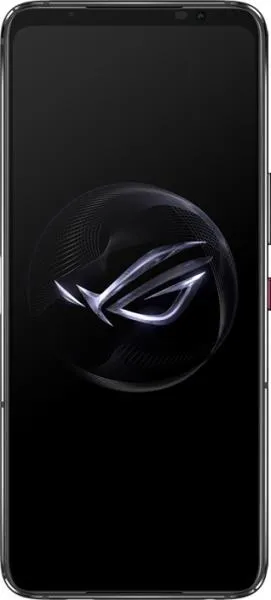
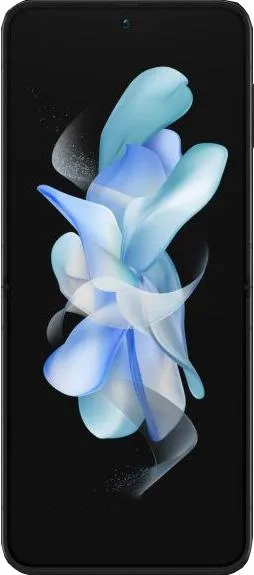
| Feature | Asus ROG Phone 7 | Samsung Galaxy Z Flip5 | Practical Impact |
|---|---|---|---|
| Design | |||
| Dimensions (mm) | 173 x 77 x 10.3 | 165.1 x 71.9 x 6.9 | ROG Phone 7 significantly larger and thicker. Z Flip5 is pocketable due to its folding design. |
| Weight (g) | 239 | 187 | ROG Phone 7 noticeably heavier. Z Flip5 more comfortable for extended use and portability. |
| Foldable | No | Yes | Z Flip5 offers unique portability and a smaller footprint when folded. |
| Display | |||
| Display Size (inches) | 6.78 | 6.7 | Negligible difference in screen real estate. |
| Resolution (pixels) | 1080 x 2448 | 1080 x 2640 | Similar sharpness; Z Flip5 slightly taller due to aspect ratio. |
| Refresh Rate (Hz) | 165 | 120 | ROG Phone 7 provides smoother animations and scrolling, especially noticeable in gaming. |
| Display Type | AMOLED, 1B colors | Foldable Dynamic AMOLED 2X | Both offer vibrant colors and deep blacks. ROG Phone 7 boasts more color accuracy with 1B colors. Z Flip5's folding screen introduces a crease. |
| Peak Brightness (nits) | 1500 | 1750 | Z Flip5 offers better outdoor visibility in direct sunlight. |
| Performance | |||
| Chipset | Snapdragon 8 Gen 2 | Snapdragon 8 Gen 2 | Both phones offer top-tier performance, though minor clock speed differences exist in favor of the Z Flip5. |
| CPU | Octa-core (up to 3.2 GHz) | Octa-core (up to 3.36 GHz) | Z Flip5 has a slightly faster primary core, potentially offering marginal performance gains in demanding tasks. |
| GPU | Adreno 740 | Adreno 740 | Identical GPUs, ensuring comparable graphics performance. |
| RAM | 12GB (reviewed model) | 8GB (reviewed model) | ROG Phone 7's larger RAM enables better multitasking and smoother performance with demanding apps. |
| Camera | |||
| Main Camera (MP) | 50 | 12 | ROG Phone 7 has significantly higher resolution, potentially capturing more detail. Sensor size and other factors also impact image quality, but these details are missing for the Z Flip5. |
| Ultrawide (MP) | 13 | 12 | Comparable ultrawide cameras. Detailed sensor specifications are needed for in-depth comparison. |
| Selfie Camera (MP) | 32 | 10 | ROG Phone 7 boasts a much higher resolution selfie camera. |
| Battery | |||
| Capacity (mAh) | 6000 | 3700 | ROG Phone 7 offers significantly longer battery life. |
2. Key Differences Analysis
Asus ROG Phone 7 Advantages:
- Superior Gaming Performance: Higher refresh rate display, more RAM, and larger battery capacity.
- Longer Battery Life: Significantly larger battery capacity.
- More Immersive Audio: Likely better audio quality due to its gaming focus, but specifics are missing.
- More Color Accurate Display: 1 Billion colors offer a wider color gamut.
Samsung Galaxy Z Flip5 Advantages:
- Unique Form Factor: Foldable design offers unparalleled portability.
- Brighter Display: Higher peak brightness improves outdoor visibility.
- More Compact: Significantly smaller and lighter when folded.
3. User Profiles & Recommendations
Asus ROG Phone 7: Ideal for mobile gamers, power users, and those who prioritize performance and battery life.
Samsung Galaxy Z Flip5: Suitable for users who prioritize portability and style, and those who value a compact device. Good for casual users who aren't as demanding on performance.
4. Decision Framework
Key Questions for Buyers:
- What is your primary use case? (Gaming, everyday tasks, social media, etc.)
- How important is portability?
- What is your budget?
Scenario-Based Recommendations:
- Gamer: ROG Phone 7 is the clear choice.
- Frequent Traveler: Z Flip5's compact size is a major advantage.
- Average User on a Budget: Consider other options, as both of these phones are premium priced. If choosing between these two, the Z Flip 5 may offer a better balance of features for the price depending on storage configuration.
My Choice: Asus ROG Phone 7
While I appreciate the Z Flip5's innovative design, the ROG Phone 7 better suits my needs. As someone who values performance, battery life, and a smooth user experience, the ROG Phone 7's superior specifications in these areas are decisive. The higher refresh rate display, larger battery, and increased RAM are significant advantages for my usage patterns, which include gaming and productivity tasks. The Z Flip5's portability is appealing, but the trade-offs in performance and battery life are too significant for me personally. I also prioritize a larger screen for media consumption. While the price is higher for the ROG Phone 7, the added benefit in key areas justifies the cost.
