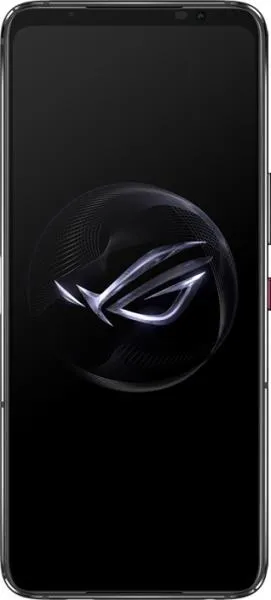

1. Specifications Comparison
| Feature | Asus ROG Phone 7 | Samsung Galaxy Tab S9 FE+ | Practical Impact |
|---|---|---|---|
| Design | |||
| Dimensions (mm) | 173 x 77 x 10.3 | 285.4 x 185.4 x 6.5 | ROG Phone 7 is a typical smartphone size; Tab S9 FE+ is a large tablet. Portability differs significantly. |
| Weight (g) | 239 | 627 | ROG Phone 7 is much lighter and easier to hold for extended periods. Tab S9 FE+ is better suited for desk/lap use. |
| Build | Not specified | Not specified | Build quality impact on durability is unknown. |
| Display | |||
| Size (inches) | 6.78 | 12.4 | Tab S9 FE+ offers significantly more screen real estate for media consumption and multitasking. |
| Resolution | 1080 x 2448 | 1600 x 2560 | Despite lower pixel density (PPI), Tab S9 FE+ has a higher resolution, suitable for its larger size. |
| Type | AMOLED, 165Hz | IPS LCD, 90Hz | ROG Phone 7's AMOLED provides better contrast, deeper blacks, and smoother motion thanks to the higher refresh rate. Tab S9 FE+'s IPS LCD may offer wider viewing angles but less vibrant colors. |
| Performance | |||
| Chipset | Snapdragon 8 Gen 2 | Exynos 1380 | ROG Phone 7 boasts a significantly more powerful flagship chipset, resulting in noticeably faster performance in demanding tasks and gaming. |
| CPU | Octa-core (1x3.2 GHz Cortex-X3 & 2x2.8 GHz Cortex-A715 & 2x2.8 GHz Cortex-A710 & 3x2.0 GHz Cortex-A510) | Octa-core (4x2.4 GHz Cortex-A78 & 4x2.0 GHz Cortex-A55) | ROG Phone 7's CPU architecture is newer and more powerful, leading to superior processing capabilities. |
| GPU | Adreno 740 | Mali-G68 MP5 | ROG Phone 7 has a more powerful GPU, resulting in smoother gaming and faster graphics rendering. |
| RAM | 12GB | 8/12GB | ROG Phone 7's 12GB RAM ensures smoother multitasking and better performance with demanding applications. Tab S9 FE+ offers variants, one with less RAM. |
| Camera | |||
| Rear Camera | 50MP main, 13MP wide, 5MP macro | 12MP Main, 8MP Wide | ROG Phone 7 has a higher resolution main sensor, potentially capturing more detailed photos. Detailed sensor specifications lacking for comprehensive comparison. |
| Front Camera | 32MP | 8MP | ROG Phone 7 has a much higher resolution front camera for better selfies. |
| Battery | |||
| Capacity (mAh) | 6000 | 10090 | Tab S9 FE+ has a significantly larger battery, likely providing much longer battery life given its larger display and lower power demands. |
2. Key Differences Analysis
Asus ROG Phone 7 Advantages:
- Superior Performance: Significantly faster processor and GPU for demanding tasks and gaming.
- Smoother Display: Higher refresh rate AMOLED screen for more responsive and visually appealing experience.
- Better Cameras: Higher resolution sensors, particularly the front camera.
- More Compact: Easier to carry and use in one hand.
Samsung Galaxy Tab S9 FE+ Advantages:
- Larger Display: More immersive experience for media consumption and productivity.
- Longer Battery Life: Significantly larger battery capacity for extended usage.
- Lower Price: More affordable option.
3. User Profiles & Recommendations
Asus ROG Phone 7: Ideal for mobile gamers, power users, and those who prioritize performance and a premium display. Excellent for demanding applications, high-quality media consumption on the go, and mobile photography.
Samsung Galaxy Tab S9 FE+: Suitable for users who prioritize a large screen for media consumption, browsing, note-taking, and light productivity. Good for students, casual users, and those seeking an affordable tablet.
4. Decision Framework
Key Questions:
- What is your primary use case? (Gaming, productivity, media consumption)
- What is your budget?
- Do you prioritize portability or screen size?
Scenario-Based Recommendations:
- Gamer: ROG Phone 7 is the clear choice.
- Student on a budget: Tab S9 FE+ offers a large screen and long battery life at a lower price.
- Professional needing productivity on the go: ROG Phone 7 for its power and portability, Tab S9 FE+ if larger screen real estate is paramount.
My Choice: Asus ROG Phone 7
While the Tab S9 FE+ offers a tempting large screen and battery life, I would choose the Asus ROG Phone 7. I value performance, a high-quality display, and portability. The Snapdragon 8 Gen 2, coupled with the 165Hz AMOLED screen, ensures a smooth and responsive experience for gaming and everyday tasks. While the battery is smaller, 6000mAh is still respectable for a smartphone. The superior camera system is also a significant factor. The Tab S9 FE+ is a good value tablet, but the ROG Phone 7 better suits my needs for a powerful and portable device.
