1. Specifications Comparison
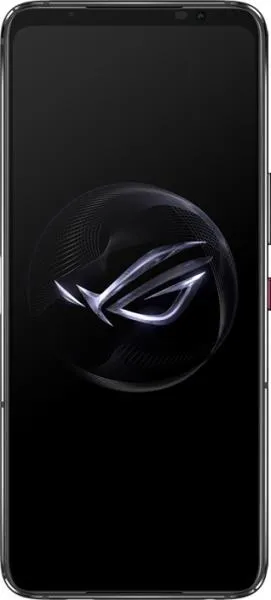
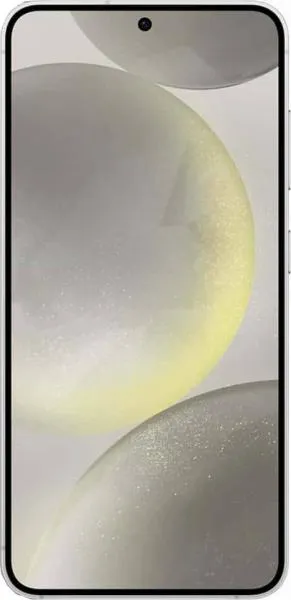
| Feature | Asus ROG Phone 7 | Samsung Galaxy S24 | Practical Impact |
|---|---|---|---|
| Design | |||
| Dimensions (mm) | 173 x 77 x 10.3 | 147 x 70.6 x 7.6 | ROG Phone 7 significantly larger and thicker. Impacts portability and one-handed use. S24 more pocketable and comfortable for average users. |
| Weight (g) | 239 | 167 | ROG Phone 7 noticeably heavier. Can cause fatigue during extended use. S24 lighter and easier to handle. |
| Display | |||
| Size (inches) | 6.78 | 6.2 | ROG Phone 7 offers a larger screen for more immersive media consumption and gaming. S24 more compact for easier one-handed use. |
| Resolution (px) | 1080 x 2448 | 1080 x 2340 | Similar sharpness despite resolution difference due to S24's smaller size. Negligible real-world difference in clarity. |
| Refresh Rate (Hz) | 165 | 120 | ROG Phone 7 provides smoother animations and transitions, especially noticeable in gaming. S24 still offers a high refresh rate for a fluid experience. |
| Peak Brightness (nits) | 1500 | 2600 | S24 significantly brighter, ensuring better visibility in direct sunlight. ROG Phone 7's brightness may be insufficient outdoors. |
| Performance | |||
| Chipset | Snapdragon 8 Gen 2 | Snapdragon 8 Gen 3 | S24 boasts a newer generation chipset, likely resulting in faster performance and better power efficiency. Real-world impact depends on specific tasks and optimization. |
| CPU | Octa-core | Octa-core | Both offer powerful CPUs, but S24's Cortex-X4 core suggests a higher peak performance potential. Gen 3 architecture also indicates improved efficiency. |
| GPU | Adreno 740 | Adreno 750 | S24's GPU likely provides a performance advantage in graphically demanding tasks like gaming. |
| RAM (GB) | 12 | 8 | ROG Phone 7 has significantly more RAM, enabling better multitasking and preventing app closures in the background. S24's 8GB is still sufficient for most users. |
| Camera | |||
| Main Camera (MP) | 50 | 50 | Comparable resolution. Image quality depends on sensor, processing, and lens quality. More details needed for accurate comparison. |
| Battery | |||
| Capacity (mAh) | 6000 | 4000 | ROG Phone 7 offers substantially longer battery life. S24's smaller battery might require more frequent charging. |
2. Key Differences Analysis
Asus ROG Phone 7 Advantages:
- Superior Battery Life: Significantly larger battery capacity.
- Higher RAM: Better multitasking and sustained performance.
- Higher Refresh Rate Display: Smoother visuals for gaming.
- Gaming-Focused Features: Likely includes specialized gaming features not listed in the provided specs (e.g., advanced cooling, shoulder triggers).
Samsung Galaxy S24 Advantages:
- Newer, More Powerful Chipset: Potentially faster and more efficient.
- Brighter Display: Better outdoor visibility.
- More Compact and Lighter: Easier to handle and carry.
- Lower Price: Offers better value for typical users.
3. User Profiles & Recommendations
Asus ROG Phone 7: Ideal for mobile gamers and power users who prioritize performance and battery life above all else. Best for extended gaming sessions, demanding applications, and heavy multitasking.
Samsung Galaxy S24: Suitable for most users seeking a flagship experience with a balance of performance, features, and portability. Excellent for everyday use, social media, web browsing, and moderate gaming. Provides a premium experience at a more accessible price point.
4. Decision Framework
Key Questions:
- What is your primary use for a smartphone? (Gaming, productivity, general use)
- How important is battery life to you? (Crucial, important, moderate)
- What is your budget? (Unlimited, high, moderate)
My Choice: Samsung Galaxy S24
While the ROG Phone 7 boasts impressive specs for gaming and battery life, the Samsung Galaxy S24 offers a more well-rounded package for my needs. As a tech enthusiast, I value the newest chipset and its performance/efficiency improvements. The brighter display is essential for outdoor use. While 8GB RAM is less than the ROG Phone 7, it's still ample for my usage. The S24's significantly lighter and more compact design makes it more practical for everyday carry. Finally, the lower price makes it a more sensible purchase for a flagship device that isn't solely focused on gaming. The improved camera features, especially the optical zoom, are also appealing for general photography.
