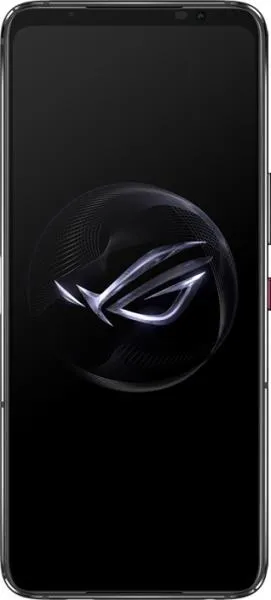

1. Specifications Comparison
| Feature | Asus ROG Phone 7 | Motorola Razr 40 | Practical Impact |
|---|---|---|---|
| Design | |||
| Dimensions (mm) | 173 x 77 x 10.3 | 170.8 x 74 x 7.4 | Razr 40 significantly thinner and slightly shorter, more pocketable due to folding design. ROG Phone 7 larger, thicker, geared towards landscape usage. |
| Weight (g) | 239 | 188.6 | Razr 40 noticeably lighter, enhancing one-handed use and portability. ROG Phone 7 heavier, reflecting its robust build and larger battery. |
| Foldable | No | Yes | Razr 40's folding design offers unique portability and a smaller external display for quick interactions. ROG Phone 7 is a traditional slab phone. |
| Display | |||
| Size (inches) | 6.78 | 6.9 | Both offer large displays for immersive content consumption. Razr 40 slightly larger when unfolded. |
| Resolution (px) | 1080 x 2448 | 1080 x 2640 | Similar pixel density, resulting in sharp visuals on both. Razr 40 slightly taller aspect ratio. |
| Refresh Rate (Hz) | 165 | 144 | Both offer high refresh rates for smooth scrolling and gaming. ROG Phone 7 slightly smoother, but the difference is minimal in real-world usage. |
| Display Type | AMOLED | Foldable LTPO AMOLED | ROG Phone 7 utilizes a traditional AMOLED known for vibrant colors. Razr 40's foldable LTPO AMOLED introduces potential for power saving with variable refresh rate though we don't know if it's enabled. Durability of the folding screen is a concern. |
| Peak Brightness (nits) | 1500 | 1400 | ROG Phone 7 slightly brighter for better outdoor visibility. |
| Performance | |||
| Chipset | Snapdragon 8 Gen 2 | Snapdragon 7 Gen 1 | ROG Phone 7 significantly more powerful, enabling demanding gaming and multitasking. Razr 40 offers good performance for everyday tasks but less suited for heavy gaming. |
| CPU | Octa-core (up to 3.2 GHz) | Octa-core (up to 2.4 GHz) | ROG Phone 7's superior CPU architecture and clock speeds provide noticeable performance advantages in demanding applications. |
| GPU | Adreno 740 | Adreno 644 | ROG Phone 7 boasts a significantly more powerful GPU, essential for high-end gaming and graphics-intensive tasks. |
| RAM (GB) | 12 | 8 | More RAM in ROG Phone 7 allows for seamless multitasking and smoother performance with numerous apps open. |
| Camera | |||
| Main Camera (MP) | 50 (Sony IMX766) | 64 | While Razr 40 has higher resolution, sensor details for both phones are incomplete (pixel size, sensor size for Razr 40 missing). Image quality comparison is impossible without complete data. |
| Ultrawide (MP) | 13 | 13 | Comparable ultrawide resolution. Practical difference depends on sensor quality and software processing, which cannot be assessed with available data. |
| Battery | |||
| Capacity (mAh) | 6000 | 4200 | ROG Phone 7 has a substantially larger battery, translating to significantly longer battery life. Razr 40's smaller battery is a trade-off for its slim, foldable design. |
2. Key Differences Analysis
Asus ROG Phone 7 Advantages:
- Superior Performance: The Snapdragon 8 Gen 2 and higher RAM provide a significant performance advantage for gaming, multitasking, and demanding applications.
- Longer Battery Life: The 6000mAh battery ensures extended usage without frequent recharging.
- Brighter Display: Offers better visibility in direct sunlight.
- Higher Refresh Rate: Marginally smoother scrolling and animations.
Motorola Razr 40 Advantages:
- Unique Foldable Design: Offers unmatched portability and a compact form factor when folded.
- Lighter and More Compact: Easier to carry and use with one hand.
- Potentially More Power Efficient Display: LTPO technology can dynamically adjust refresh rate to save power, though we don't know if it is implemented as such.
3. User Profiles & Recommendations
Asus ROG Phone 7: Ideal for mobile gamers, power users, and those who prioritize performance and battery life. Excellent for demanding tasks, media consumption, and extended use without charging.
Motorola Razr 40: Suitable for users who prioritize portability and style above raw performance. Best for those who value a compact phone that easily fits in pockets and prefer a unique design. Good for everyday tasks, social media, and light content consumption.
4. Decision Framework
Key Questions for Buyers:
- What is your primary use for a smartphone? (Gaming, productivity, communication, social media)
- How important is portability and form factor? (Pocketability, one-handed use)
- What is your budget? (High-end vs. mid-range)
Scenario-Based Recommendations:
- Heavy gamer or power user: ROG Phone 7 is the clear choice.
- Style-conscious user prioritizing portability: Razr 40 is a compelling option.
- User on a budget seeking a balance of features: Neither phone fits this category perfectly. Consider other options in the mid-range segment.
My Choice: Asus ROG Phone 7
Reasoning: While I appreciate the innovative design and portability of the Razr 40, I prioritize performance and battery life. The ROG Phone 7's superior processing power, larger battery, and brighter display outweigh the Razr 40's advantages for my personal needs. I prefer a phone that can handle demanding tasks and last a full day without needing a recharge. The ROG Phone 7 excels in these areas. The Razr 40's incomplete specifications, especially regarding its camera sensor, also make it difficult to fully assess its capabilities. The significant price difference further reinforces the ROG Phone 7's value proposition for my usage pattern.
