1. Specifications Comparison
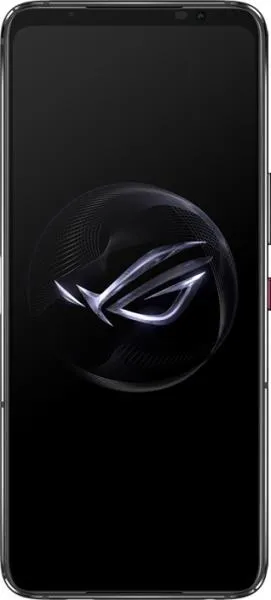
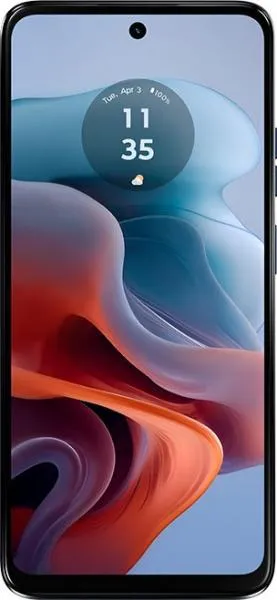
| Feature | Asus ROG Phone 7 | Motorola Moto G34 | Practical Impact |
|---|---|---|---|
| Design | |||
| Dimensions (mm) | 173 x 77 x 10.3 | 162.7 x 74.6 x 8 | ROG Phone 7 is larger and thicker. Moto G34 is more pocketable. |
| Weight (g) | 239 | 179 | ROG Phone 7 is significantly heavier. Moto G34 is noticeably lighter for extended use. |
| Build | Not specified | Not specified | Build quality impact on durability is unknown. |
| Display | |||
| Display Type | AMOLED | IPS LCD | ROG Phone 7 offers richer colors, deeper blacks, and better outdoor visibility due to AMOLED technology. |
| Size (inches) | 6.78 | 6.5 | ROG Phone 7 has a slightly larger screen. |
| Resolution | 1080 x 2448 | 720 x 1600 | ROG Phone 7 has a significantly sharper display (395 ppi vs 270 ppi), resulting in clearer text and images. |
| Refresh Rate (Hz) | 165 | 120 | ROG Phone 7 provides smoother animations and scrolling. While both are high refresh rate, the difference might be noticeable in fast-paced games. |
| Performance | |||
| Chipset | Snapdragon 8 Gen 2 | Snapdragon 695 5G | ROG Phone 7 boasts a flagship-level processor, offering significantly higher performance for demanding tasks and gaming. Moto G34 offers decent mid-range performance. |
| CPU | Octa-core (1x3.2 GHz Cortex-X3 & 2x2.8 GHz Cortex-A715 & 2x2.8 GHz Cortex-A710 & 3x2.0 GHz Cortex-A510) | Octa-core (2x2.2 GHz Kryo 660 Gold & 6x1.7 GHz Kryo 660 Silver) | ROG Phone 7's CPU architecture is more powerful and efficient. |
| GPU | Adreno 740 | Adreno 619 | ROG Phone 7's GPU provides a substantial advantage in graphics performance for gaming and visually intensive applications. |
| RAM | 12GB | 4GB/8GB | ROG Phone 7 offers more RAM, enabling better multitasking and smoother performance with demanding apps. |
| Camera | |||
| Main Camera | 50MP Sony IMX766 | 50MP ISOCELL | Sensor models differ, but practical image quality comparison requires real-world testing. ROG Phone 7 utilizes a known high-quality sensor. |
| Video Recording | Up to 8K@24fps | Up to 1080p@30fps | ROG Phone 7 offers significantly higher video resolution and frame rate options. |
| Battery | |||
| Capacity (mAh) | 6000 | 5000 | ROG Phone 7 has a larger battery, likely resulting in longer battery life. |
2. Key Differences Analysis
Asus ROG Phone 7 Advantages:
- Significantly higher performance: The Snapdragon 8 Gen 2, coupled with ample RAM, provides a substantial performance advantage for gaming, multitasking, and demanding applications.
- Superior Display: The AMOLED display with a 165Hz refresh rate offers vibrant colors, deep blacks, and incredibly smooth visuals.
- Larger Battery: The 6000mAh battery promises longer usage time.
- Higher Resolution Camera & Video: Superior camera sensor and much higher video resolution capabilities.
Motorola Moto G34 Advantages:
- Lower Price: Significantly more affordable.
- Lighter and More Compact: Easier to handle and carry.
Trade-offs:
- Performance vs. Affordability: ROG Phone 7's high performance comes at a premium price. Moto G34 compromises performance for affordability.
3. User Profiles & Recommendations
Asus ROG Phone 7: Ideal for mobile gamers, power users, and those who demand the best performance and display quality. Excellent for demanding tasks, content creation, and media consumption.
Motorola Moto G34: Suitable for budget-conscious users who prioritize essential smartphone functionalities like calling, messaging, and web browsing. Good for light gaming and social media.
4. Decision Framework
Key Questions:
- What is your budget? The ROG Phone 7 is significantly more expensive.
- What are your primary use cases? Gaming and demanding tasks benefit from the ROG Phone 7's power.
- Do you prioritize portability and affordability? The Moto G34 excels in these areas.
Scenario-Based Recommendations:
- Gamer: ROG Phone 7
- Budget-conscious user: Moto G34
- Power user: ROG Phone 7
- Casual user: Moto G34
My Choice: Asus ROG Phone 7
While the Motorola Moto G34 offers excellent value for its price, I would choose the Asus ROG Phone 7. The significant difference in performance, display quality, and camera capabilities justifies the higher price for my needs. I value a smooth and responsive user experience, especially for gaming and multitasking, and the ROG Phone 7 delivers that with its powerful hardware and high refresh rate AMOLED screen. The larger battery is also a plus for ensuring all-day usage. While the Moto G34 is a solid budget option, the ROG Phone 7's premium features align better with my usage preferences and priorities.
