1. Specifications Comparison
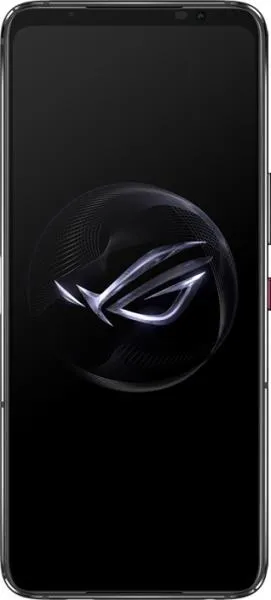
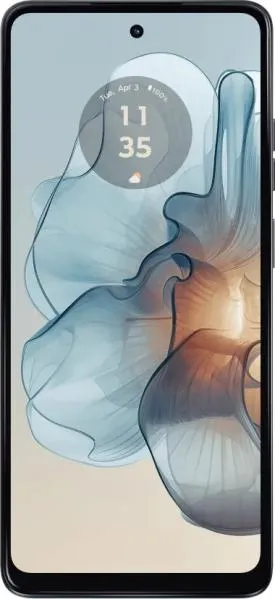
| Feature | Asus ROG Phone 7 | Motorola Moto G24 Power | Practical Impact |
|---|---|---|---|
| Design | |||
| Dimensions (mm) | 173 x 77 x 10.3 | 163.5 x 74.5 x 9 | ROG Phone 7 is larger and thicker. G24 Power is more pocketable. |
| Weight (g) | 239 | 197 | ROG Phone 7 is noticeably heavier. G24 Power is lighter for extended use. |
| Build | Not specified | Not specified | Build quality impact on durability is unknown. |
| Display | |||
| Display Type | AMOLED | IPS LCD | ROG Phone 7 offers richer colors, deeper blacks, and better contrast. |
| Size (inches) | 6.78 | 6.56 | ROG Phone 7 has a slightly larger screen for more immersive content. |
| Resolution | 1080 x 2448 | 720 x 1612 | ROG Phone 7 has significantly sharper visuals due to higher resolution. |
| Refresh Rate (Hz) | 165 | 90 | ROG Phone 7 provides smoother animations and scrolling. |
| Peak Brightness (nits) | 1500 | 537 | ROG Phone 7 is much brighter, ensuring better outdoor visibility. |
| Performance | |||
| Chipset | Snapdragon 8 Gen 2 | Helio G85 | ROG Phone 7 boasts vastly superior processing power for demanding tasks and gaming. |
| CPU | Octa-core (1x3.2 GHz Cortex-X3 & 2x2.8 GHz Cortex-A715 & 2x2.8 GHz Cortex-A710 & 3x2.0 GHz Cortex-A510) | Octa-core (2x2.0 GHz Cortex-A75 & 6x1.7 GHz Cortex-A55) | ROG Phone 7's CPU architecture is more powerful and efficient. |
| GPU | Adreno 740 | Mali-G52 MC2 | ROG Phone 7 provides significantly better graphics performance for gaming and media consumption. |
| RAM (GB) | 12/16 | 8 | ROG Phone 7 offers more RAM for multitasking and demanding applications. |
| Camera | |||
| Main Camera (MP) | 50 (Sony IMX766) | 50 | ROG Phone 7 likely has better image quality due to the larger sensor size of the IMX766. Information regarding G24 Power's sensor is lacking. |
| Ultrawide (MP) | 13 | 2 | ROG Phone 7 provides a much higher resolution ultrawide camera. |
| Macro (MP) | 5 | 2 | ROG Phone 7 offers a higher resolution macro camera. |
| Selfie (MP) | 32 | 8 | ROG Phone 7 has a considerably higher resolution front-facing camera. |
| Video Recording | Up to 8K@24fps | Up to 1080p@30fps | ROG Phone 7 supports much higher resolution video recording. |
| Battery | |||
| Capacity (mAh) | 6000 | 6000 | Both have the same battery capacity, but real-world battery life will depend on software optimization and display efficiency. ROG Phone 7's more powerful components and higher refresh rate display may drain the battery faster. |
2. Key Differences Analysis
Asus ROG Phone 7 Advantages:
- Significantly more powerful: Superior chipset, CPU, GPU, and more RAM for demanding tasks and gaming.
- Higher quality display: AMOLED with higher resolution, refresh rate, and peak brightness.
- Better camera system: Higher resolution sensors and superior video recording capabilities.
Motorola Moto G24 Power Advantages:
- Lighter and more compact: Easier to handle and carry for extended periods.
- Lower price: Significantly more affordable.
Trade-offs:
- ROG Phone 7 sacrifices portability and affordability for top-tier performance and features.
- G24 Power compromises on performance and features for a longer battery life (potentially) and lower price.
3. User Profiles & Recommendations
Asus ROG Phone 7: Ideal for mobile gamers, power users, and those who prioritize top-tier performance, display, and camera quality.
Motorola Moto G24 Power: Suitable for budget-conscious users who prioritize basic functionality, long battery life, and affordability over high-end features.
4. Decision Framework
Key Questions for Buyers:
- What is your budget? The ROG Phone 7 is a high-end device, while the G24 Power is budget-friendly.
- What are your primary use cases? Gaming and demanding tasks benefit from the ROG Phone 7's power. Basic usage like calls, browsing, and social media are well-handled by the G24 Power.
- Do you prioritize performance or battery life? The ROG Phone 7 prioritizes performance, while the G24 Power likely offers longer battery life due to less demanding hardware, although real-world battery life is not guaranteed based on these specs alone.
My Choice: Asus ROG Phone 7
While the Motorola Moto G24 Power offers excellent value for its price, I would choose the Asus ROG Phone 7. I prioritize a smooth and responsive user experience, particularly for gaming and demanding tasks. The ROG Phone 7's powerful hardware, stunning display, and superior camera system are major draws for me. I am willing to pay the premium for the significantly enhanced performance and features it offers. The larger size and weight are acceptable trade-offs for the benefits I gain. While battery life might be a concern, I value the overall performance and features more.
