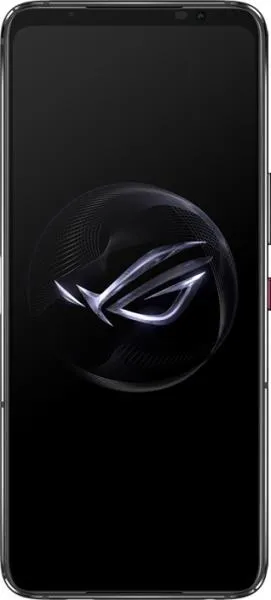
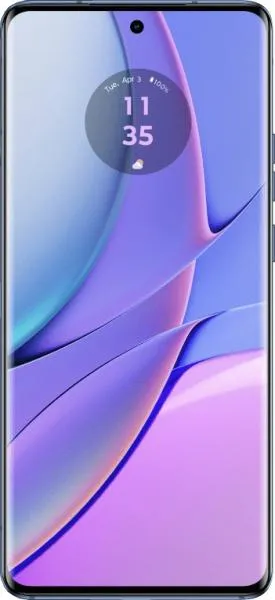
1. Specifications Comparison
| Feature | Asus ROG Phone 7 | Motorola Edge 40 | Practical Impact |
|---|---|---|---|
| Design | |||
| Dimensions (mm) | 173 x 77 x 10.3 | 158.4 x 72 x 7.6 | ROG Phone 7 is significantly larger and thicker. Edge 40 is more pocketable and easier to handle one-handed. |
| Weight (g) | 239 | 167 | ROG Phone 7 is much heavier, potentially tiring for extended use. Edge 40 feels lighter and more comfortable. |
| Build | (Missing) | (Missing) | Build materials impact durability and premium feel. This information is crucial for assessing overall quality. |
| Display | |||
| Size (inches) | 6.78 | 6.55 | ROG Phone 7 offers a slightly larger screen for more immersive content consumption. |
| Resolution | 1080 x 2448 | 1080 x 2400 | Both have similar resolutions, resulting in comparable sharpness. |
| Panel Type | AMOLED | P-OLED | Both offer excellent contrast and vibrant colors. P-OLED can be more power efficient. |
| Refresh Rate (Hz) | 165 | 144 | ROG Phone 7's higher refresh rate provides smoother animations and scrolling, especially noticeable in gaming. |
| Peak Brightness (nits) | 1500 | 1200 | ROG Phone 7 is brighter, improving outdoor visibility. |
| Performance | |||
| Chipset | Snapdragon 8 Gen 2 | Dimensity 8020 | Snapdragon 8 Gen 2 offers significantly higher CPU and GPU performance, benefiting demanding tasks and gaming. |
| CPU | Octa-core (1x3.2 GHz Cortex-X3 & 2x2.8 GHz Cortex-A715 & 2x2.8 GHz Cortex-A710 & 3x2.0 GHz Cortex-A510) | Octa-core (4x2.6 GHz Cortex-A78 & 4x2.0 GHz Cortex-A55) | ROG Phone 7's CPU architecture is more powerful and efficient. |
| RAM (GB) | 12/16 | 8 | More RAM on the ROG Phone 7 allows for better multitasking and smoother performance with demanding applications. |
| Camera | |||
| Main Camera (MP) | 50 (Sony IMX766) | 50 (Omnivision OV50A) | Both have 50MP main sensors; image quality will depend on processing and lens quality. Specific sensor models suggest potential differences in low-light performance. |
| Ultrawide (MP) | 13 | 13 | Similar ultrawide resolutions; practical difference lies in lens quality and distortion correction. |
| Other Cameras | Macro 5MP | Macro integrated with ultrawide | Dedicated macro lens on ROG Phone 7 might offer slightly better macro shots, but implementation details are crucial. |
| Battery | |||
| Capacity (mAh) | 6000 | 4400 | ROG Phone 7's significantly larger battery capacity will likely result in much longer battery life. |
2. Key Differences Analysis
Asus ROG Phone 7 Advantages:
- Superior Performance: The Snapdragon 8 Gen 2 and higher RAM provide a significant performance advantage for gaming, demanding apps, and multitasking.
- Higher Refresh Rate Display: Smoother visuals and more responsive gaming experience.
- Larger Battery: Significantly longer battery life.
- Brighter Display: Better outdoor visibility.
Motorola Edge 40 Advantages:
- Lighter and More Compact: Easier to handle and carry.
- Lower Price: Significantly more affordable.
- Potentially More Power Efficient Display: P-OLED technology may offer better battery life compared to AMOLED.
3. User Profiles & Recommendations
Asus ROG Phone 7: Ideal for mobile gamers, power users, and those who prioritize performance and battery life above all else.
Motorola Edge 40: Suitable for users who want a sleek, lightweight phone with good performance for everyday tasks and a more affordable price.
4. Decision Framework
Key Questions for Buyers:
- What is your budget? The ROG Phone 7 is a premium device, while the Edge 40 is mid-range.
- What are your primary use cases? Gaming and demanding tasks benefit from the ROG Phone 7's power. Everyday use might favor the Edge 40's portability and affordability.
- How important is battery life? The ROG Phone 7's larger battery is a significant advantage for heavy users.
Scenario-Based Recommendations:
- Gamer: ROG Phone 7
- Everyday User on a Budget: Motorola Edge 40
- Power User needing long battery life: ROG Phone 7
My Choice: Motorola Edge 40
While the ROG Phone 7 boasts impressive specs, the Motorola Edge 40 better suits my needs and priorities. As someone who prioritizes portability and value, the Edge 40's lighter weight, slimmer profile, and lower price are compelling. The Dimensity 8020 is powerful enough for my daily usage, which consists mainly of web browsing, social media, photography, and occasional light gaming. I am willing to sacrifice some peak performance and battery capacity for a more comfortable and affordable device. The Edge 40 strikes a great balance between performance, design, and price. The inclusion of OIS on the main camera also adds to its appeal for everyday photography. While the missing build materials information is a concern, the overall package leans in favor of the Edge 40 for my personal use case.
