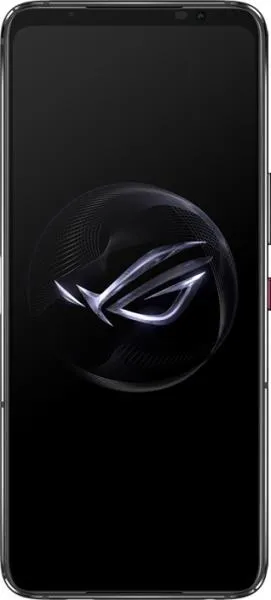

1. Specifications Comparison
| Feature | Asus ROG Phone 7 | Google Pixel 8 | Practical Impact |
|---|---|---|---|
| Design | |||
| Dimensions (mm) | 173 x 77 x 10.3 | 150.5 x 70.8 x 8.9 | ROG Phone 7 is significantly larger and thicker. Pixel 8 is more pocketable and easier to handle one-handed. |
| Weight (g) | 239 | 187 | ROG Phone 7 is noticeably heavier, potentially causing fatigue during extended use. |
| Build | Not specified | Not specified | Build quality and materials impact durability and premium feel. Lack of information limits comparison. |
| Display | |||
| Display Size (inches) | 6.78 | 6.2 | ROG Phone 7 offers a larger screen for more immersive media consumption and gaming. Pixel 8 is more compact. |
| Resolution | 1080 x 2448 | 1080 x 2400 | Similar resolutions, but Pixel 8 has slightly higher pixel density (428 vs 395 PPI) resulting in sharper text and images. |
| Refresh Rate (Hz) | 165 | 120 | ROG Phone 7's higher refresh rate provides smoother animations and scrolling, particularly beneficial for gaming. |
| Peak Brightness (nits) | 1500 | 2000 | Pixel 8's significantly higher peak brightness ensures better visibility in direct sunlight. |
| Display Type | AMOLED | OLED | Both offer excellent color reproduction and deep blacks. Practical differences are minimal in typical usage. |
| Performance | |||
| Chipset | Snapdragon 8 Gen 2 | Google Tensor G3 | Both are high-end chipsets. Snapdragon 8 Gen 2 generally benchmarks higher in raw performance, but Tensor G3 excels in AI-powered tasks. |
| CPU | Octa-core (1x3.2 GHz Cortex-X3 & 2x2.8 GHz Cortex-A715 & 2x2.8 GHz Cortex-A710 & 3x2.0 GHz Cortex-A510) | Nona-core (1x3.0 GHz Cortex-X3 & 4x2.45 GHz Cortex-A715 & 4x2.15 GHz Cortex-A510) | Core configurations suggest both offer excellent performance. Real-world differences depend on optimization and specific tasks. |
| GPU | Adreno 740 | Immortalis-G715s MC10 | Adreno 740 generally provides stronger gaming performance. Immortalis-G715s MC10 might offer advantages in certain graphics workloads. |
| RAM (GB) | 12/16 | 8 | ROG Phone 7 offers more RAM, enabling better multitasking and smoother performance with demanding apps. |
| Camera | |||
| Main Camera (MP) | 50 (Sony IMX766) | 50 (Samsung GNV) | Both feature high-resolution sensors. Differences in image quality will depend on processing and tuning. |
| Ultrawide (MP) | 13 | 12 | Minor difference in resolution. Real-world performance depends on lens quality and software processing. Pixel traditionally excels in computational photography. |
| DxOMark Score | Not Available | 148 | Pixel 8 has a high DxOMark score, indicating excellent overall camera performance. No data available for ROG Phone 7 limits comparison. |
| Battery | |||
| Capacity (mAh) | 6000 | 4575 | ROG Phone 7 has a significantly larger battery, likely resulting in longer battery life. |
2. Key Differences Analysis
Asus ROG Phone 7 Advantages:
- Superior Gaming Performance: Higher refresh rate display, more powerful GPU, and more RAM provide a significant edge for mobile gaming.
- Longer Battery Life: Larger battery capacity suggests significantly longer usage between charges.
- More RAM for Multitasking: Higher RAM capacity allows for smoother multitasking and handling of demanding applications.
Google Pixel 8 Advantages:
- More Compact and Lighter: Easier to handle and carry for everyday use.
- Brighter Display: Better visibility in outdoor environments.
- Proven Camera Performance: DxOMark score and Google's reputation for excellent camera processing suggest superior image quality.
- Lower Price: Offers a compelling price-to-performance ratio.
3. User Profiles & Recommendations
Asus ROG Phone 7: Ideal for mobile gamers, power users, and those who prioritize performance and battery life above all else.
Google Pixel 8: Suitable for users who prefer a compact and lightweight phone with excellent camera capabilities and a clean Android experience. Good choice for those seeking a balance between performance, features, and price.
4. Decision Framework
Key Questions for Buyers:
- What is your primary use case for a smartphone? (Gaming, photography, general use)
- What is your budget? (High-end vs. mid-range)
- Do you prioritize performance and battery life over portability and camera quality?
My Choice: Google Pixel 8
While the ROG Phone 7 boasts impressive performance and battery life, the Pixel 8's balanced feature set, compact form factor, excellent camera, and lower price make it a more compelling choice for my needs. I prioritize a phone that is easy to carry and use daily, with a strong camera for capturing moments. The Pixel 8's clean Android experience and guaranteed software updates are also attractive. While I appreciate the ROG Phone 7's gaming prowess, it's not a primary need for me, and the size and weight would be a detriment for everyday use. The Pixel 8 offers excellent value for its price, delivering a premium experience without the premium price tag.
