1. Specifications Comparison
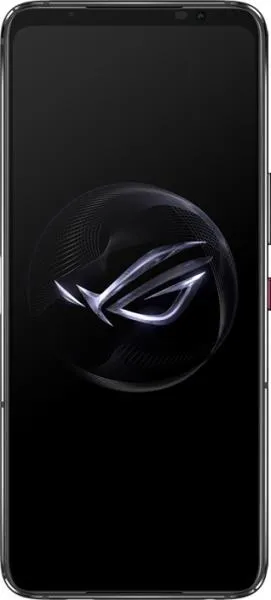
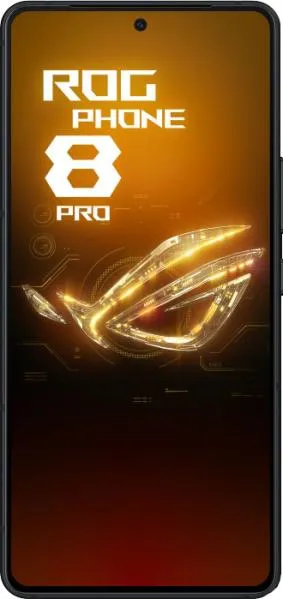
| Feature | Asus ROG Phone 7 | Asus ROG Phone 8 Pro | Practical Impact |
|---|---|---|---|
| Design | |||
| Dimensions (mm) | 173 x 77 x 10.3 | 163.8 x 76.8 x 8.9 | ROG 8 Pro is noticeably smaller and thinner, improving one-handed usability. |
| Weight (g) | 239 | 225 | ROG 8 Pro is lighter, reducing hand fatigue during extended use. |
| Display | |||
| Size (inches) | 6.78 | 6.78 | Same size displays. |
| Resolution (pixels) | 1080 x 2448 | 1080 x 2400 | Negligible difference in sharpness. |
| Type | AMOLED | LTPO AMOLED | LTPO allows for dynamic refresh rate adjustment, saving battery. ROG 8 Pro's higher peak brightness (2500 nits vs 1500 nits) significantly improves outdoor visibility. |
| Refresh Rate (Hz) | 165 | 165 | Both offer smooth scrolling and gaming experiences. |
| Performance | |||
| Chipset | Snapdragon 8 Gen 2 | Snapdragon 8 Gen 3 | Gen 3 offers noticeable performance and efficiency improvements, resulting in faster app loading, smoother multitasking, and better sustained performance in demanding games. |
| CPU | Octa-core (up to 3.2 GHz) | Octa-core (up to 3.3 GHz) | ROG 8 Pro has a slightly faster CPU, but the architectural improvements in the Gen 3 chip will likely result in a larger real-world performance difference. |
| GPU | Adreno 740 | Adreno 750 | ROG 8 Pro's Adreno 750 provides a significant boost in graphics performance, leading to higher frame rates and better visual quality in games. |
| RAM | 12GB/16GB | 16GB/24GB | ROG 8 Pro offers more RAM in its higher-end configuration, enabling better multitasking and preventing apps from being closed in the background as frequently. |
| Camera | |||
| Main Camera (MP) | 50 (Sony IMX766) | 50 (Sony IMX890) | IMX890 generally offers improved image quality, especially in low light. |
| Ultrawide (MP) | 13 | 13 | Similar ultrawide capabilities. |
| Telephoto | None | 32 | ROG 8 Pro adds a telephoto lens for optical zoom, expanding photographic versatility. |
| Battery | |||
| Capacity (mAh) | 6000 | 5500 | ROG 7 has a larger battery capacity, potentially offering longer battery life despite the less efficient display. |
2. Key Differences Analysis
ROG Phone 7 Advantages:
- Larger Battery: Potentially longer battery life.
ROG Phone 8 Pro Advantages:
- Newer, More Powerful Chipset: Significantly improved performance and efficiency.
- Brighter, More Efficient Display: Better outdoor visibility and battery life due to LTPO.
- Improved Camera System: Enhanced main sensor and the addition of a telephoto lens.
- More RAM: Better multitasking capabilities in the higher-end configuration.
- More Compact and Lighter Design: Improved ergonomics.
3. User Profiles & Recommendations
ROG Phone 7: Users prioritizing maximum battery life and who are on a tighter budget.
ROG Phone 8 Pro: Users prioritizing cutting-edge performance, a better camera system, and a more refined design. Ideal for demanding gamers, power users, and content creators.
4. Decision Framework
Key Questions:
- What is your budget? The ROG Phone 8 Pro commands a higher price.
- What are your performance needs? For demanding tasks and gaming, the ROG 8 Pro is superior.
- How important is camera quality and versatility? The ROG 8 Pro features a noticeably better camera system.
Scenario-Based Recommendations:
- Casual User: Neither phone is necessary. Consider a more affordable device.
- Gamer: ROG Phone 8 Pro for its superior performance and display.
- Photographer: ROG Phone 8 Pro for its versatile camera system.
My Choice: Asus ROG Phone 8 Pro
While the ROG Phone 7 boasts a larger battery, the ROG Phone 8 Pro offers a compelling package of significant upgrades that outweigh this single advantage. The Snapdragon 8 Gen 3 provides a substantial performance leap, crucial for demanding games and applications. The inclusion of a telephoto lens significantly enhances photographic flexibility. The LTPO AMOLED display offers both higher peak brightness and better power efficiency, addressing a key weakness of the ROG Phone 7. Furthermore, the ROG Phone 8 Pro is more compact and lighter, making it more comfortable for everyday use. While the battery is slightly smaller, the efficiency gains from the chipset and display likely offset this difference in real-world usage. The higher price is justified by the substantial improvements across the board.
