1. Specifications Comparison
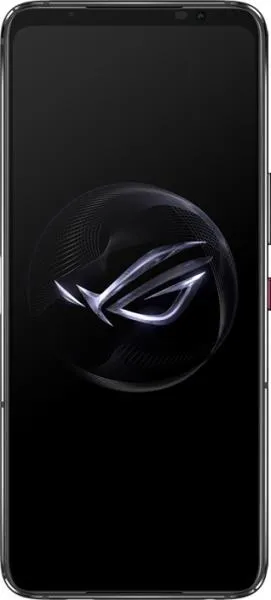
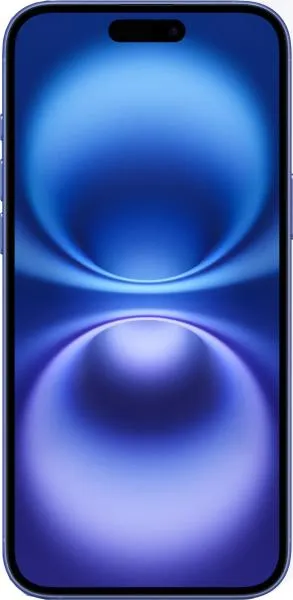
| Feature | Asus ROG Phone 7 | Apple iPhone 16 Plus | Practical Impact |
|---|---|---|---|
| Design | |||
| Dimensions (mm) | 173 x 77 x 10.3 | 160.9 x 77.8 x 7.8 | ROG Phone 7 is significantly thicker and heavier. iPhone 16 Plus offers better one-handed usability. |
| Weight (g) | 239 | 199 | ROG Phone 7's weight might be fatiguing during extended use. |
| Build Materials | Not specified | Not specified | Cannot compare build quality and durability. |
| Display | |||
| Display Size (inches) | 6.78 | 6.7 | Negligible difference in screen real estate. |
| Resolution (pixels) | 1080 x 2448 | 1290 x 2796 | iPhone 16 Plus has a sharper display with higher pixel density (460 ppi vs 395 ppi), resulting in clearer text and images. |
| Display Type | AMOLED, 165Hz | Super Retina XDR OLED | Both offer excellent color accuracy and contrast. ROG Phone 7's 165Hz refresh rate provides smoother animations and scrolling, especially beneficial for gaming. iPhone's peak brightness (2000 nits) is significantly higher, ensuring better visibility in direct sunlight. |
| Performance | |||
| Chipset | Snapdragon 8 Gen 2 | Apple A18 | Both are top-tier chipsets, offering excellent performance. Apple's A18, being a newer generation, is likely to have a performance edge. Real-world difference might be minimal for average users but noticeable for demanding tasks. |
| RAM (GB) | 12/16 | 8 | ROG Phone 7 offers more RAM, potentially enabling better multitasking and smoother performance with demanding applications. |
| OS | Android 13 | iOS 18 | Different operating systems cater to different user preferences and ecosystems. |
| Camera | |||
| Main Camera (MP) | 50 | 48 | Similar resolution; image quality will depend on sensor size, processing, and other factors not fully specified. |
| Ultrawide (MP) | 13 | 12 | Minor difference in resolution. iPhone's wider field of view (120°) is advantageous for landscape photography. |
| Other Cameras | Macro (5MP) | Macro functionality integrated into ultrawide lens | ROG Phone 7 dedicates a separate lens for macro photography. Practical differences need further analysis based on image quality samples. |
| Battery | |||
| Capacity (mAh) | 6000 | 4674 | ROG Phone 7 has significantly larger battery capacity, potentially leading to longer battery life. |
| Charging Speed | Not specified | Not specified | Cannot compare charging speeds. |
2. Key Differences Analysis
Asus ROG Phone 7 Advantages:
- Higher Refresh Rate Display: Smoother gaming and overall UI experience.
- Larger Battery: Potentially longer battery life.
- More RAM: Better multitasking and handling of demanding applications.
- Specialized Gaming Features: Likely includes additional software and hardware features optimized for gaming (not detailed in specs).
Apple iPhone 16 Plus Advantages:
- Sharper Display: Higher resolution and pixel density for clearer visuals.
- Higher Peak Brightness: Enhanced outdoor visibility.
- Likely Better Performance: Newer generation A18 Bionic chip.
- More Mature Software Ecosystem: iOS known for its stability and app optimization.
3. User Profiles & Recommendations
Asus ROG Phone 7: Ideal for mobile gamers and power users who prioritize performance and a high refresh rate display.
Apple iPhone 16 Plus: Suitable for users who prefer a premium, well-rounded smartphone experience with a sharp display, strong performance, and a mature software ecosystem. Good for users who value ease of use and integration within the Apple ecosystem.
4. Decision Framework
Key Questions for Buyers:
- What is your primary use case? (Gaming, general use, photography, etc.)
- What operating system do you prefer? (Android or iOS)
- What is your budget? (ROG Phone 7 is listed as "high price", iPhone 16 Plus as "medium price")
My Choice: Apple iPhone 16 Plus
While the ROG Phone 7 boasts impressive specs for gaming and power users, the iPhone 16 Plus offers a more balanced and polished overall experience that caters to a wider range of users. The sharper display, potentially superior performance of the A18 chip, higher peak brightness for outdoor use, and the mature iOS ecosystem are compelling advantages. Although the ROG Phone 7 has a larger battery, real-world battery life depends on various factors, and the iPhone's A18 chip efficiency could potentially offset the capacity difference. Ultimately, the iPhone 16 Plus aligns better with my personal preference for a seamless user experience and a robust app ecosystem. The slightly lower price point further strengthens its value proposition.
