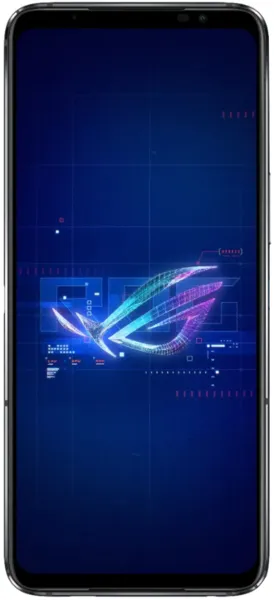
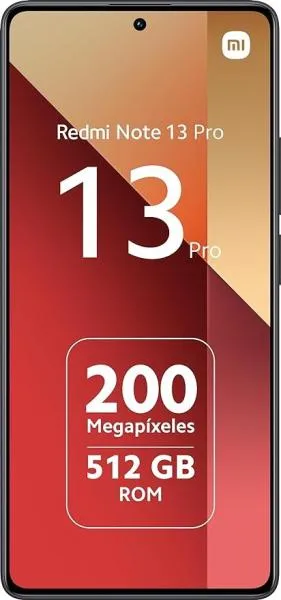
Asus ROG Phone 6 vs. Xiaomi Redmi Note 13 Pro 4G: A Deep Dive
The smartphone landscape is constantly evolving, with new contenders vying for your attention. Today, we'll dissect two distinct devices: the Asus ROG Phone 6, a gaming powerhouse, and the Xiaomi Redmi Note 13 Pro 4G, a mid-range all-rounder. Let's delve into their specifications and uncover what they offer in the real world.
1. Specifications Breakdown
| Feature | Asus ROG Phone 6 | Xiaomi Redmi Note 13 Pro 4G | Real-World Implications |
|---|---|---|---|
| Design | |||
| Dimensions (mm) | 173 x 77 x 10.3 | 161.1 x 75 x 8 | ROG Phone 6 is larger and heavier, impacting one-handed use. |
| Weight (g) | 239 | 188 | Redmi Note 13 Pro 4G is noticeably lighter for daily portability. |
| Display | |||
| Size (inches) | 6.78 | 6.67 | Both offer large, immersive displays. |
| Resolution (px) | 1080 x 2448 | 1080 x 2400 | Similar sharpness; negligible real-world difference. |
| Refresh Rate (Hz) | 165 | 120 | ROG Phone 6 delivers smoother scrolling and gaming. |
| Display Type | AMOLED, 1B colors | AMOLED, 1B colors | Both offer vibrant colors and deep blacks. |
| Peak Brightness | 1200 nits | 1300 nits | Redmi Note 13 Pro 4G might be slightly brighter outdoors. |
| Performance | |||
| Chipset | Snapdragon 8+ Gen 1 | Mediatek Helio G99 Ultra | ROG Phone 6 boasts significantly higher CPU and GPU performance. |
| CPU | Octa-core (3.19 GHz) | Octa-core (2.2 GHz) | ROG Phone 6 handles demanding tasks and multitasking with ease. |
| RAM (GB) | 12 | 8/12 | ROG Phone 6's 12GB RAM ensures smooth operation even under heavy load. Redmi offers options. |
| Camera | |||
| Main Camera (MP) | 50 | 200 | Redmi Note 13 Pro 4G boasts higher resolution, ROG Phone 6 likely uses a larger sensor. Real-world image quality comparison requires further analysis. |
| Video | Up to 8K@24fps | Up to 1080p@60fps | ROG Phone 6 offers superior video recording capabilities. |
| Battery Life | |||
| Capacity (mAh) | 6000 | 5000 | ROG Phone 6 likely offers longer battery life. |
| Charging | 65W Fast Charging | 67W Fast Charging | Redmi Note 13 Pro 4G charges slightly faster. |
| Price | High | Medium | ROG Phone 6 is considerably more expensive. |
2. Key Insights
The ROG Phone 6 is a performance beast, designed for demanding gamers and power users. Its Snapdragon 8+ Gen 1 chipset, high refresh rate display, and large battery deliver a premium mobile experience. The advanced cooling system and gaming-centric features further solidify its position as a top-tier gaming phone.
The Redmi Note 13 Pro 4G, on the other hand, focuses on providing excellent value for its price. While not as powerful as the ROG Phone 6, its Helio G99 Ultra chipset is capable of handling everyday tasks and even some light gaming. Its standout feature is the 200MP main camera, potentially offering impressive detail in photos.
3. User Profiles and Recommendations
ROG Phone 6: Ideal for mobile gamers, power users, and those who demand top-tier performance. If you prioritize smooth gameplay, fast multitasking, and a long-lasting battery, the ROG Phone 6 is a strong contender.
Redmi Note 13 Pro 4G: Best suited for budget-conscious users who prioritize a good camera, a vibrant display, and decent performance for everyday tasks. It's a solid choice for social media, web browsing, and casual photography.
4. Buying Decision Framework
- What is your primary use case? Gaming and heavy multitasking vs. everyday use and photography.
- What is your budget? The ROG Phone 6 commands a premium price, while the Redmi Note 13 Pro 4G offers better value.
- How important is raw performance? The Snapdragon 8+ Gen 1 in the ROG Phone 6 significantly outperforms the Helio G99 Ultra.
My Choice:
Personally, I would choose the Asus ROG Phone 6. While the Redmi Note 13 Pro 4G offers an attractive camera and a compelling price, my workflow demands raw performance and a smooth user experience. The ROG Phone 6's superior processor, higher refresh rate display, and larger battery align perfectly with my need for a responsive and powerful device that can handle demanding tasks and extended use without compromise. As a tech journalist who often tests resource-intensive apps and games, the ROG Phone 6's capabilities are invaluable. While the price difference is significant, the long-term benefits of a smoother, more powerful device outweigh the initial cost for my specific needs. I value the responsiveness and future-proofing that the Snapdragon 8+ Gen 1 provides. Furthermore, the dedicated gaming features, though I might not utilize them heavily, demonstrate Asus' commitment to optimizing the device for peak performance, a characteristic I deeply appreciate.
