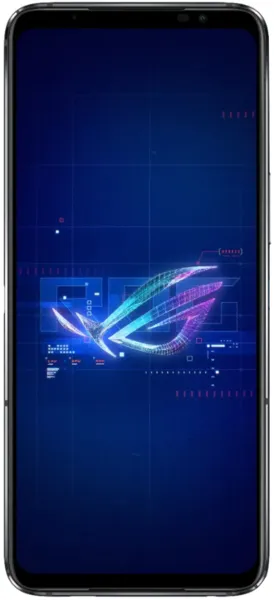
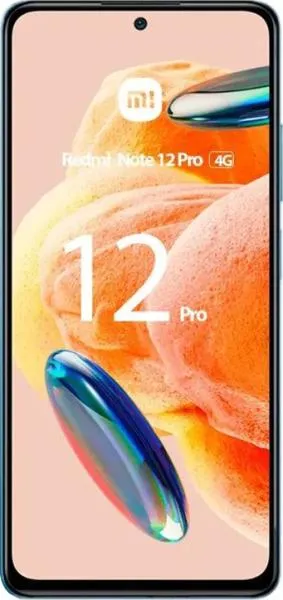
Asus ROG Phone 6 vs. Xiaomi Redmi Note 12 Pro 4G: A Deep Dive
Let's dissect the Asus ROG Phone 6 and the Xiaomi Redmi Note 12 Pro 4G, two phones targeting distinct user segments. We'll go beyond the spec sheet to uncover what these devices offer in real-world usage.
1. Specifications Breakdown
| Feature | Asus ROG Phone 6 | Xiaomi Redmi Note 12 Pro 4G | Real-World Implications |
|---|---|---|---|
| Design | |||
| Dimensions (mm) | 173 x 77 x 10.3 | 164.2 x 76.1 x 8.1 | ROG Phone 6 is larger and thicker, likely due to its enhanced cooling system. |
| Weight (g) | 239 | 201.8 | ROG Phone 6 is noticeably heavier, potentially impacting one-handed use. |
| Display | |||
| Size (inches) | 6.78 | 6.67 | Both offer large, immersive displays. |
| Type | AMOLED, 165Hz | AMOLED, 120Hz | ROG Phone 6 has a smoother, more responsive display, especially noticeable in gaming. |
| Resolution (px) | 1080 x 2448 | 1080 x 2400 | Virtually identical sharpness. |
| Performance | |||
| Chipset | Snapdragon 8+ Gen 1 | Snapdragon 732G | ROG Phone 6 offers significantly faster processing and graphics performance. |
| CPU | Octa-core (up to 3.19 GHz Cortex-X2) | Octa-core (up to 2.2 GHz Kryo 470) | ROG Phone 6 handles demanding tasks and multitasking with ease. Redmi Note 12 Pro is sufficient for daily use. |
| RAM (GB) | 12 | 8 | ROG Phone 6 enables smoother multitasking and handling of memory-intensive applications. |
| Camera | |||
| Main Camera (MP) | 50 MP, Sony IMX766 | 108 MP, Samsung S5KHM2 | Redmi Note 12 Pro boasts higher resolution, but sensor quality and image processing matter more. |
| Battery Life | |||
| Capacity (mAh) | 6000 | 5020 | ROG Phone 6 likely offers longer battery life due to its larger capacity. |
| Charging | 65W Fast Charging | 67W Fast Charging | Similar charging speeds. |
2. Key Insights
The ROG Phone 6 is a powerhouse built for demanding users, particularly mobile gamers. Its superior processor, high refresh rate display, and advanced cooling ensure top-tier performance. The larger battery provides extended playtime. However, its size and weight might be a drawback for some.
The Redmi Note 12 Pro 4G focuses on providing a well-rounded experience at a more affordable price. While not as powerful as the ROG Phone 6, it offers a vibrant AMOLED display, decent performance for everyday tasks, and a high-resolution main camera.
3. User Profiles and Recommendations
ROG Phone 6: Ideal for mobile gamers, power users, and anyone who demands top-tier performance and a smooth, responsive experience. Content creators who need a device for on-the-go editing will also appreciate its raw power.
Redmi Note 12 Pro 4G: Suitable for users seeking a balance of features, performance, and affordability. It's a good choice for social media enthusiasts, casual photographers, and those who prioritize a vibrant display and all-day battery life.
4. Buying Decision Framework
Questions to Consider:
- What is your primary use case? (Gaming, content creation, social media, general use)
- What is your budget? (High-end vs. mid-range)
- How important is portability and one-handed use?
Scenario-Based Recommendations:
- Hardcore Gamer: ROG Phone 6 is the clear winner.
- Budget-Conscious User: Redmi Note 12 Pro 4G offers excellent value.
- All-Around User with a Focus on Performance: Consider the ROG Phone 6 if budget allows; otherwise, the Redmi Note 12 Pro 4G is a solid choice.
My Choice: Asus ROG Phone 6
As a tech journalist with an engineering background, I gravitate towards cutting-edge technology that pushes boundaries. The ROG Phone 6's sheer power, combined with its 165Hz AMOLED display and gamer-centric features, makes it incredibly appealing. While the size and weight are considerations, the performance gains and overall experience justify the trade-off for me. I value a fluid, responsive interface, and the ROG Phone 6 delivers that in spades. Plus, the robust battery ensures I can stay productive throughout the day. While the Redmi Note 12 Pro 4G is a compelling device for its price, the ROG Phone 6 better aligns with my personal needs and preferences for a high-performance, feature-rich smartphone.
