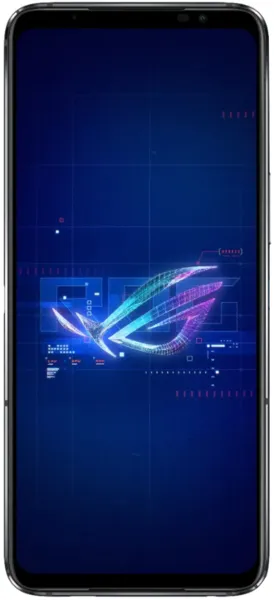
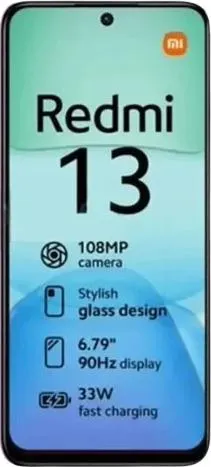
Asus ROG Phone 6 vs. Xiaomi Redmi 13: A Deep Dive for the Discerning User
The smartphone landscape is a battlefield, and today we're pitting two contenders against each other: the gaming-focused Asus ROG Phone 6 and the budget-friendly Xiaomi Redmi 13. Let's dissect their specs and uncover what they truly offer.
1. Specifications Breakdown
| Feature | Asus ROG Phone 6 | Xiaomi Redmi 13 | Real-World Implications |
|---|---|---|---|
| Design | |||
| Dimensions (mm) | 173 x 77 x 10.3 | 168.6 x 76.3 x 8.3 | ROG Phone 6 is larger and thicker, reflecting its gaming focus and larger battery. Redmi 13 prioritizes portability. |
| Weight (g) | 239 | 205 | Redmi 13 is noticeably lighter, ideal for one-handed use. ROG Phone 6's weight hints at premium materials and robust construction. |
| Display | |||
| Type | AMOLED, 165Hz, HDR10+ | IPS LCD, 90Hz | ROG Phone 6 offers vibrant colors, deeper blacks, and smoother motion thanks to AMOLED and higher refresh rate. Redmi 13 is less visually impressive. |
| Size (inches) | 6.78 | 6.79 | Virtually identical screen real estate. |
| Resolution | 1080 x 2448 | 1080 x 2460 | Comparable sharpness; differences are negligible in daily use. |
| Performance | |||
| Chipset | Snapdragon 8+ Gen 1 (4nm) | Helio G91 Ultra (12nm) | ROG Phone 6 boasts significantly superior processing power, enabling demanding gaming and multitasking. Redmi 13 targets everyday tasks. |
| CPU | Octa-core (up to 3.19 GHz) | Octa-core (up to 2.0 GHz) | ROG Phone 6's faster CPU delivers snappier performance across the board. |
| GPU | Adreno 730 | Mali-G52 MC2 | ROG Phone 6's Adreno 730 significantly outperforms Redmi 13's GPU in gaming and graphics-intensive applications. |
| RAM | 12GB | 6/8GB | More RAM on ROG Phone 6 ensures smoother multitasking and better performance with demanding apps. |
| Camera | |||
| Main | 50MP Sony IMX766 | 108MP ISOCELL | While Redmi 13 has higher megapixels, sensor quality (Sony IMX766) often matters more, favoring ROG Phone 6 for image quality. |
| Video | Up to 8K@24fps | Up to 1080p@30fps | ROG Phone 6 offers vastly superior video recording capabilities. |
| Battery Life | |||
| Capacity (mAh) | 6000 | 5030 | ROG Phone 6 packs a larger battery, promising longer endurance. |
| Charging | 65W Fast Charging | 33W Fast Charging | ROG Phone 6 charges significantly faster. |
2. Key Insights
- Performance Powerhouse: The ROG Phone 6 is a beast, built for demanding gamers and power users. Its Snapdragon 8+ Gen 1 chip, ample RAM, and high refresh rate display deliver a premium experience.
- Budget-Conscious Contender: The Redmi 13 caters to budget-conscious users who prioritize affordability. It offers decent performance for everyday tasks but compromises on gaming prowess and display quality.
- Camera Considerations: Megapixel count isn't everything. The ROG Phone 6's Sony IMX766 sensor likely trumps the Redmi 13's 108MP sensor in overall image quality due to superior sensor technology.
- Battery Champions: Both phones offer large batteries, but the ROG Phone 6's 6000mAh capacity and faster 65W charging give it a clear edge.
3. User Profiles and Recommendations
- ROG Phone 6: Ideal for mobile gamers, power users, and anyone who demands top-tier performance and a premium mobile experience. Content creators will also appreciate the superior video recording capabilities.
- Redmi 13: Suitable for budget-conscious users who primarily use their phones for social media, browsing, communication, and light tasks. It's a good option for those seeking value without breaking the bank.
4. Buying Decision Framework
- What's your budget? The ROG Phone 6 sits in a high price bracket, while the Redmi 13 is significantly more affordable.
- What are your primary use cases? Hardcore gaming and demanding tasks? ROG Phone 6. Casual use and basic needs? Redmi 13.
- How important is battery life and charging speed? The ROG Phone 6 offers a clear advantage in this department.
My Choice: As a tech journalist with a passion for performance and cutting-edge technology, I'd choose the Asus ROG Phone 6. While the Redmi 13 offers excellent value, the ROG Phone 6's superior processing power, stunning display, and advanced features align perfectly with my needs and preferences. The ability to effortlessly handle demanding tasks, enjoy immersive gaming experiences, and capture high-quality video content outweighs the price premium for me. The faster charging is also a huge bonus in my fast-paced life.
